
Evidence & resources
Evidence for your study
Explore model characterization, efficacy and safety results, technical guides and peer-reviewed research—organized by organ, modality, study purpose and evidence source.
Find relevant cases, model characterization and technical resources by project goal, organ or content type.
Showing 9 of 26 resources
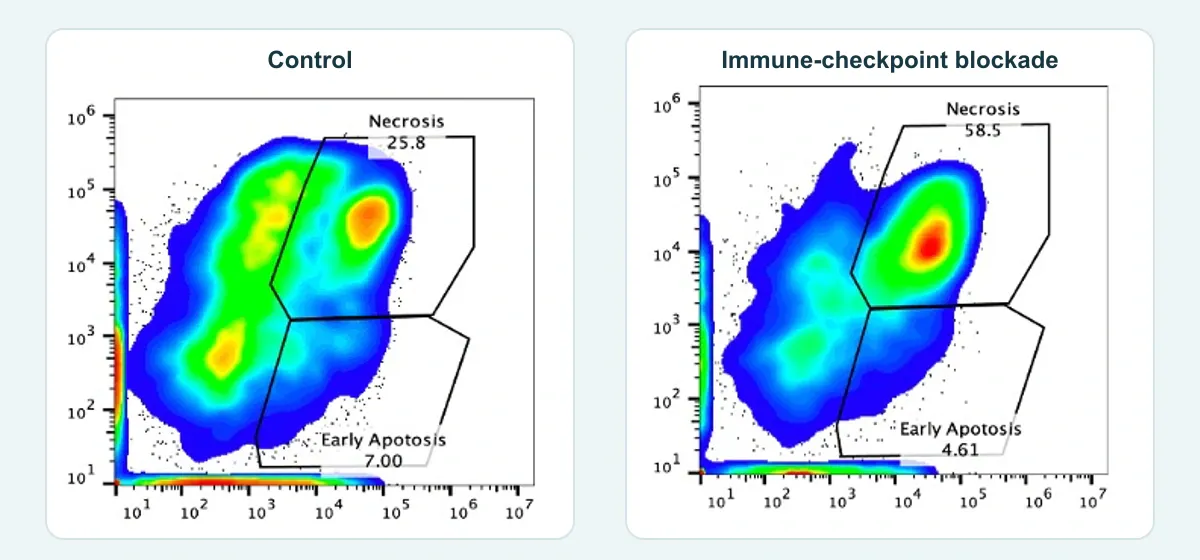
PDO 2.0 tumor–immune response
TRiCBIO PDO 2.0 studies in clear-cell renal cell carcinoma (ccRCC) and non-small-cell lung cancer (NSCLC) combine tissue identity, immune baseline and treatment-response readouts to guide immuno-oncology study design.
Explore the study data ↗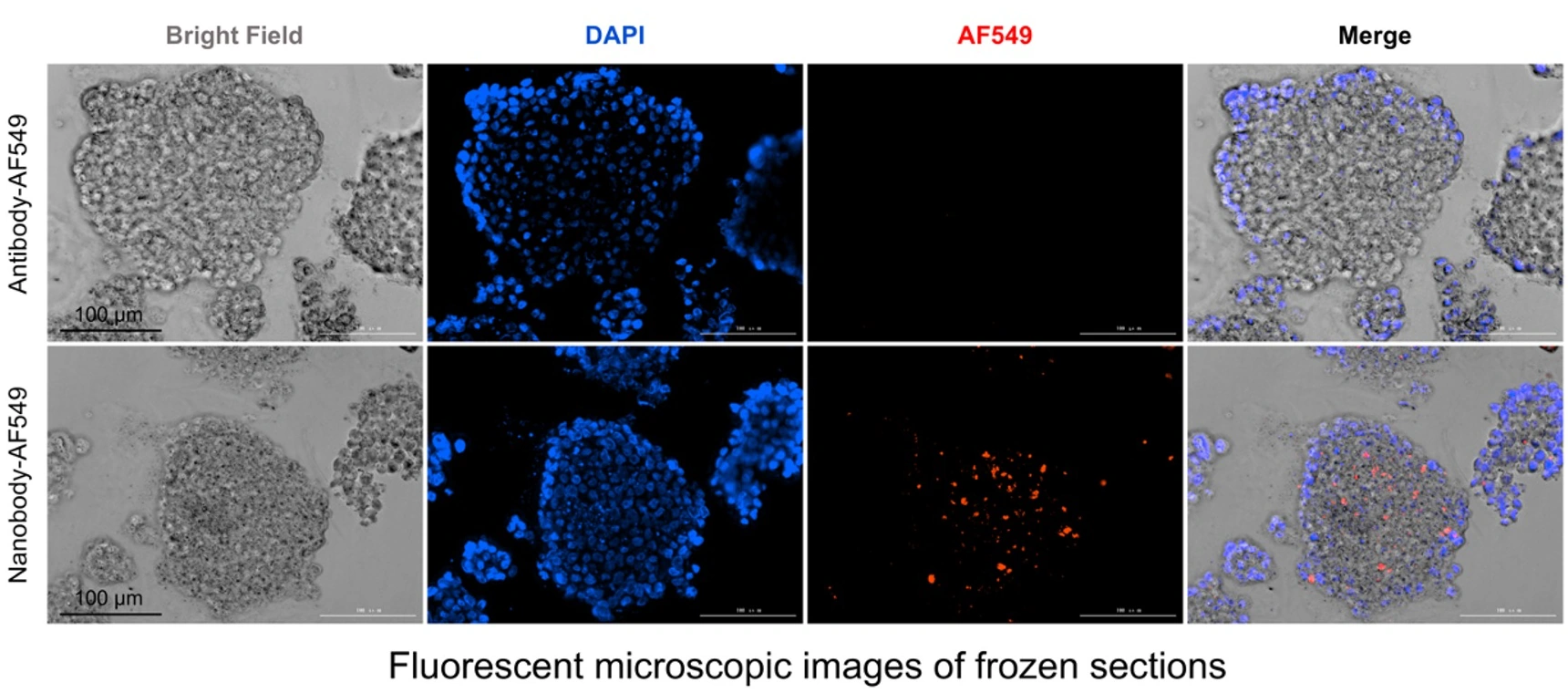
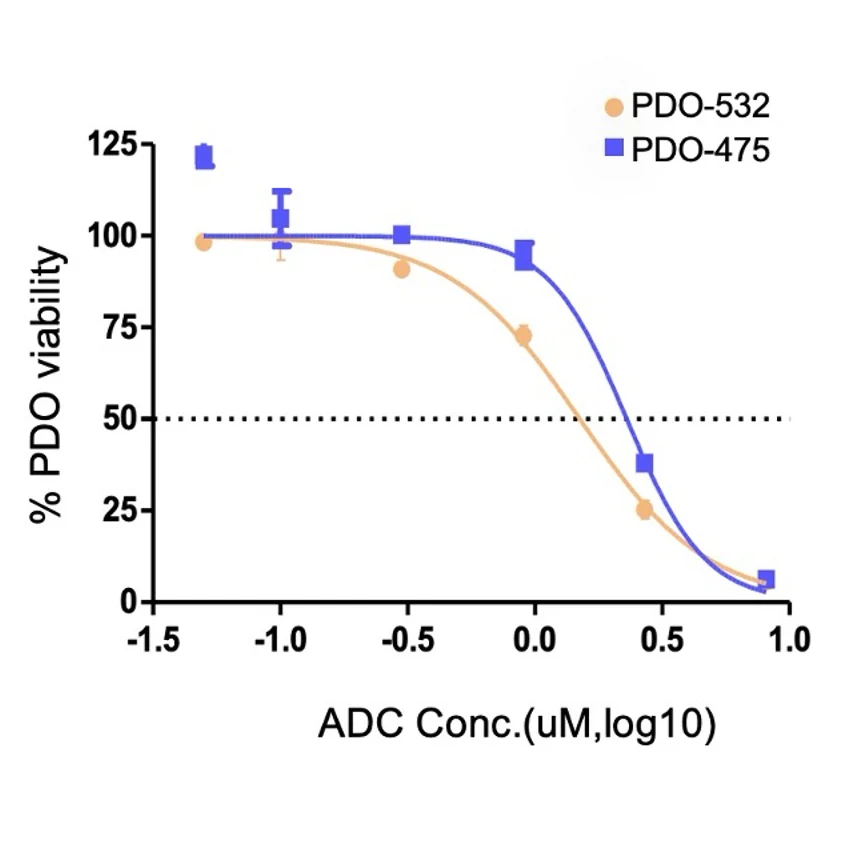
ADC distribution & response in breast PDOs
Two breast PDO studies pair antibody/nanobody distribution with ADC-associated morphology and viability to guide imaging, dose design and efficacy comparisons.
Explore the study data ↗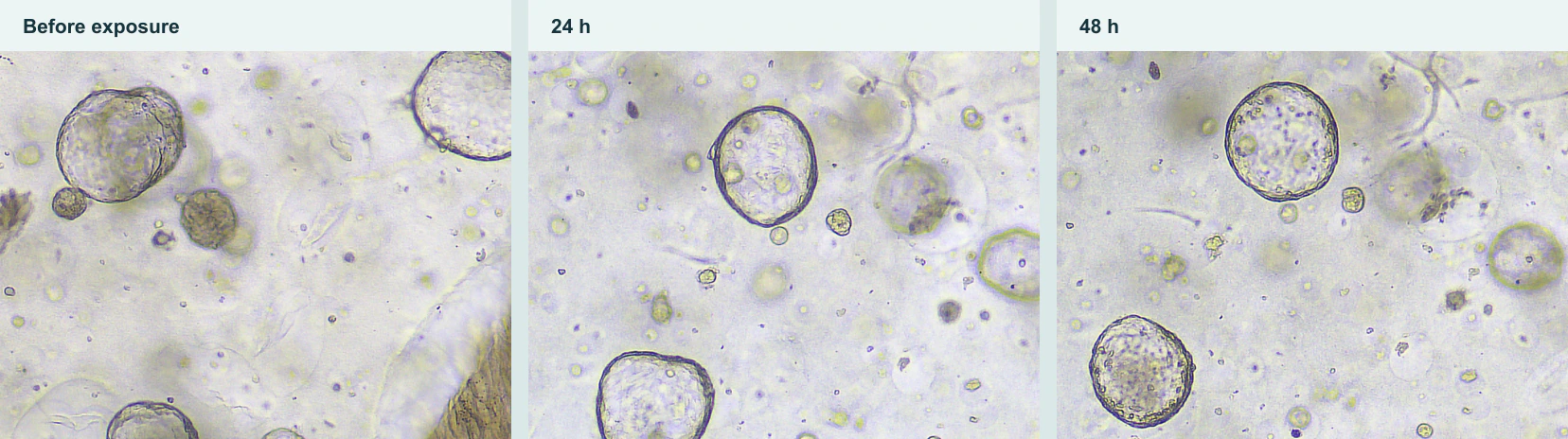
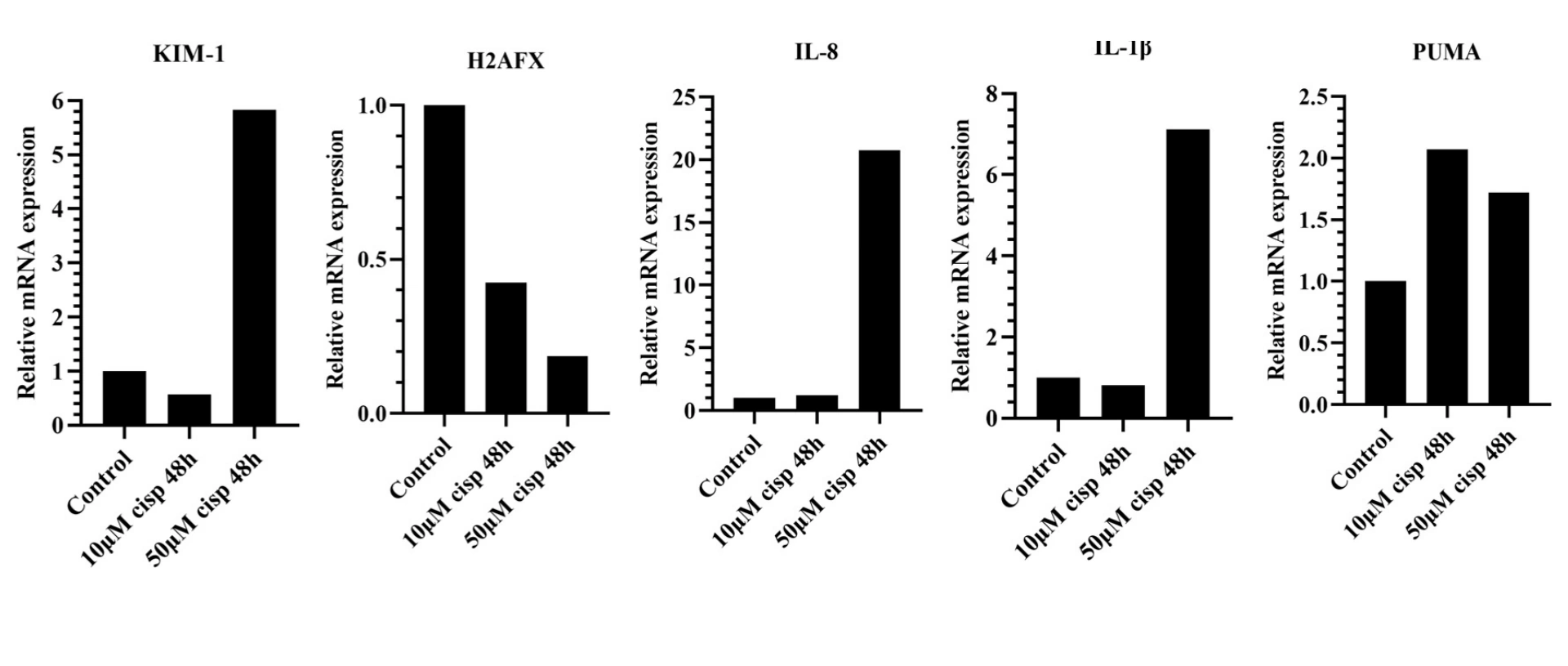
Kidney organoids for safety and injury research
Explore kidney identity, molecular injury markers and morphology over time through cisplatin and doxorubicin studies.
Explore the case and results ↗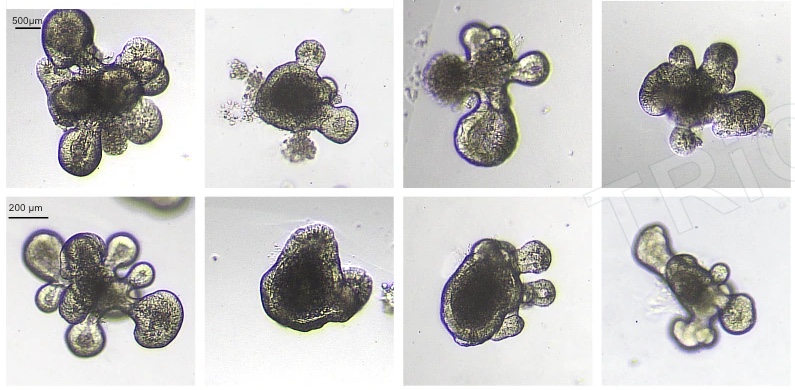
IBD organoid inflammation & barrier assays
Support inflammatory bowel disease (IBD) study design with mouse intestinal organoid budding, FITC-Dextran permeability and F-actin/ZO-1 junction structure; human IBD studies are tailored to the sample and goal.
View model characterization ↗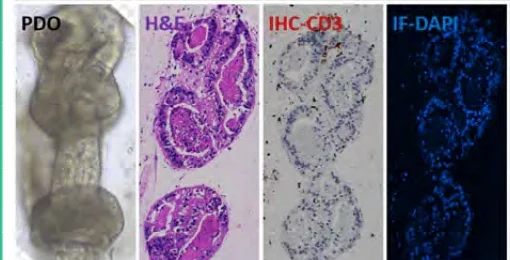
Colorectal cancer PDO 2.0: tissue & immune profiling
Source-tissue and PDO histology are compared with CD3, CD20, Pan-CK and Ki67 readouts to establish tissue and immune context for the study.
Explore the case and results ↗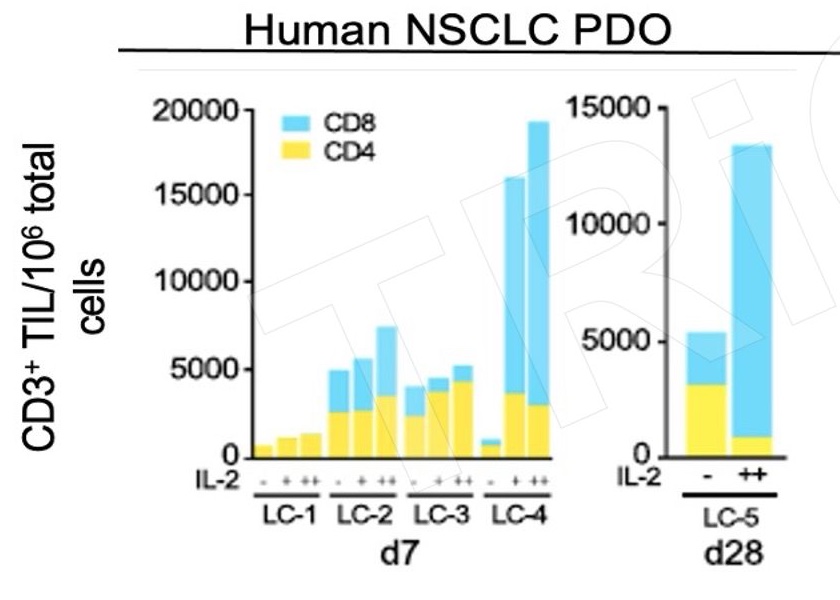
NSCLC PDO 2.0: immune baseline & IL-2 comparison
Compare CD4/CD8 tumor-infiltrating lymphocyte (TIL) counts across non-small-cell lung cancer (NSCLC) PDO 2.0 samples and IL-2 conditions to characterize immune baseline and inform subsequent assay design.
Explore the case and results ↗How an organoid project discussion begins
Share the study objective and candidate or sample context so the scientific team can identify suitable models, assays and a first study plan.
See how projects start ↗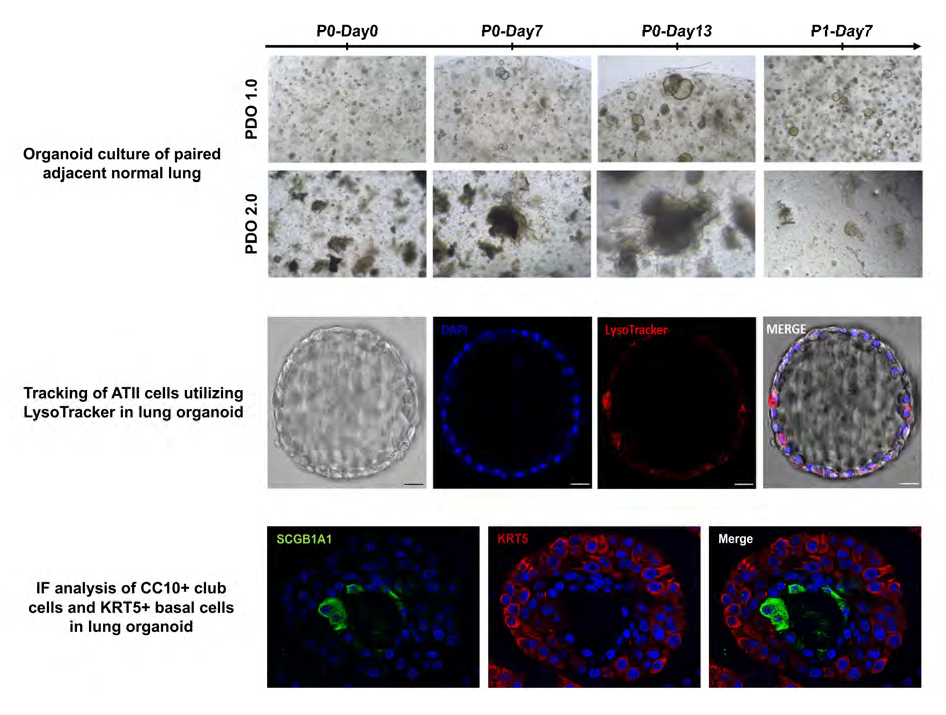
Normal lung organoids: identity and LPS injury
ATII and SCGB1A1/KRT5 profiling, serial morphology, and AT1/AT2 changes after LPS exposure together guide pulmonary-injury model selection, observation timing and endpoint design.
View model characterization ↗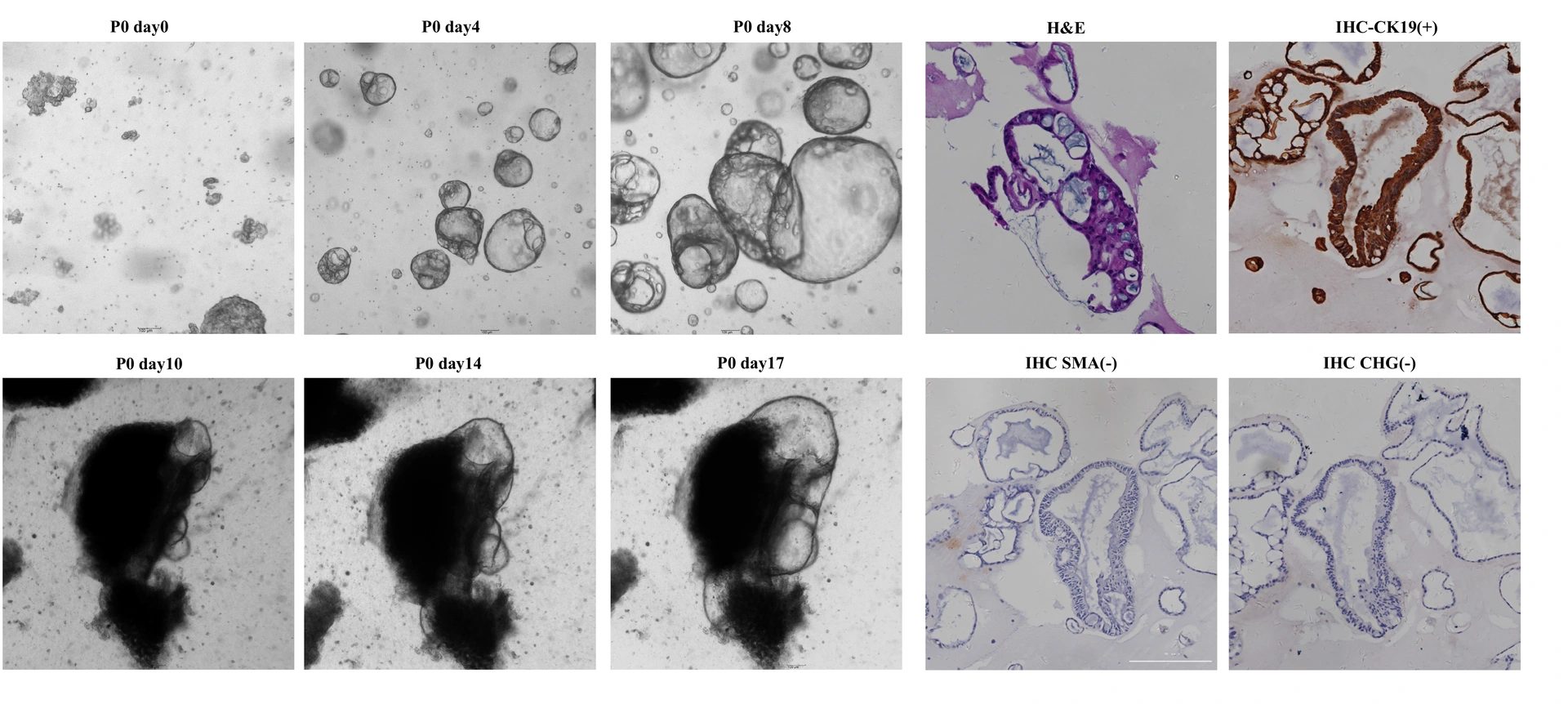
Adjacent non-tumor liver organoids
Serial culture and H&E show tissue morphology; the CK19-positive, SMA-negative panel adds epithelial identity to the model profile.
View model characterization ↗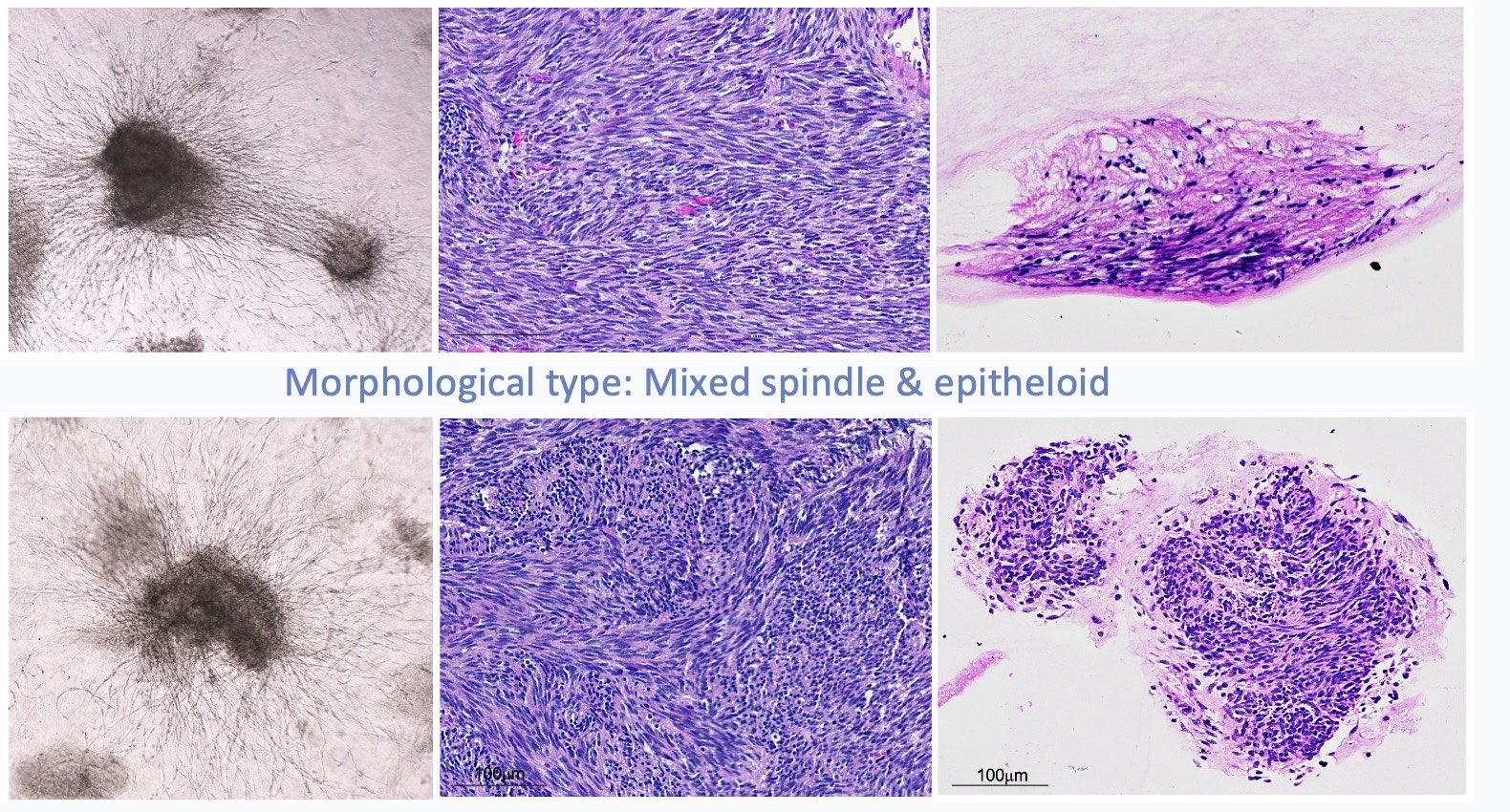
Mesenchymal tumor organoid development
Source-tissue H&E, organoid bright-field and organoid histology provide a pathology-informed basis for QC and custom culture design in mesenchymal tumors.
Explore the case and results ↗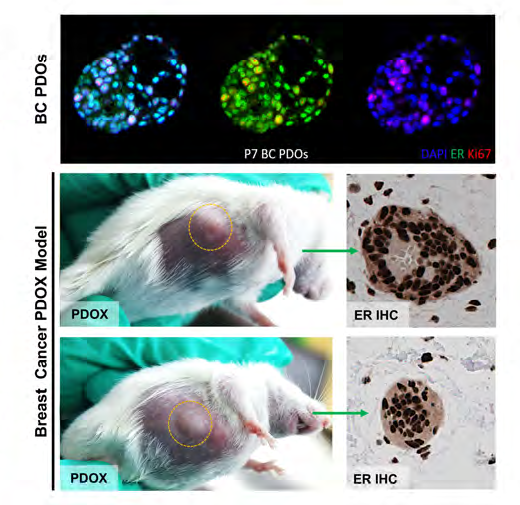
PDOX: organoid-to-in vivo validation
Define when a PDO program should extend into PDOX and how model identity, in vivo growth, histology and efficacy are evaluated together.
Read the application note ↗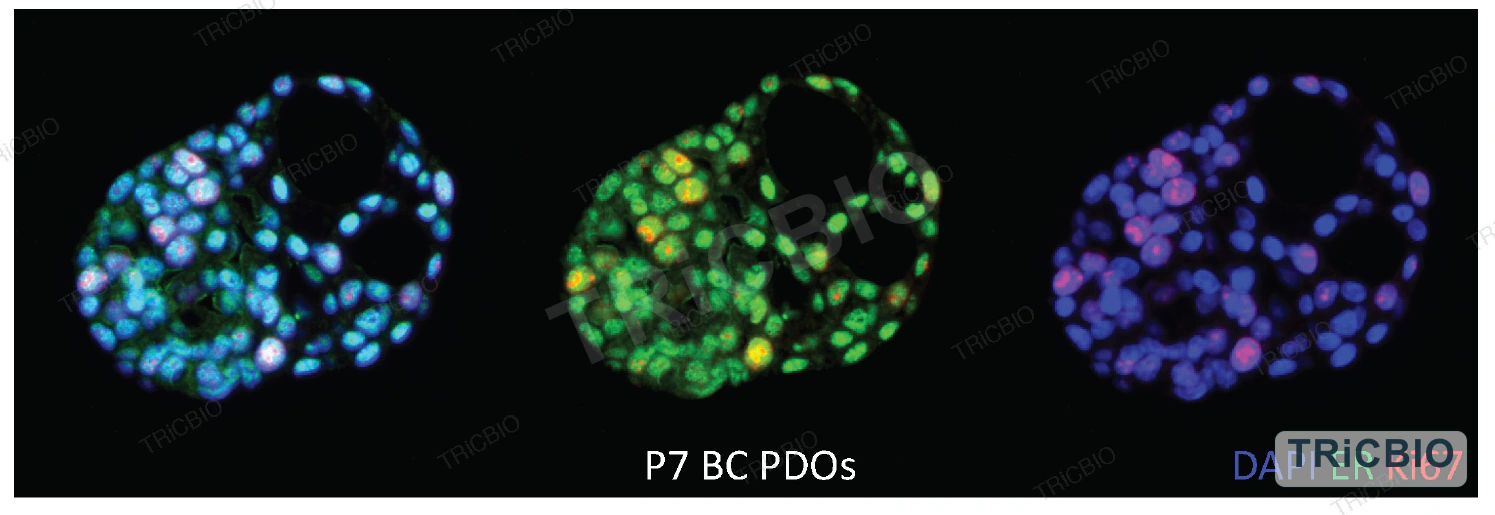
Breast cancer PDO: phenotype & tissue identity
Assess ER and Ki67 phenotypes alongside source-tissue/PDO histology to establish model identity and select efficacy endpoints.
Explore the case and results ↗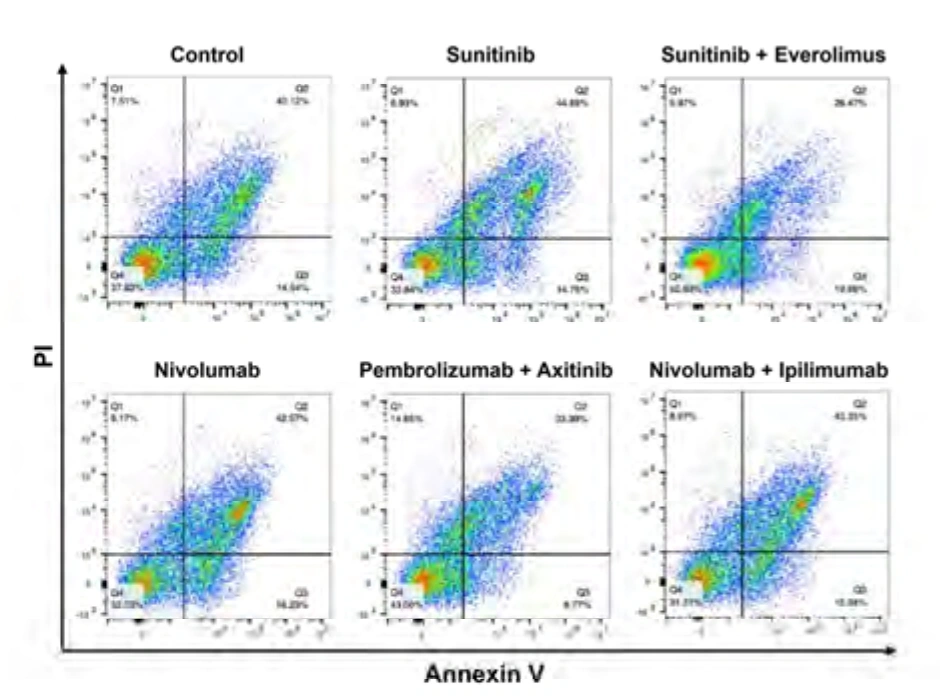
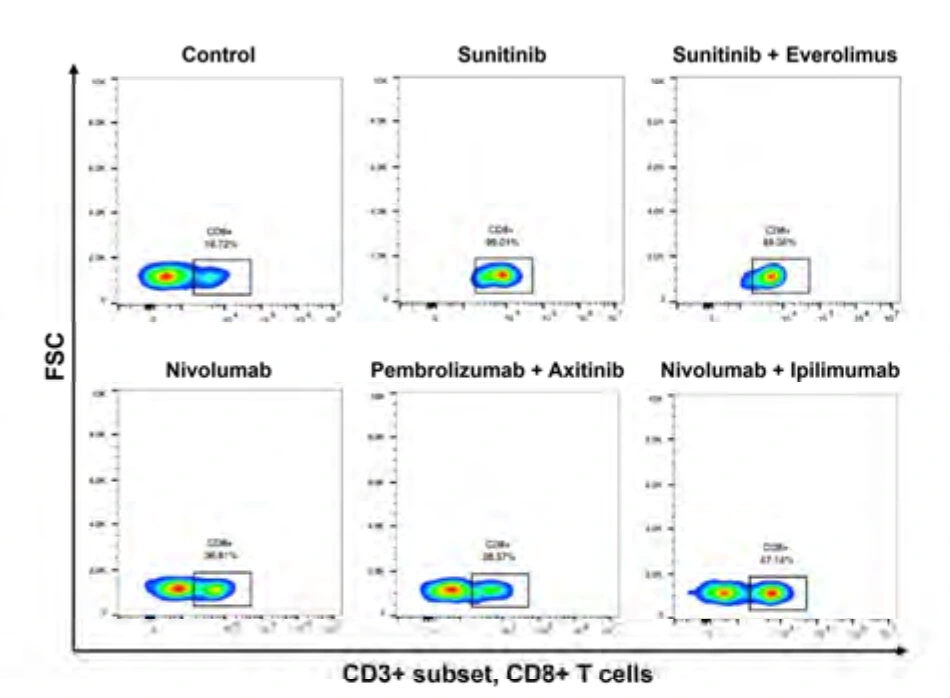
Renal cancer PDO 2.0: apoptosis & immune response
Source-tissue/PDO histology establishes model context; Annexin V/PI and CD3/CD8 flow compare apoptosis and immune change across treatment conditions.
Explore the case and results ↗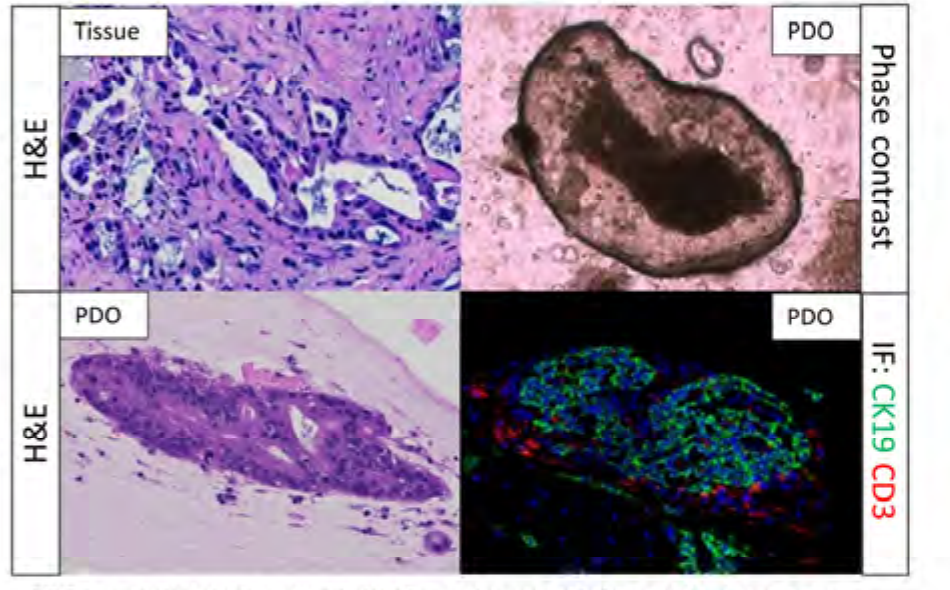
PDAC PDO 2.0: epithelial identity & immune readouts
Compare source-tissue and PDO histology with CK19/CD3 immunofluorescence and CD3/CD8/CD107a flow to assess epithelial identity and immune readouts.
Explore the case and results ↗PDO 1.0 vs PDO 2.0: choosing a culture system
Compare the biology each culture system can preserve and measure, then select or combine them around mechanism, endpoints and sample context.
See decision logic and use cases ↗ALI-PDO guide: principles & study design
A practical guide to ALI-PDO principles, applications, sample requirements, assay design and project planning.
See decision logic and use cases ↗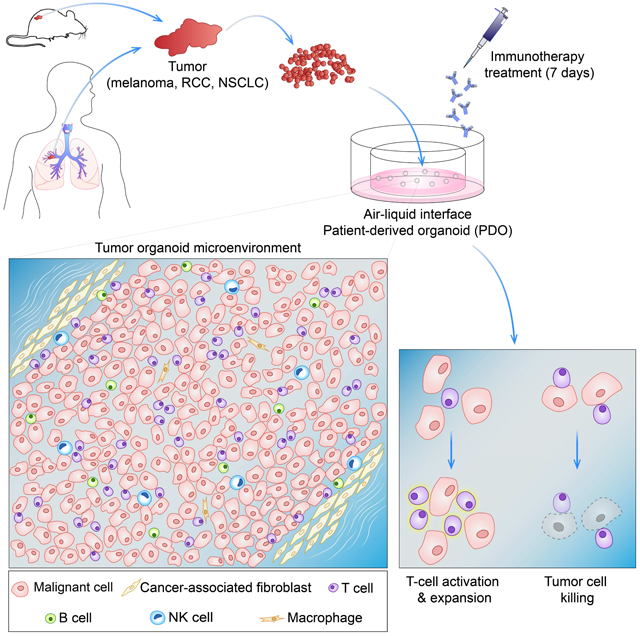 ORIGINAL GRAPHICAL ABSTRACT
Cell 2018: ALI tumor-immune organoids
Explore the ALI method, tumor–immune findings and key figures that underpin PDO 2.0 study design.
Explore the study and key figures ↗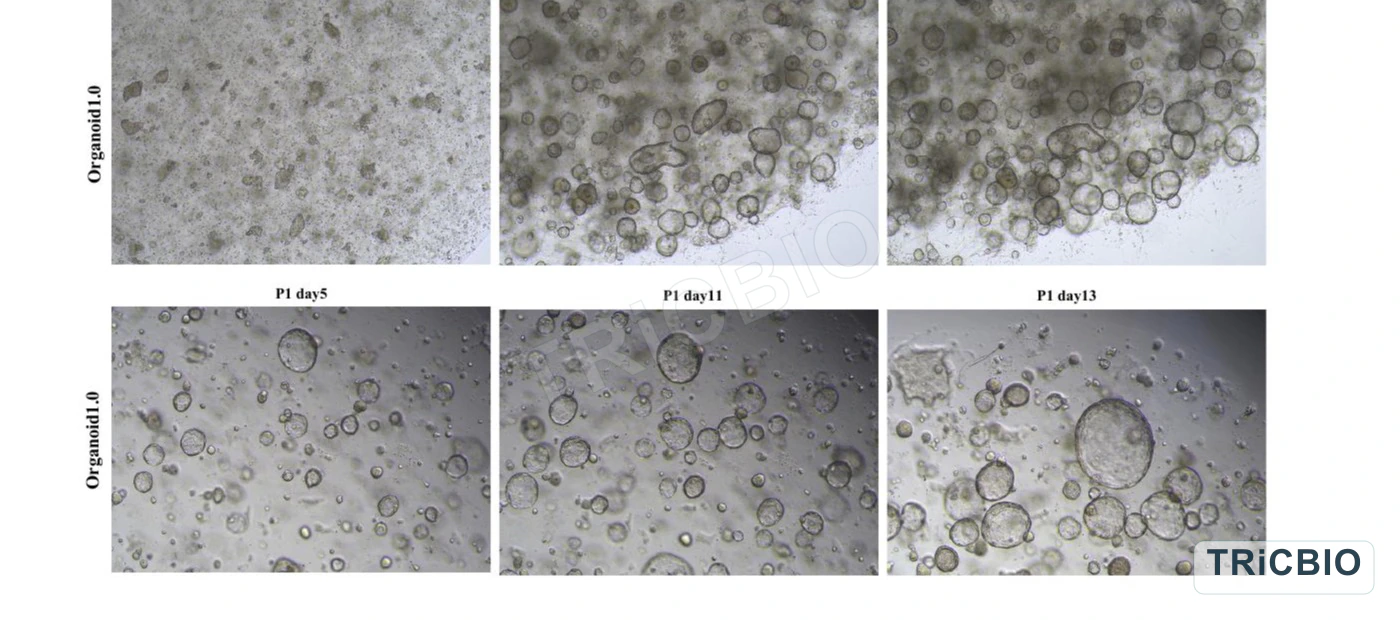
Endometrial organoid profiling
Evaluate primary establishment and passage with H&E, E-cadherin and Ki67, plus ER, PR and FOXO1 profiling, to assess identity and stage-dependent change.
View model characterization ↗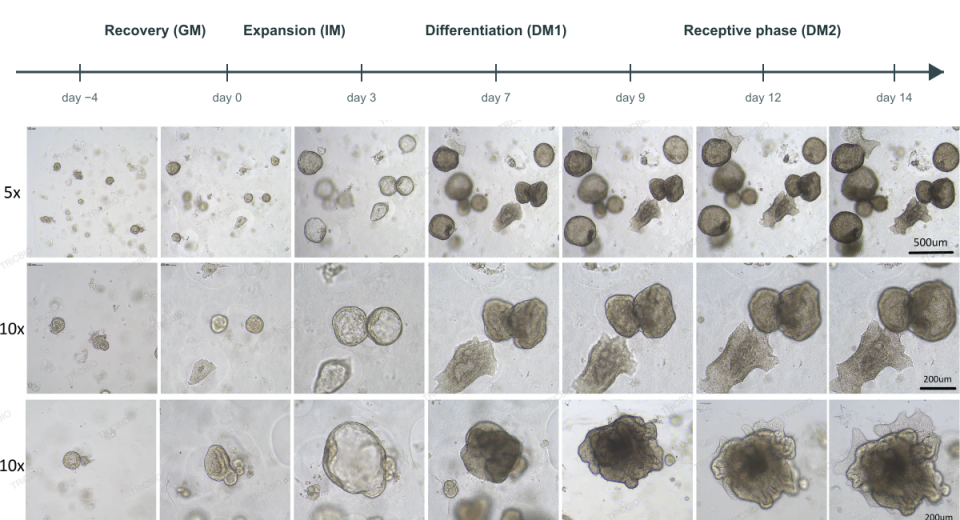
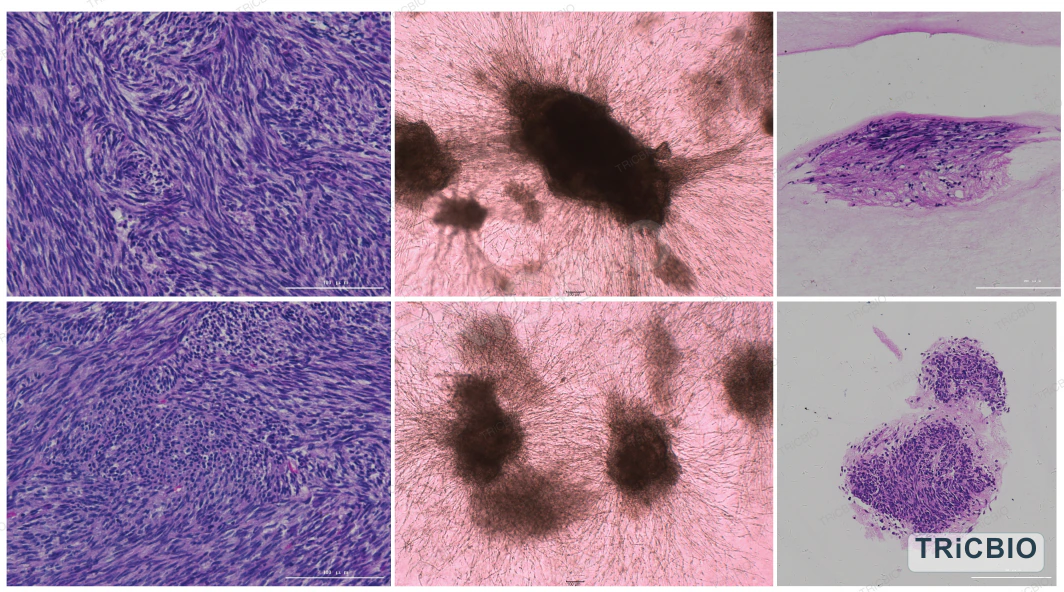
Multi-organoid culture and tissue comparison
Culture, histology and passaging studies across organ systems show serial growth and morphological correspondence with source tissue.
Explore the case and results ↗Choosing among organoid, 2D and PDX models
Compare 2D, organoid and PDX models by biological context, timing and throughput to choose the system that best fits the program goal.
See decision logic and use cases ↗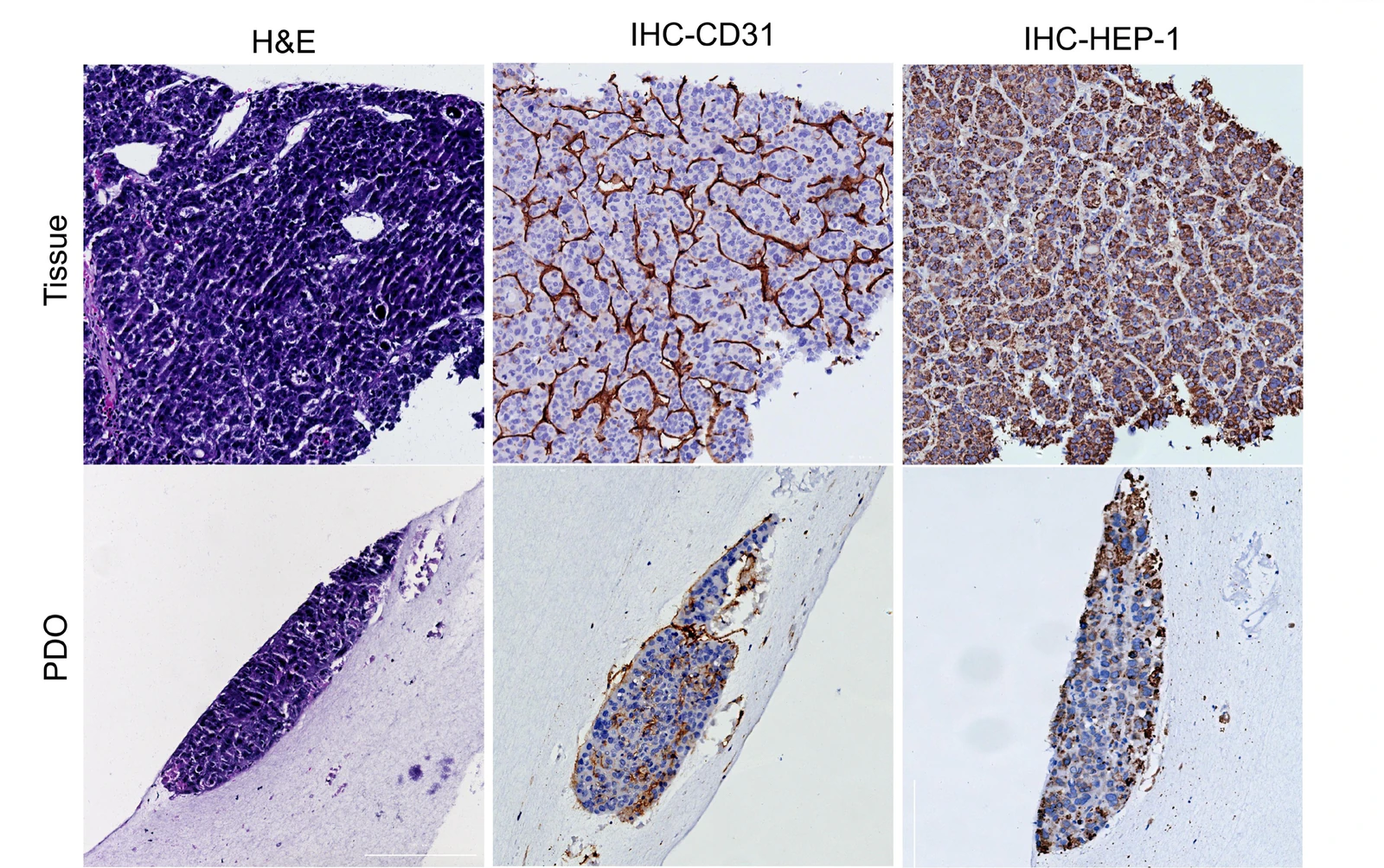
HCC PDO and PDO 2.0: culture format and tissue identity
HCC PDO and PDO 2.0 studies combine culture morphology, tissue comparison and lineage-marker profiling to guide efficacy and mechanism endpoints.
Explore the case and results ↗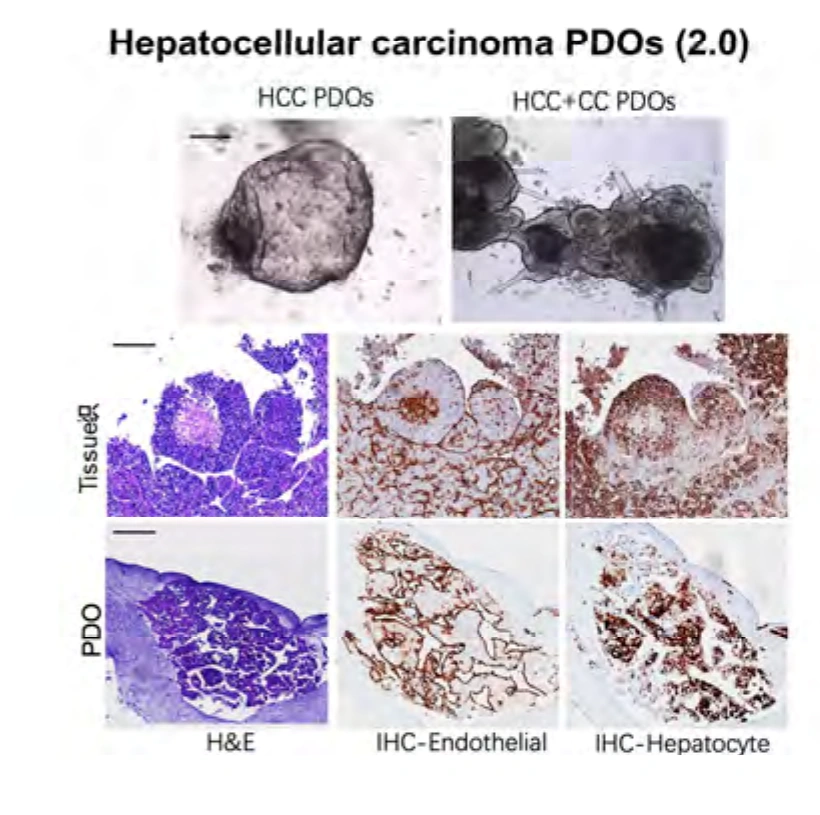
Liver cancer PDO 2.0: morphology and tissue identity
HCC- and HCC+CC-derived models pair culture morphology, H&E and lineage-related IHC to guide efficacy and mechanism endpoints.
View model characterization ↗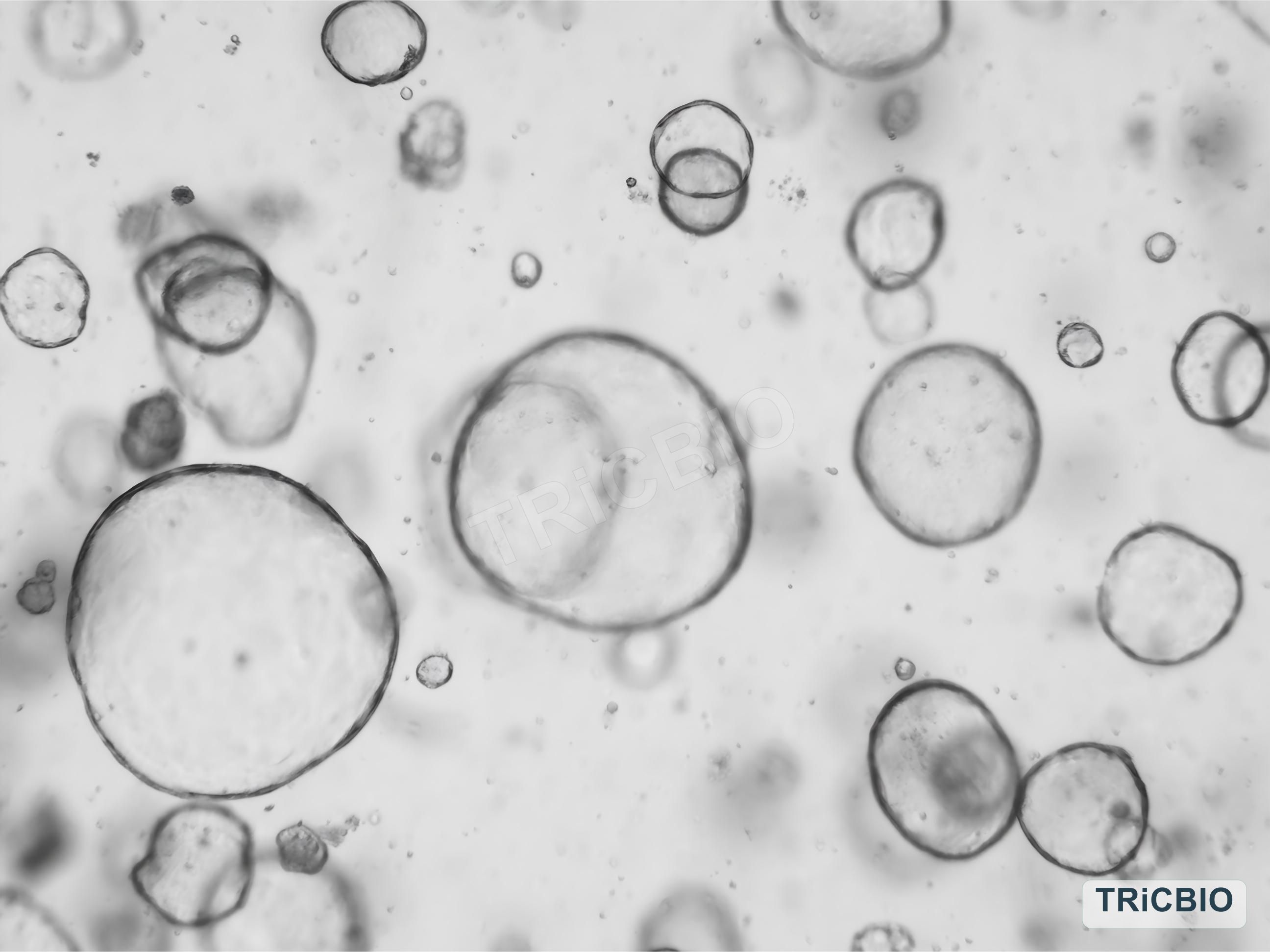
Normal gastric organoids: culture & histology
P0–P2 culture, H&E, Ki67 and mucin-associated immunofluorescence show growth across passages and epithelial features.
View model characterization ↗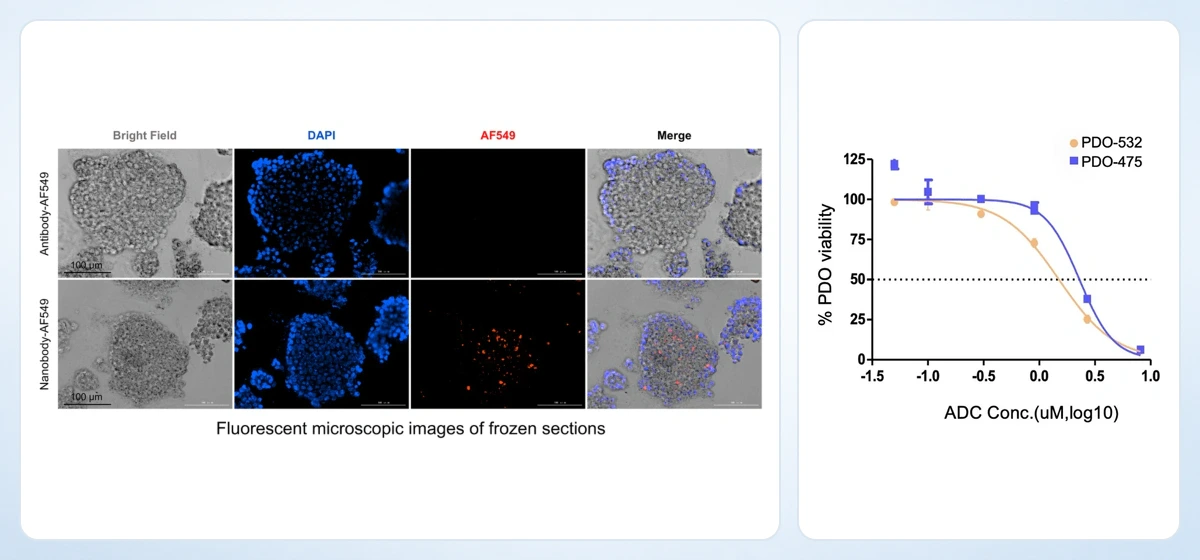
Designing ADC organoid studies: distribution to efficacy
Plan ADC distribution imaging and efficacy readouts, with optional whole-organoid imaging or quantitative penetration analysis.
Read the application note ↗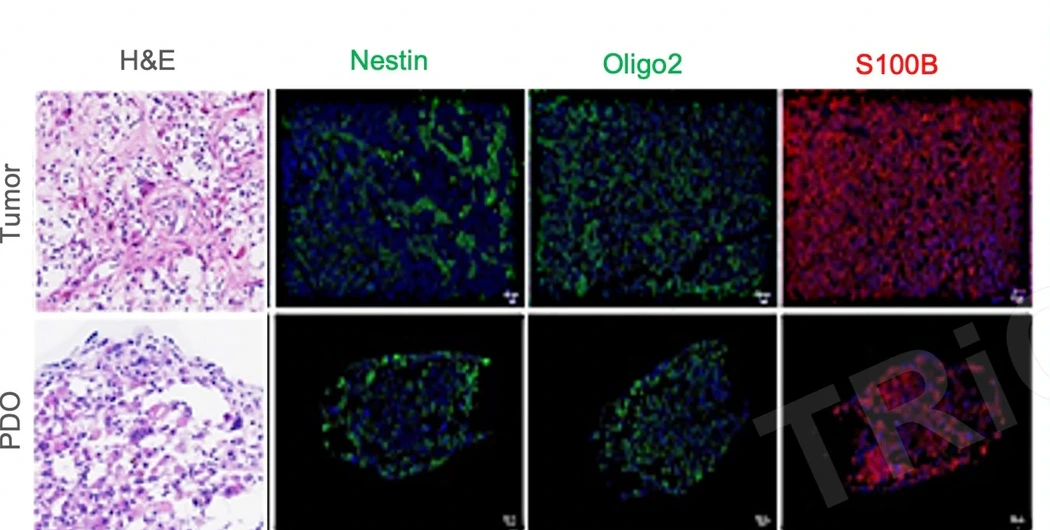
Glioma PDO 2.0: tissue, lineage and functional profiling
Explore glioma PDO 2.0 through histology, lineage markers, CD31 and treatment-response studies.
Explore the case and results ↗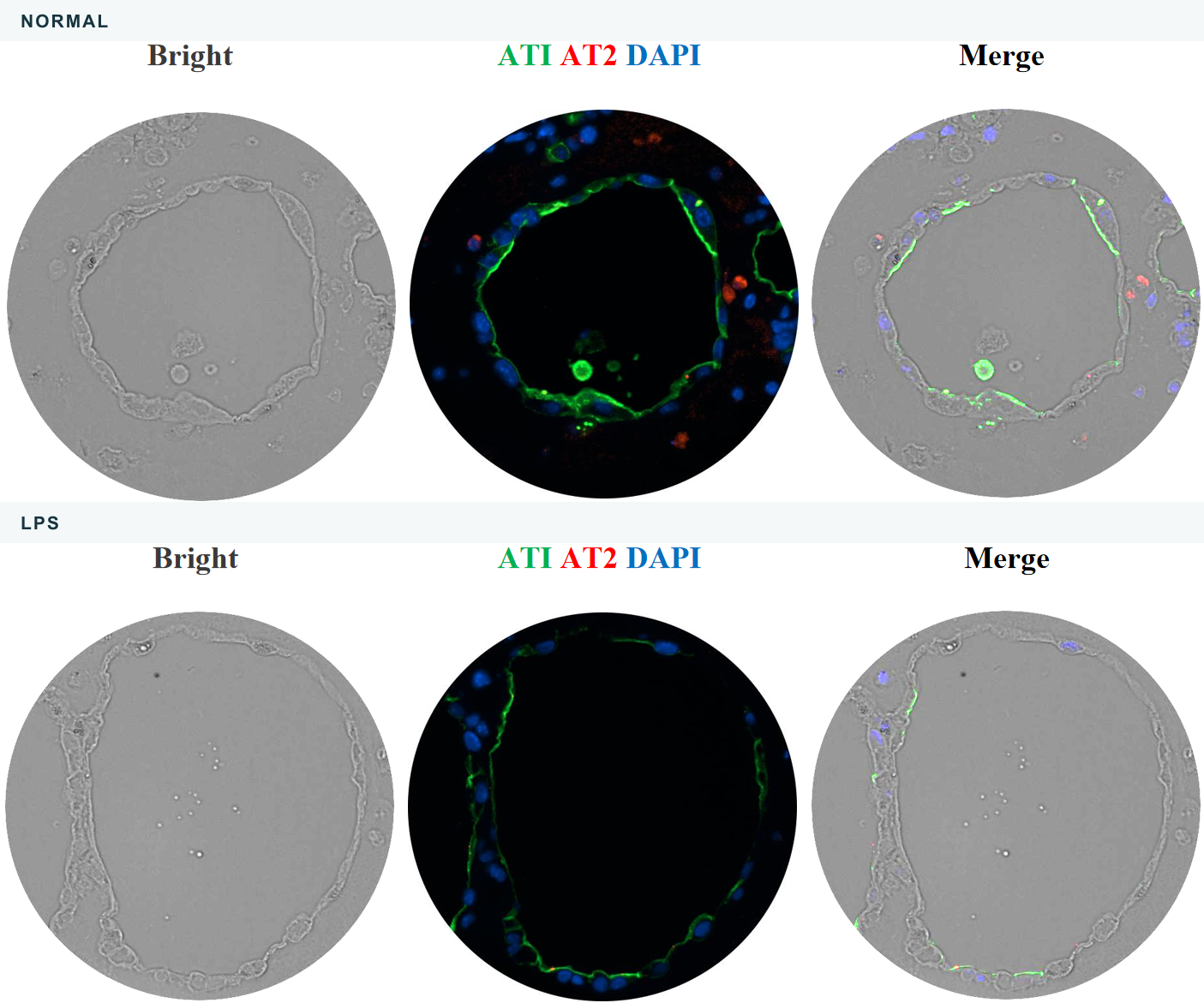
Normal lung and kidney evidence for safety studies
Plan a coordinated lung and kidney safety study using organ-specific injury evidence, identity QC and readouts tailored to one candidate program.
Read the application note ↗Continue with more case studies, research resources and project guides.
Match the model, assays and study to your objective
Tell us about the candidate, sample conditions and key research question. Our scientists will recommend the models, assays and study approach that best fit the project.