
Move a drug program forward
Compare candidates, doses and combinations across efficacy, safety, mechanism and biomarker readouts.
Explore relevant study options ↗PDO 2.0 · TUMOR & NORMAL ORGANOIDS · DISEASE MODELS
TRiCBIO helps biopharma, CRO and research teams connect efficacy, safety, mechanism and immune-response studies in human organoid models. PDO 2.0 / ALI brings source-tissue architecture and immune cells retained from the sample into the same study.
Why TRiCBIO
TRiCBIO designs organoid studies for efficacy, mechanism, tumor–immune biology and safety using PDO 2.0 / ALI, human tissue models and multimodal assays.
From early ALI culture research in Nature Medicine to the 2018 Cell study of tumor–immune organoids, work involving TRiCBIO’s Chief Scientist continues to guide our PDO 2.0 platform and study design.
Explore PDO 2.0 02Model · assay · analysis · deliveryEstablish and characterize the model, then add efficacy, safety, mechanism and multimodal readouts to produce results and documentation your team can interpret and use.
Explore the technology 03Selected models · documented assays · flexible collaborationCombine tumor PDOs, normal-tissue organoids and disease models to evaluate efficacy, mechanism and organ-specific safety within a connected research program.
Browse models 04Scientific team involvementScientists with experience in target discovery, functional genomics, clinical pharmacology and drug development contribute to model and study design across contract research, model and product supply, custom development and scientific collaboration.
Meet the scientific teamWhat are you working on?
Whether you are evaluating a candidate, developing a disease model or planning a collaborative study, we match the goal, sample context and available information to suitable model and study options.
Compare candidates, doses and combinations across efficacy, safety, mechanism and biomarker readouts.
Explore relevant study options ↗Develop clinical-sample organoids and disease models for functional validation, method development and collaborative research.
Explore relevant study options ↗Explore study options
Enter by study goal, therapeutic modality or model system, then continue to the relevant services, models and case studies.
Begin with the question your team needs to answer, then explore the relevant services, models and evidence.
Test whether target modulation changes the relevant phenotype and pathway.
Explore the study approach 02Compare efficacy, dose, combinations and response differences across models.
Explore the study approach 03Build a safety study around organ injury and exposure conditions.
Explore the study approach 04Relate tissue context and immune components to treatment response.
Explore the study approachDifferent modalities call for different models, controls and readouts.
Compare dose, timing, combinations and mechanism-focused endpoints.
Explore the application 02Examine target expression, effector context and dynamic killing together.
Explore the application 03Study target heterogeneity, tissue spatial distribution and cytotoxicity.
Explore the application 04Combine PDO 2.0 / ALI with program-relevant immune readouts.
Explore the applicationStart with tumor, normal-tissue or disease models, then connect the right model and assays to the next stage of your program.
Choose by cancer, tissue context and need for immune information.
Browse relevant models 02Normal-tissue, adjacent non-tumor and stem-cell-derived models for tissue phenotypes, injury and organ-specific safety.
Browse relevant models 03Study inflammation, barrier, cyst and disease-associated phenotypes.
Browse relevant models 04Develop specialized models, co-cultures and functional assays around the study goal.
Explore custom collaborationPDO 2.0 / ALI
PDO 2.0 uses an air–liquid interface to study treatment response alongside source-tissue architecture and immune cells retained from the original sample. It supports tumor-microenvironment profiling, immunotherapy and combination studies.
See how PDO 2.0 worksFeatured models & study results
Start with PDO 2.0 immune studies, normal-tissue safety or disease models, with linked case studies and assay readouts. The full directory includes additional tumor, normal-tissue, disease and custom models.
Swipe or use arrow keys to explore more models
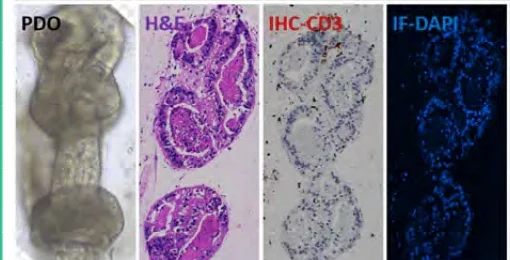
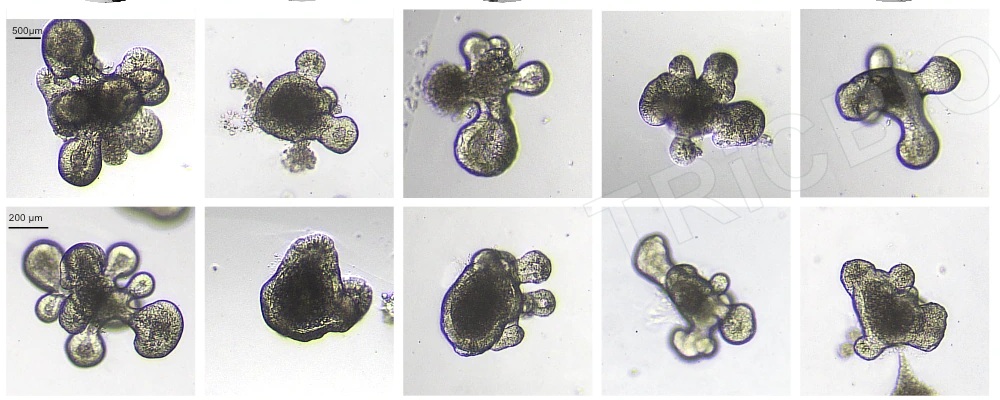
An ALI-based tumor model for studying treatment response alongside source-tissue architecture and immune cells retained from the sample.
Model details & recommended uses ↗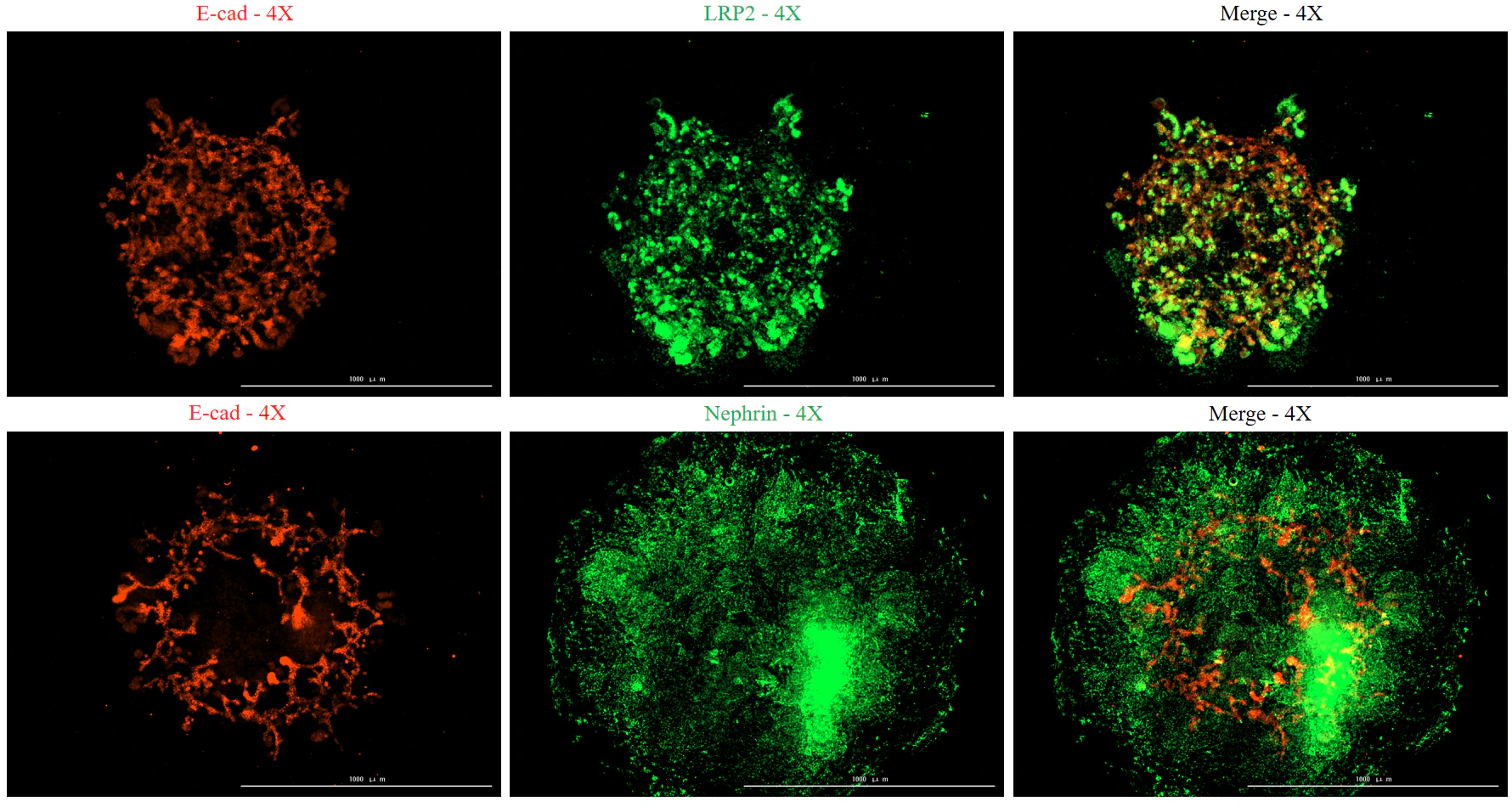
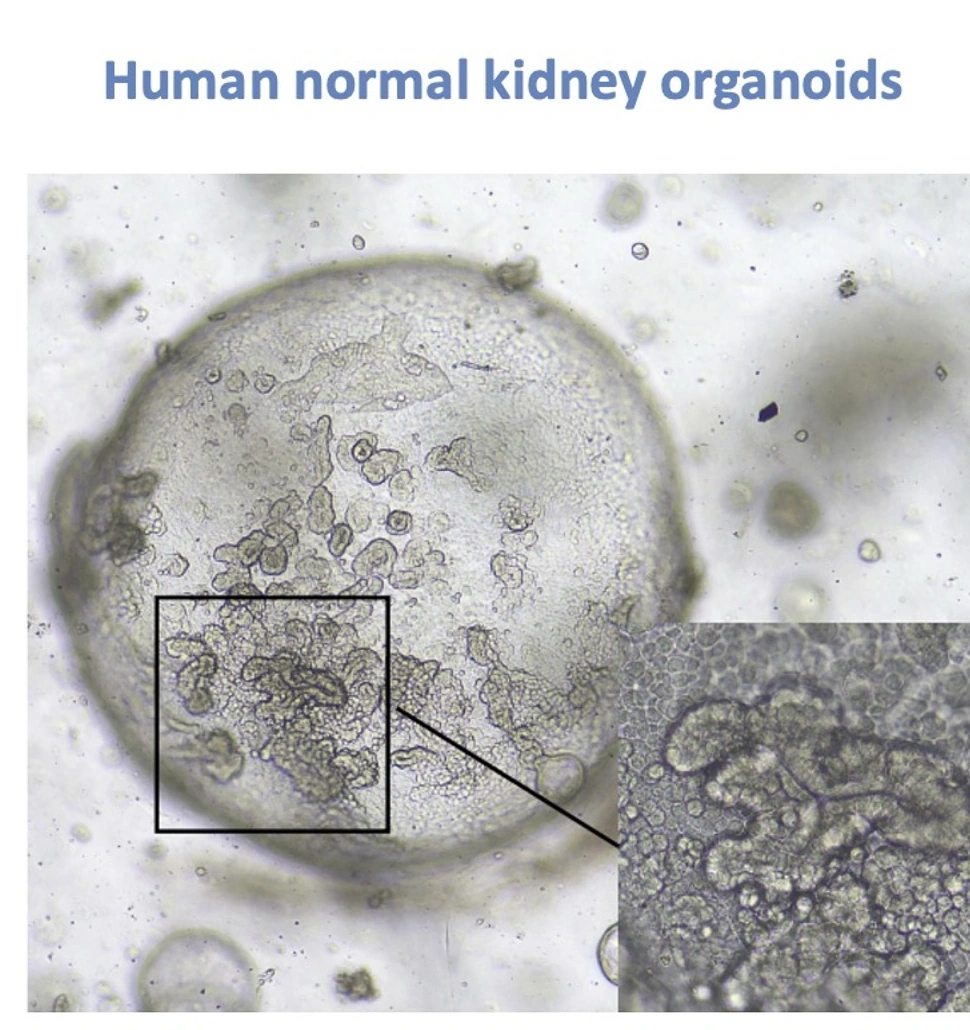
Assess drug-related kidney injury using morphology, nephron markers and molecular readouts; the culture approach is selected by compound mechanism and priority endpoint.
Model details & recommended uses ↗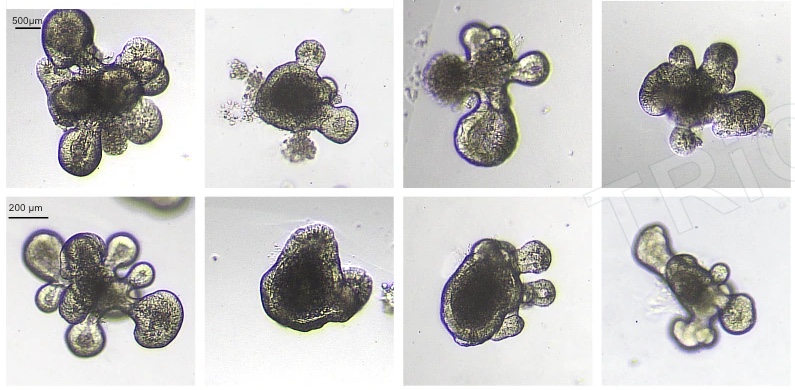
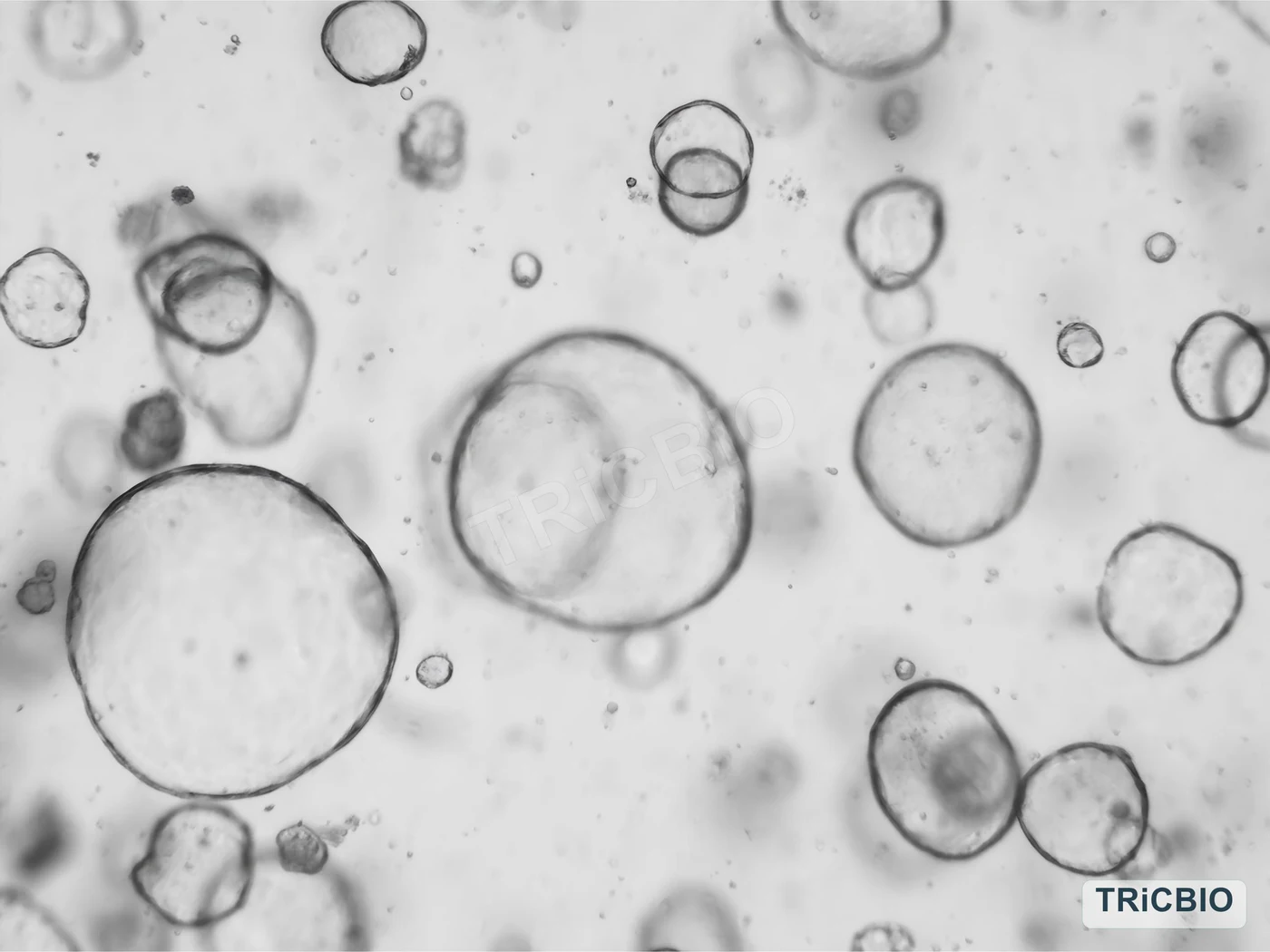
For inflammatory bowel disease (IBD), established inflammation and barrier assays in mouse intestinal organoids support candidate comparison across morphology, permeability, viability and F-actin/ZO-1; we tailor a human study to the sample and program goal.
Model details & recommended uses ↗Swipe or use arrow keys to explore more study results
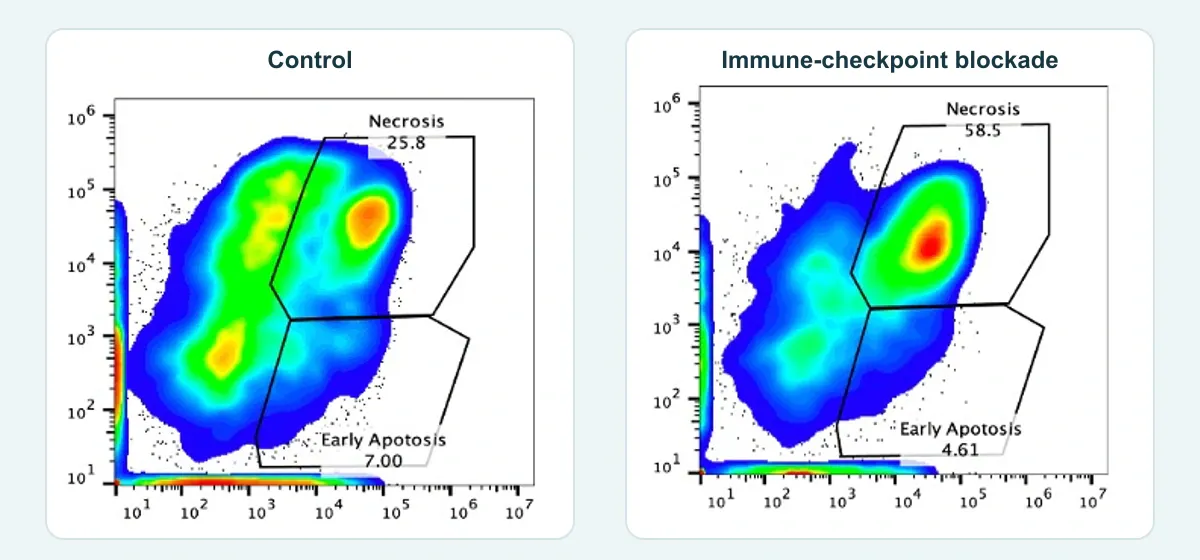
Select histology, cell-death and T-cell profiling endpoints for immunotherapy studies across different sample contexts.
View study results ↗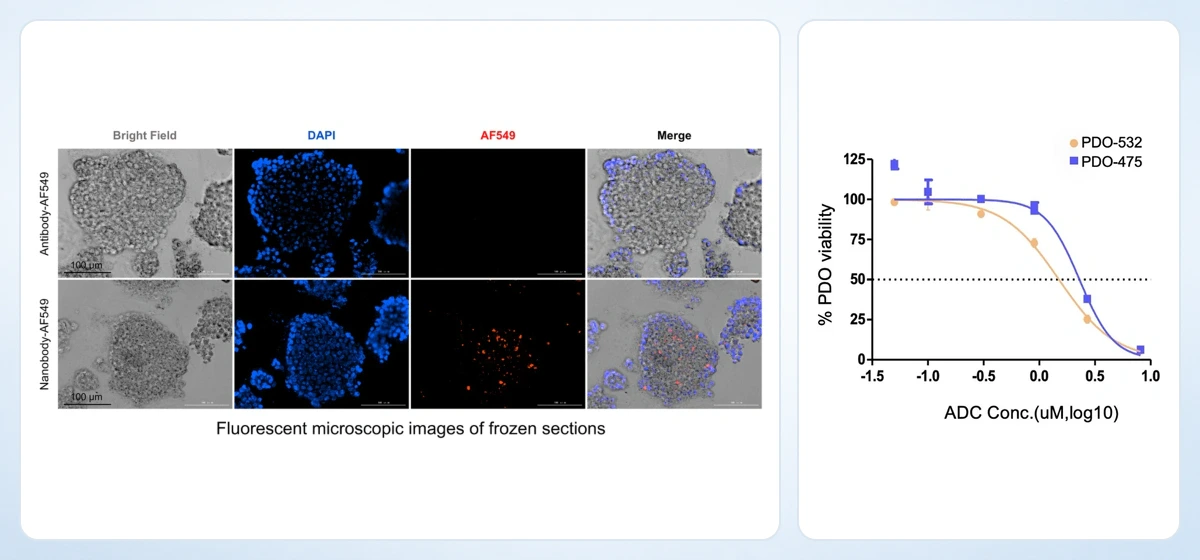
Plan ADC imaging, dose selection and candidate comparisons using labeled-antibody/nanobody distribution and ADC activity readouts.
View study results ↗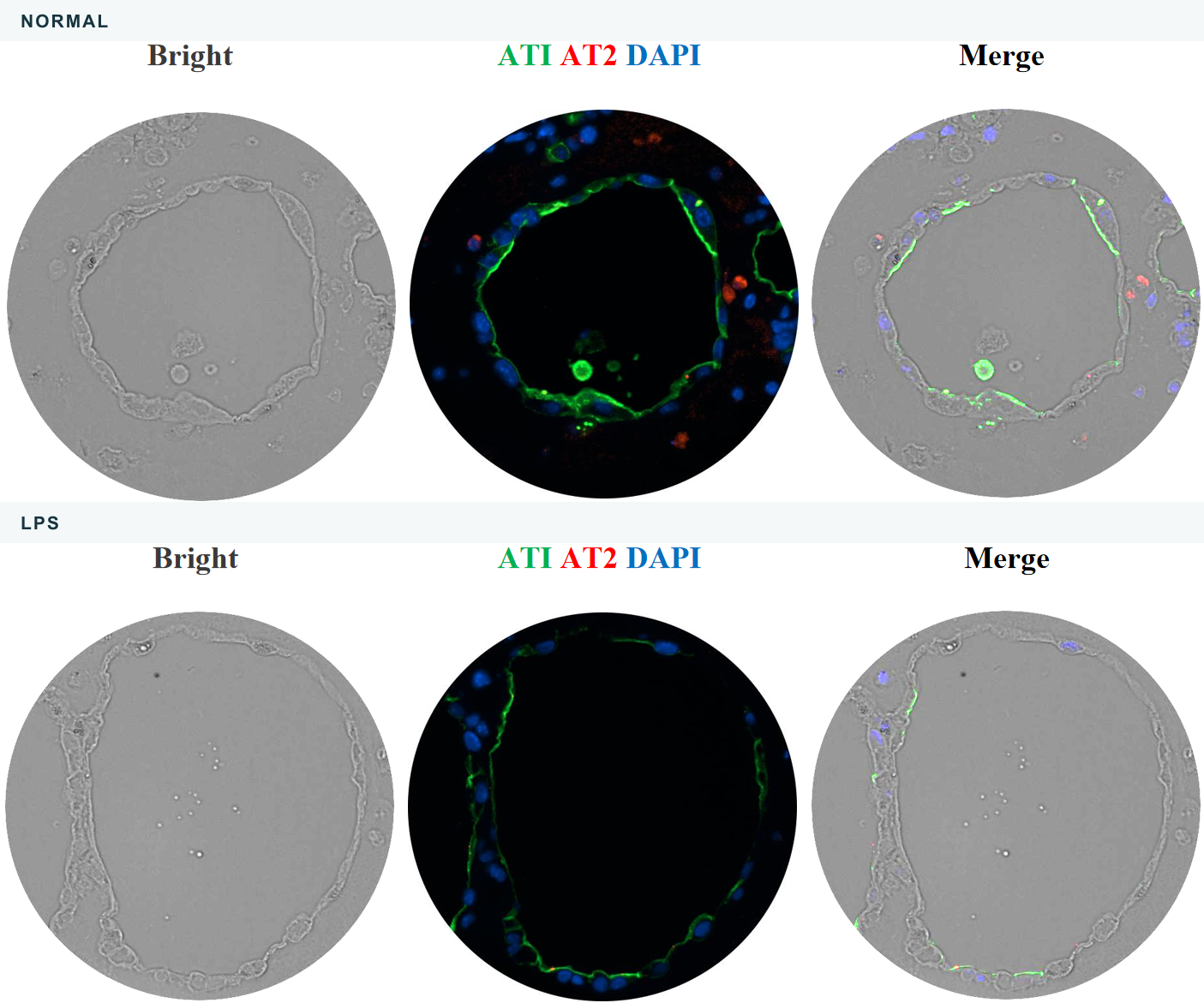
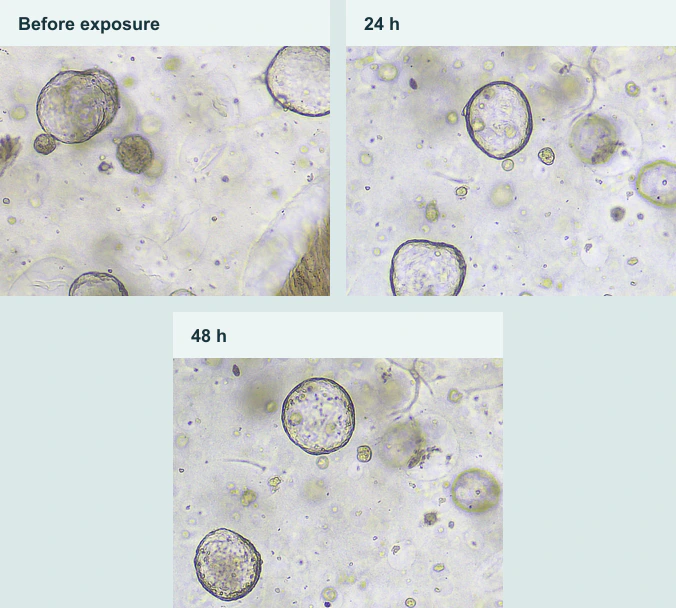
Select a lung, kidney or dual-organ strategy with safety endpoints matched to the candidate's risk profile.
View study results ↗Share the candidate mechanism, priority endpoint and available sample; we will outline a recommended model, first-pass assay set and expected deliverables.
How we work
We clarify the project goal, select the model and assays, prepare the study plan and quotation, then run the study and interpret the results. The first discussion can start with the candidate and information already available.
Clarify the objective and priority endpoints
Confirm the model, assays and study scope
Run the study and integrate the data
Review the results and agree on the next study step
Project inquiry
After the first discussion, we’ll recommend an initial model and assay approach, then define the study scope, timeline, deliverables and quote.
PDO 2.0 · TUMOR & NORMAL ORGANOIDS · DISEASE MODELS
TRiCBIO helps biopharma, CRO and research teams connect efficacy, safety, mechanism and immune-response studies in human organoid models. PDO 2.0 / ALI brings source-tissue architecture and immune cells retained from the sample into the same study.
Why TRiCBIO
TRiCBIO designs organoid studies for efficacy, mechanism, tumor–immune biology and safety using PDO 2.0 / ALI, human tissue models and multimodal assays.
From early ALI culture research in Nature Medicine to the 2018 Cell study of tumor–immune organoids, work involving TRiCBIO’s Chief Scientist continues to guide our PDO 2.0 platform and study design.
Explore PDO 2.0 02Model · assay · analysis · deliveryEstablish and characterize the model, then add efficacy, safety, mechanism and multimodal readouts to produce results and documentation your team can interpret and use.
Explore the technology 03Selected models · documented assays · flexible collaborationCombine tumor PDOs, normal-tissue organoids and disease models to evaluate efficacy, mechanism and organ-specific safety within a connected research program.
Browse models 04Scientific team involvementScientists with experience in target discovery, functional genomics, clinical pharmacology and drug development contribute to model and study design across contract research, model and product supply, custom development and scientific collaboration.
Meet the scientific teamWhat are you working on?
Whether you are evaluating a candidate, developing a disease model or planning a collaborative study, we match the goal, sample context and available information to suitable model and study options.
Compare candidates, doses and combinations across efficacy, safety, mechanism and biomarker readouts.
Explore relevant study options ↗Develop clinical-sample organoids and disease models for functional validation, method development and collaborative research.
Explore relevant study options ↗Explore study options
Enter by study goal, therapeutic modality or model system, then continue to the relevant services, models and case studies.
Begin with the question your team needs to answer, then explore the relevant services, models and evidence.
Test whether target modulation changes the relevant phenotype and pathway.
Explore the study approach 02Compare efficacy, dose, combinations and response differences across models.
Explore the study approach 03Build a safety study around organ injury and exposure conditions.
Explore the study approach 04Relate tissue context and immune components to treatment response.
Explore the study approachDifferent modalities call for different models, controls and readouts.
Compare dose, timing, combinations and mechanism-focused endpoints.
Explore the application 02Examine target expression, effector context and dynamic killing together.
Explore the application 03Study target heterogeneity, tissue spatial distribution and cytotoxicity.
Explore the application 04Combine PDO 2.0 / ALI with program-relevant immune readouts.
Explore the applicationStart with tumor, normal-tissue or disease models, then connect the right model and assays to the next stage of your program.
Choose by cancer, tissue context and need for immune information.
Browse relevant models 02Normal-tissue, adjacent non-tumor and stem-cell-derived models for tissue phenotypes, injury and organ-specific safety.
Browse relevant models 03Study inflammation, barrier, cyst and disease-associated phenotypes.
Browse relevant models 04Develop specialized models, co-cultures and functional assays around the study goal.
Explore custom collaborationPDO 2.0 / ALI
PDO 2.0 uses an air–liquid interface to study treatment response alongside source-tissue architecture and immune cells retained from the original sample. It supports tumor-microenvironment profiling, immunotherapy and combination studies.
See how PDO 2.0 worksFeatured models & study results
Start with PDO 2.0 immune studies, normal-tissue safety or disease models, with linked case studies and assay readouts. The full directory includes additional tumor, normal-tissue, disease and custom models.
Swipe or use arrow keys to explore more models
An ALI-based tumor model for studying treatment response alongside source-tissue architecture and immune cells retained from the sample.
Model details & recommended uses ↗Assess drug-related kidney injury using morphology, nephron markers and molecular readouts; the culture approach is selected by compound mechanism and priority endpoint.
Model details & recommended uses ↗For inflammatory bowel disease (IBD), established inflammation and barrier assays in mouse intestinal organoids support candidate comparison across morphology, permeability, viability and F-actin/ZO-1; we tailor a human study to the sample and program goal.
Model details & recommended uses ↗Swipe or use arrow keys to explore more study results
Select histology, cell-death and T-cell profiling endpoints for immunotherapy studies across different sample contexts.
View study results ↗Plan ADC imaging, dose selection and candidate comparisons using labeled-antibody/nanobody distribution and ADC activity readouts.
View study results ↗Select a lung, kidney or dual-organ strategy with safety endpoints matched to the candidate's risk profile.
View study results ↗Share the candidate mechanism, priority endpoint and available sample; we will outline a recommended model, first-pass assay set and expected deliverables.
How we work
We clarify the project goal, select the model and assays, prepare the study plan and quotation, then run the study and interpret the results. The first discussion can start with the candidate and information already available.
Clarify the objective and priority endpoints
Confirm the model, assays and study scope
Run the study and integrate the data
Review the results and agree on the next study step
Project inquiry
After the first discussion, we’ll recommend an initial model and assay approach, then define the study scope, timeline, deliverables and quote.