ATII and SCGB1A1/KRT5 profiling, serial morphology, and AT1/AT2 changes after LPS exposure together guide pulmonary-injury model selection, observation timing and endpoint design.
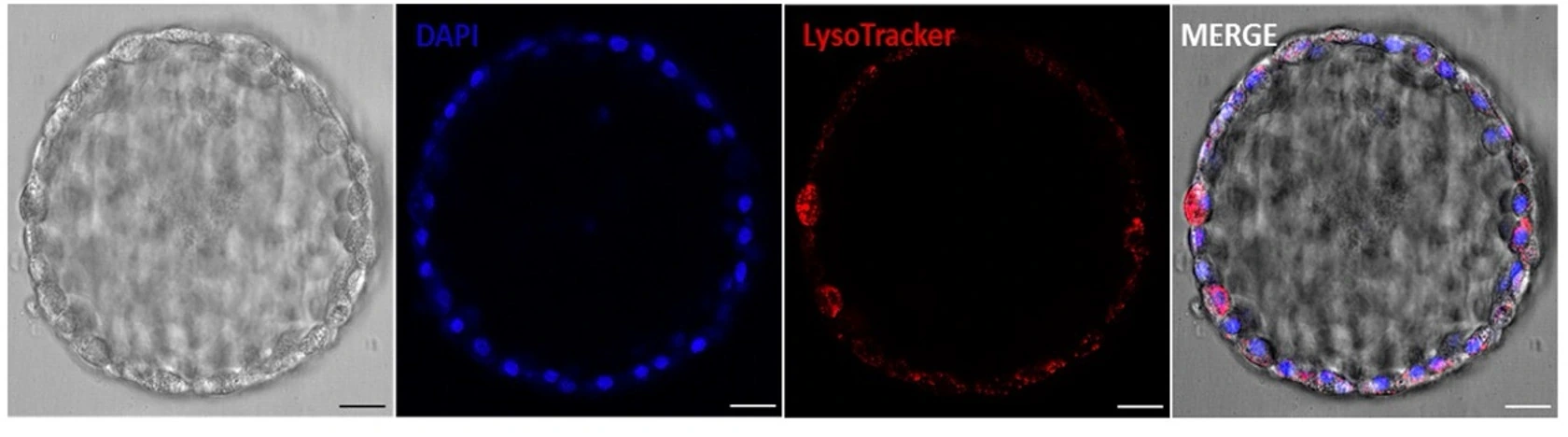
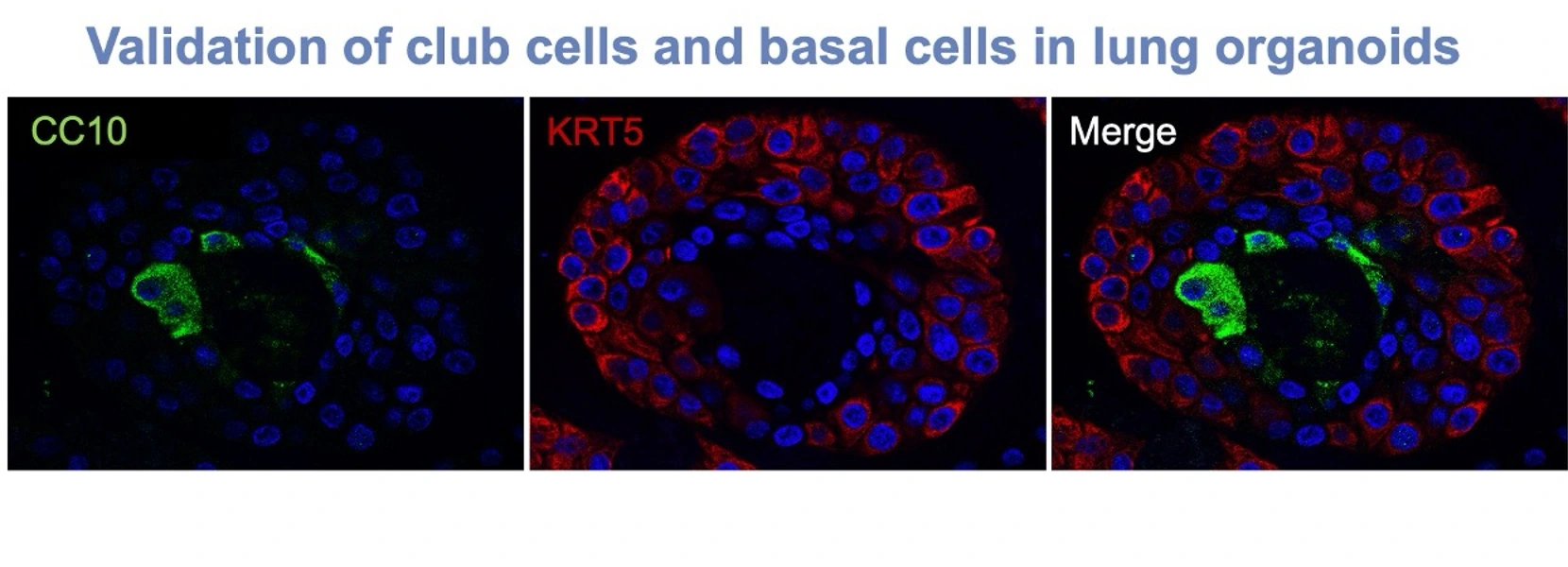
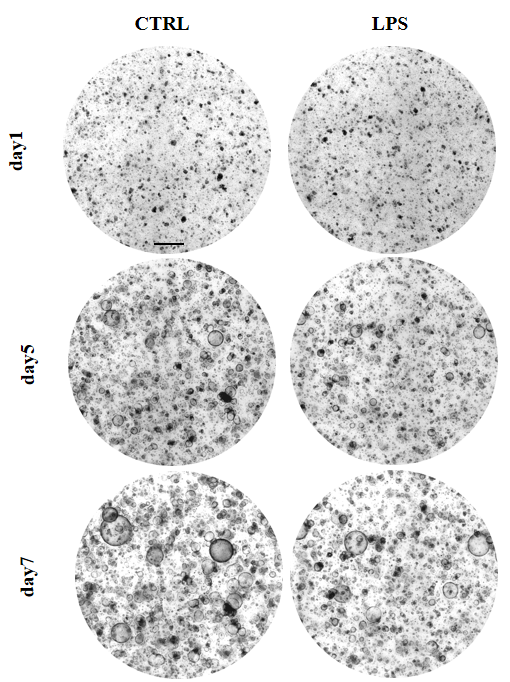
ATII, SCGB1A1 (CC10) and KRT5 profiling establishes the alveolar and airway context. Serial morphology and AT1/AT2 readouts under LPS conditions help define observation windows and endpoints for pulmonary-injury studies.
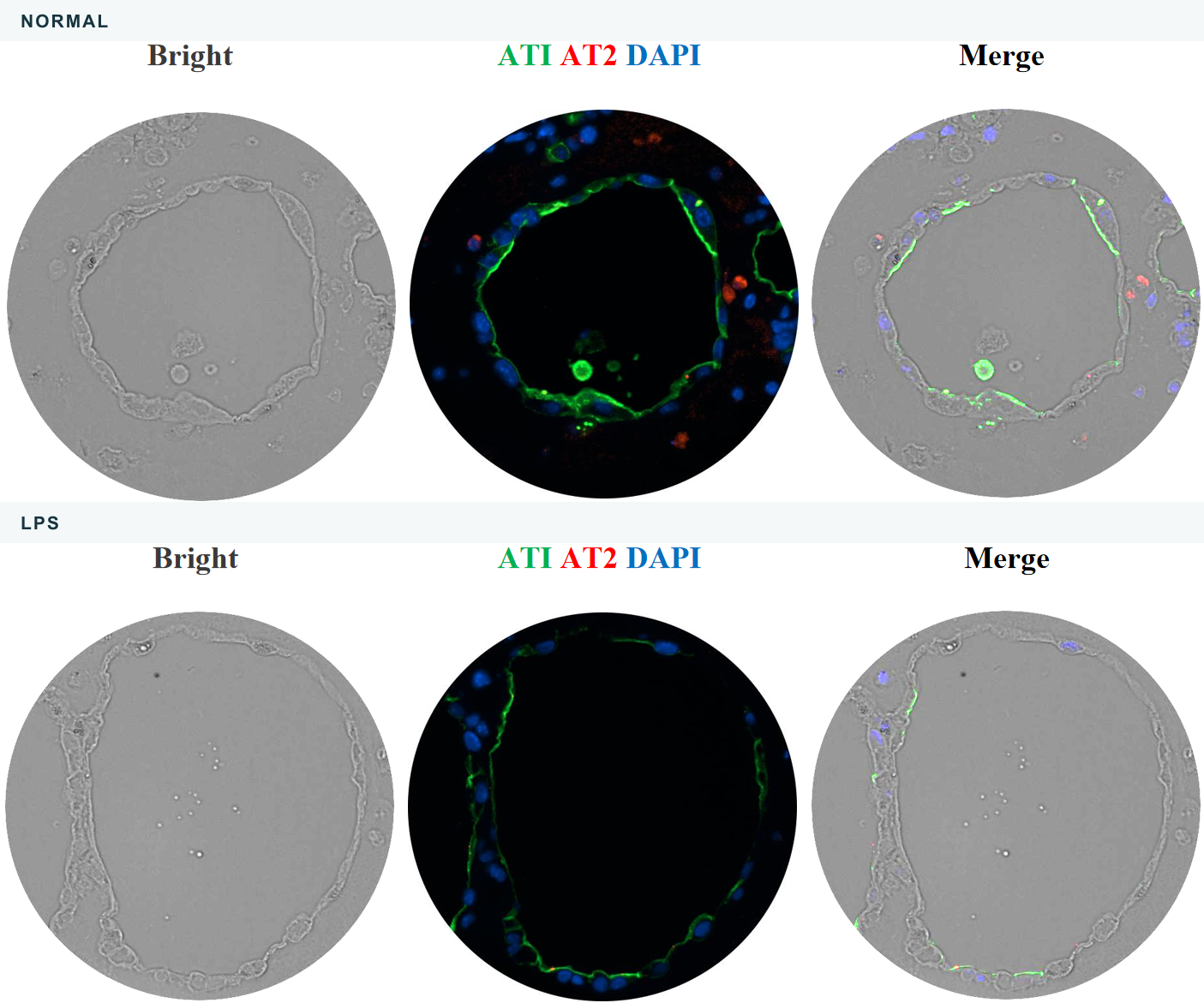
Bright-field, AT1, AT2, DAPI and merged views provide alveolar-cell context under the injury condition.
Supports interpretation of morphology alongside alveolar-cell endpoints
The normal-lung organoid study covers model identity, serial morphology and alveolar readouts under LPS conditions. Candidate safety studies can add program-specific dosing and exposure conditions, appropriate controls and replication, and organ-specific quantitative endpoints.
ATII and SCGB1A1/KRT5 profiling, serial morphology, and AT1/AT2 changes after LPS exposure together guide pulmonary-injury model selection, observation timing and endpoint design.
ATII, SCGB1A1 (CC10) and KRT5 profiling establishes the alveolar and airway context. Serial morphology and AT1/AT2 readouts under LPS conditions help define observation windows and endpoints for pulmonary-injury studies.
Bright-field, AT1, AT2, DAPI and merged views provide alveolar-cell context under the injury condition.
Supports interpretation of morphology alongside alveolar-cell endpoints
The normal-lung organoid study covers model identity, serial morphology and alveolar readouts under LPS conditions. Candidate safety studies can add program-specific dosing and exposure conditions, appropriate controls and replication, and organ-specific quantitative endpoints.