
Applications
Organoids for efficacy, safety & immunity
Start with the modality or program goal, then match tumor PDOs, PDO 2.0, normal-tissue or disease models and assays for candidate comparison, mechanism studies and safety decisions.
MODALITIES
By therapeutic modality
Start from how the candidate works, then select the model, controls and readouts that best test the mechanism.
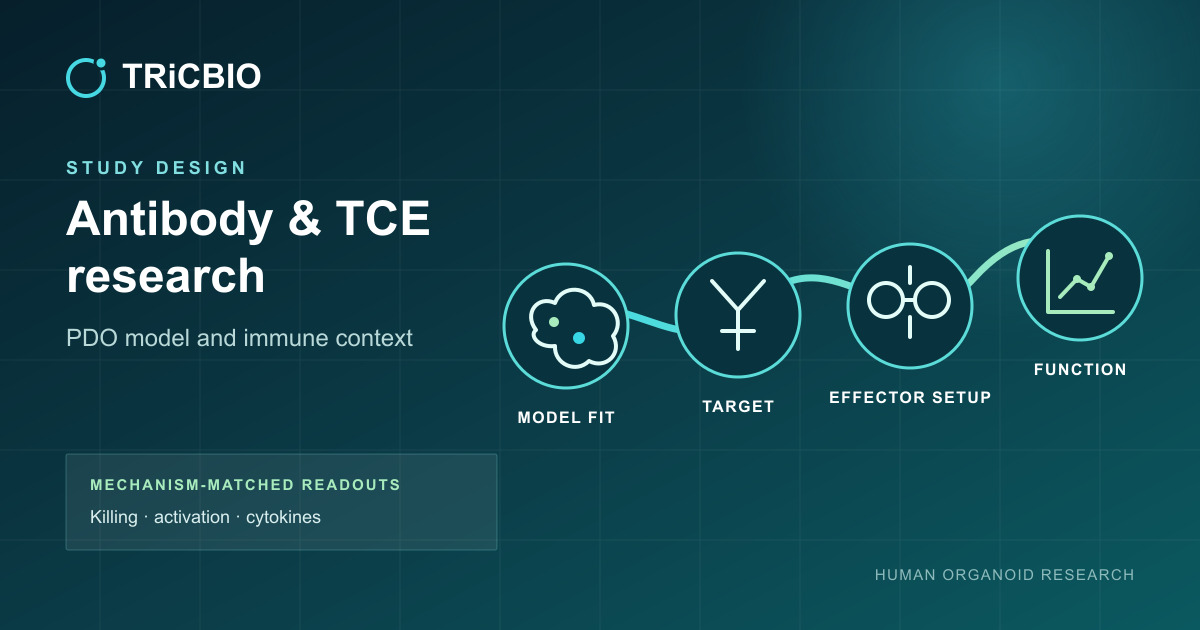 Antibody, multispecific and TCE study design01
Antibodies, multispecifics & TCEs
Evaluate target expression, effector-cell conditions, dynamic killing and immune activation together in human 3D tumor models.
↗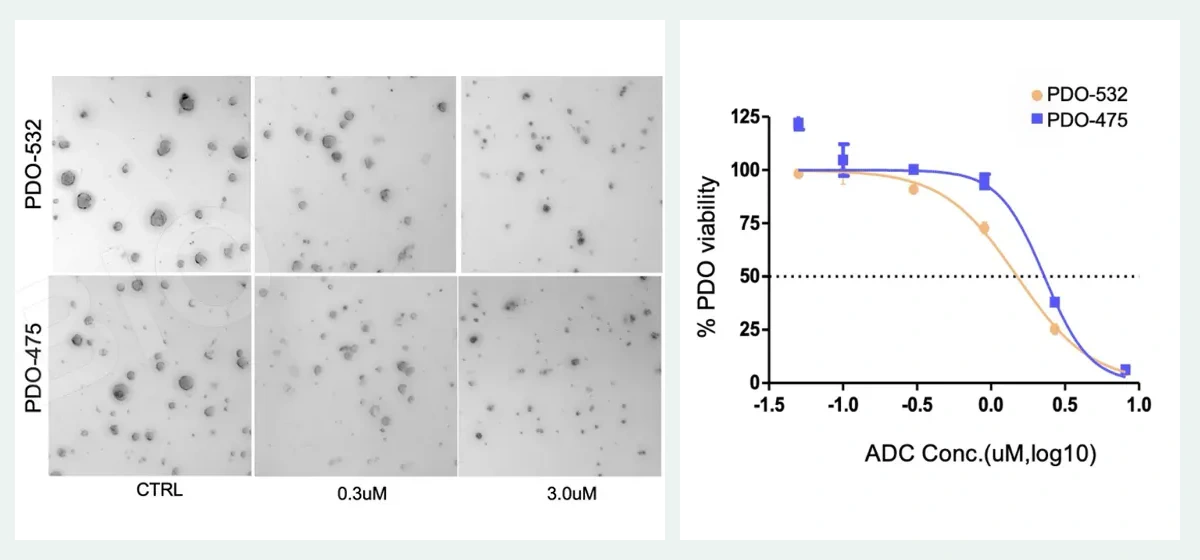 Breast cancer PDOs · ADC morphology and dose response02
ADC
Compare ADC candidates in human organoids using target-expression, tissue-distribution and activity readouts, with dedicated studies of bystander killing.
↗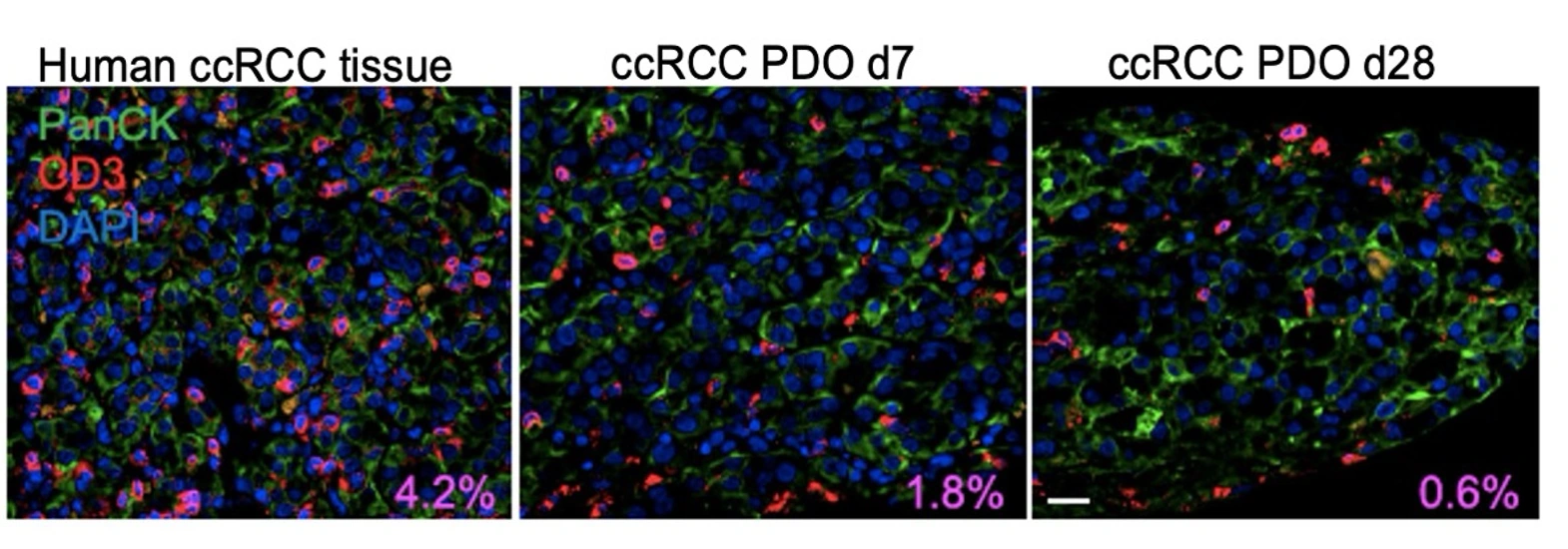 ccRCC PDO 2.0 · T cells and tissue context03
Immunotherapy
Use PDO 2.0 / ALI and project-relevant immune assays to study relationships among immune composition, architecture and treatment response.
↗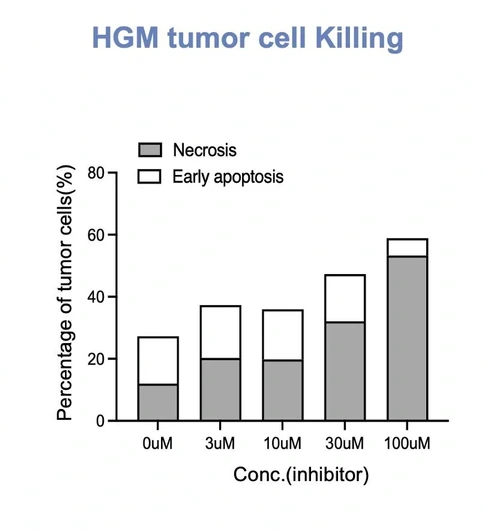 Glioma PDO 2.0 · inhibitor dose-related killing04
Small molecules & targeted therapy
Compare candidates across doses, time points and combinations in models selected for the target and indication, using mechanism-linked readouts to explain differences.
↗ 05
05Cell & gene therapy
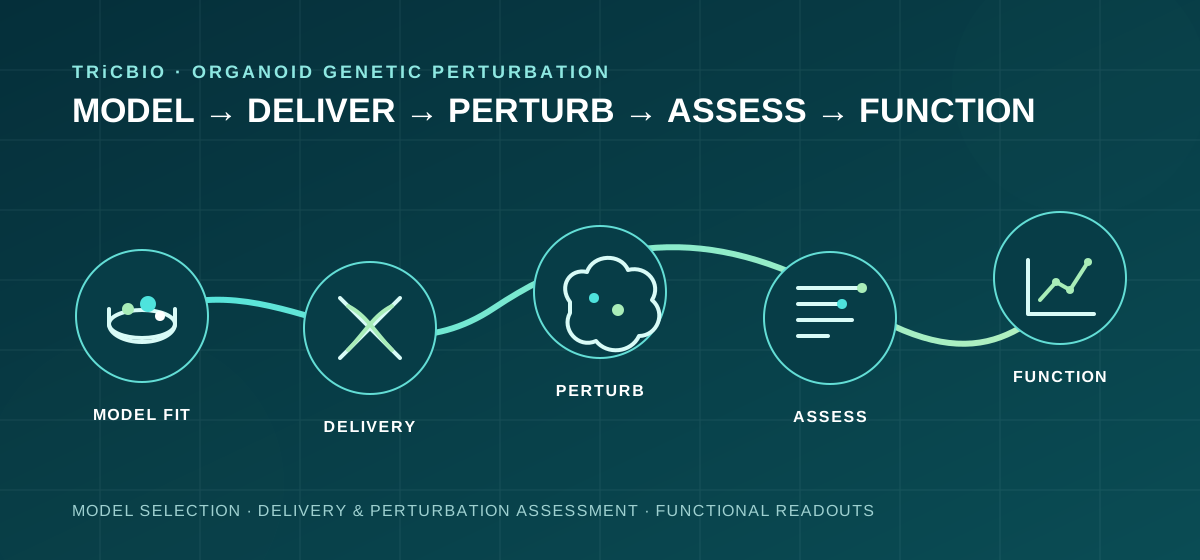
Use human organoids for gene delivery, genetic perturbation and co-culture studies with therapeutic cells, with functional, mechanistic and safety readouts matched to the program.
↗QUESTIONS
By development question
Start with the safety, delivery or biomarker question, then combine the models and readouts needed to answer it.
 01
01Safety & toxicology
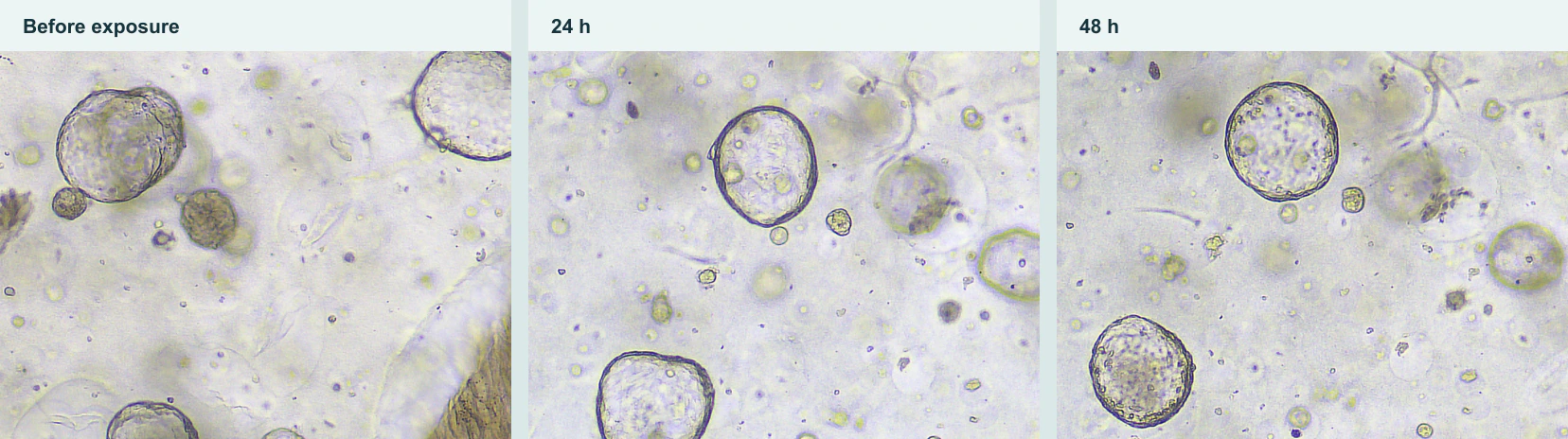
Use human organ models to compare dose- and exposure-related injury with organ-specific morphological, functional and molecular readouts.
↗ 02
02Drug delivery & barrier permeability
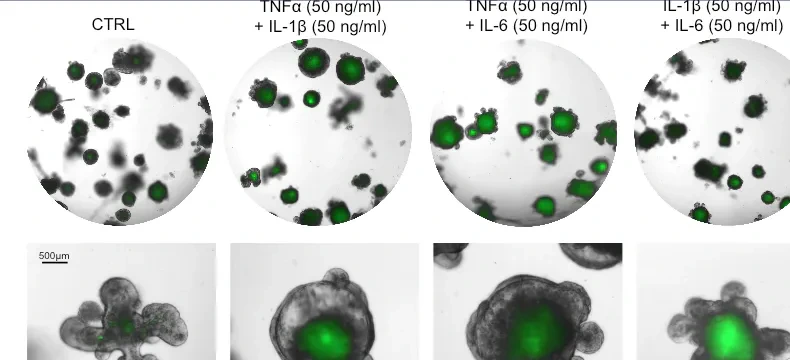
Confirm barrier structure and baseline function, then interpret candidate transport or retention alongside barrier-integrity readouts.
↗ Mouse IBD barrier assay03
Disease mechanism & biomarkers
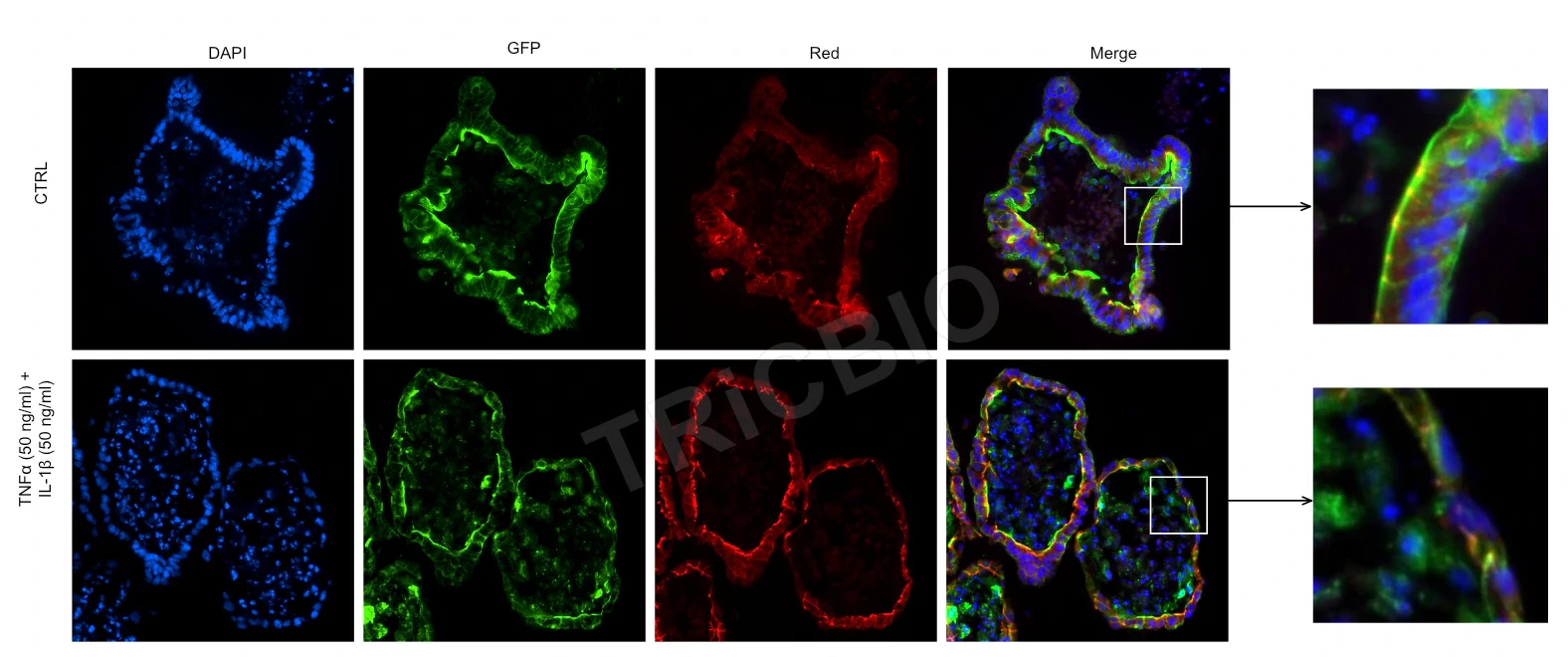
Interpret tissue-level, functional and molecular changes in the context of the model and treatment to identify reproducible, testable signals for R&D decisions.
↗Share your modality, mechanism and program priorities; our scientists will recommend which studies to combine and how to sequence them.