TRiCBIO
EvidenceNavigation menu
R&D ServicesModels & ProductsApplicationsTechnologyEvidence & ResourcesHow We WorkAbout TRiCBIOProject inquiry中文
Model & assay dataApplication note

Normal lung and kidney evidence for safety studies

Plan a coordinated lung and kidney safety study using organ-specific injury evidence, identity QC and readouts tailored to one candidate program.

01Study objective02Model & design03Assays & findings04Decision & next step
Model & sampleNormal lung and human kidney organoids, with kidney model source and culture approach selected for each study
ObjectiveDesign a coordinated lung and kidney safety study around organ-specific injury and identity readouts for the same candidate.
Study conditionsLPS lung-injury conditions and kidney drug-injury studies inform organ-specific exposure and control design for a new candidate
AssaysLung: serial morphology, AT1/AT2, ATII-associated LysoTracker signal, SCGB1A1 (CC10) and KRT5; kidney: Nephrin/LTL-associated identity profiling and a doxorubicin injury time course
Study evidenceTRiCBIO normal-lung LPS injury and normal-kidney drug-injury study data
DeliverablesReceive images, assay results and an analysis summary; the report documents the study design, sample size and statistical methods

STUDY EVIDENCE

Lung and kidney organoids for safety studies

Normal-lung studies connect alveolar- and airway-associated phenotypes with an LPS injury comparison, while kidney organoid studies combine identity profiling with serial morphology after doxorubicin exposure. New candidate studies can match model provenance, exposure conditions and assay endpoints to each organ.

Normal lung: identity and LPS injury4 study figures
01Normal lung | alveolar
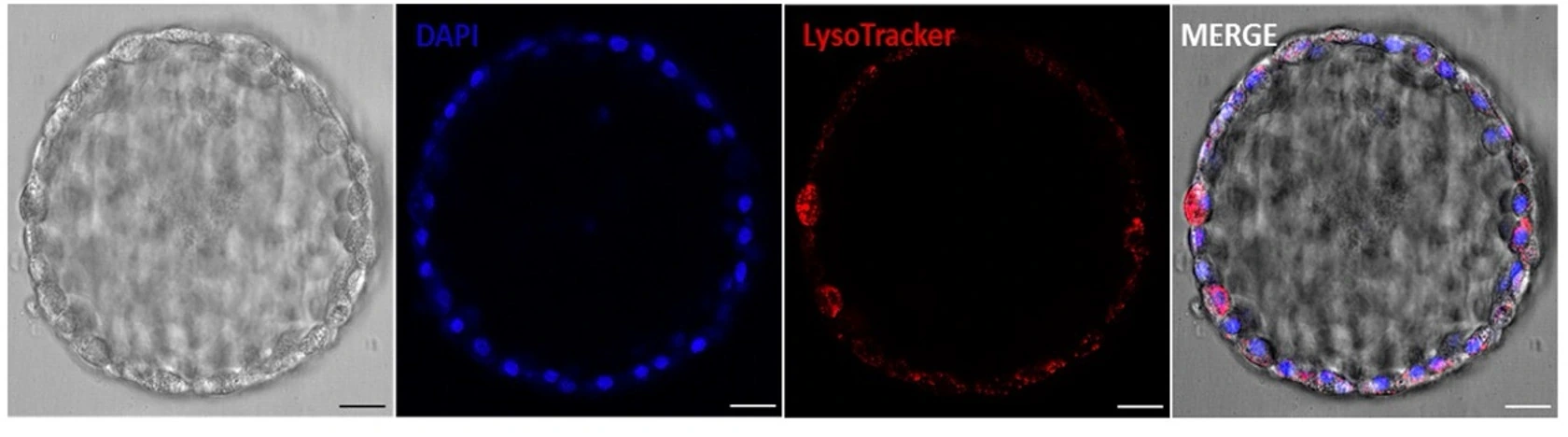
Alveolar organoid morphology and ATII-associated LysoTracker signal

Alveolar organoid morphology and ATII-associated LysoTracker signal

Bright-field, DAPI, LysoTracker and merged views show alveolar organoid morphology and ATII-associated acidic-organelle signal.

Supports selection of alveolar-associated phenotype and injury endpoints
02Normal lung | airway
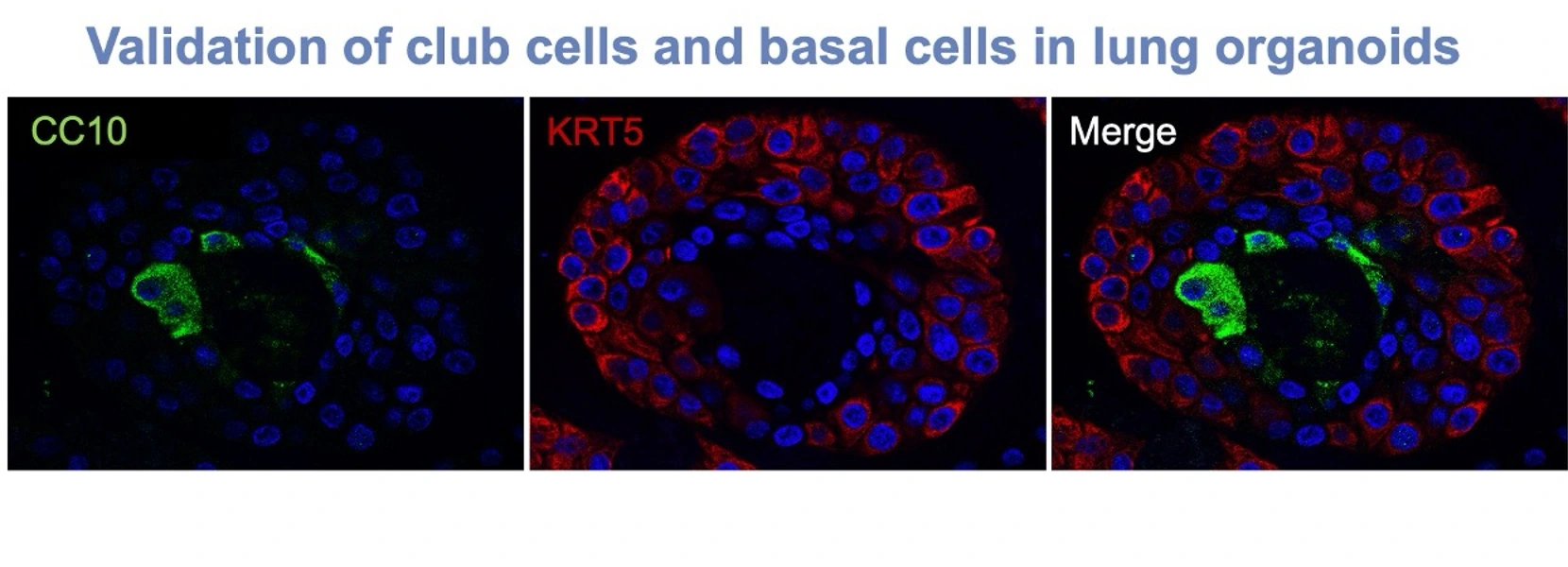
SCGB1A1 (CC10) and KRT5 airway-cell signals

SCGB1A1 (CC10) and KRT5 airway-cell signals

Immunofluorescence shows club- and basal-cell profiles that help distinguish alveolar- and airway-focused study directions.

Helps determine whether alveolar- or airway-focused endpoints are more relevant to the candidate
03Normal lung | LPS injury window
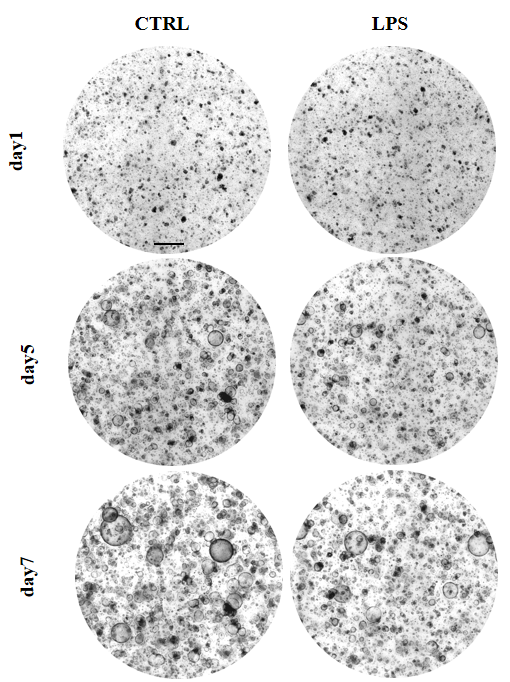
Serial morphology under control and LPS conditions

Serial morphology under control and LPS conditions

Bright-field views on days 1, 5 and 7 guide post-treatment observation timing and follow-on quantitative endpoints.

Supports selection of the observation window for pulmonary-injury studies
04Normal lung | alveolar endpoints
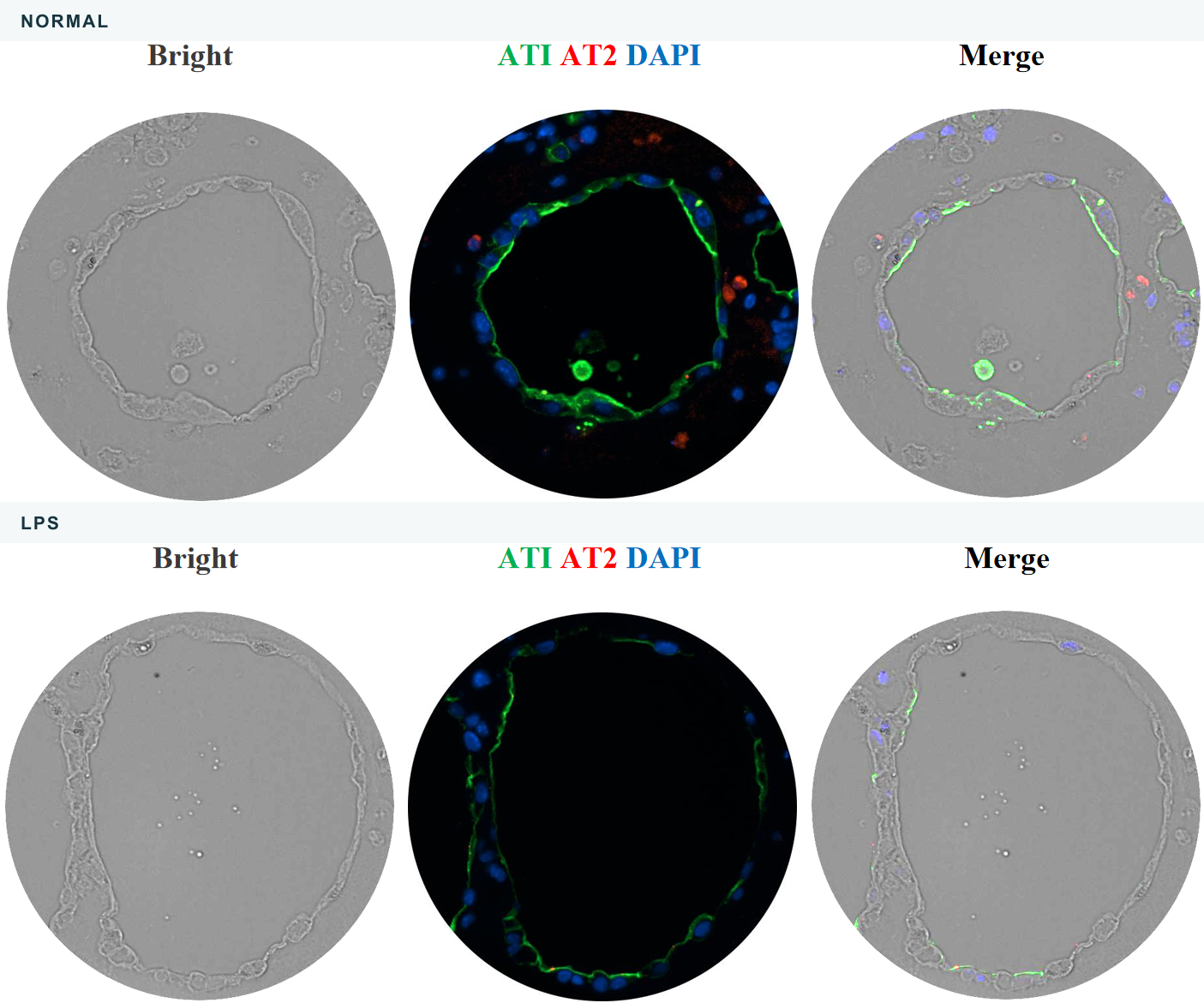
AT1/AT2 profiling under normal and LPS conditions

AT1/AT2 profiling under normal and LPS conditions

Bright-field, AT1, AT2, DAPI and merged views connect the injury condition with alveolar-cell profiling.

Supports selection of alveolar-cell injury endpoints
Human kidney organoid project: identity data2 study figures
05Normal kidney | morphology
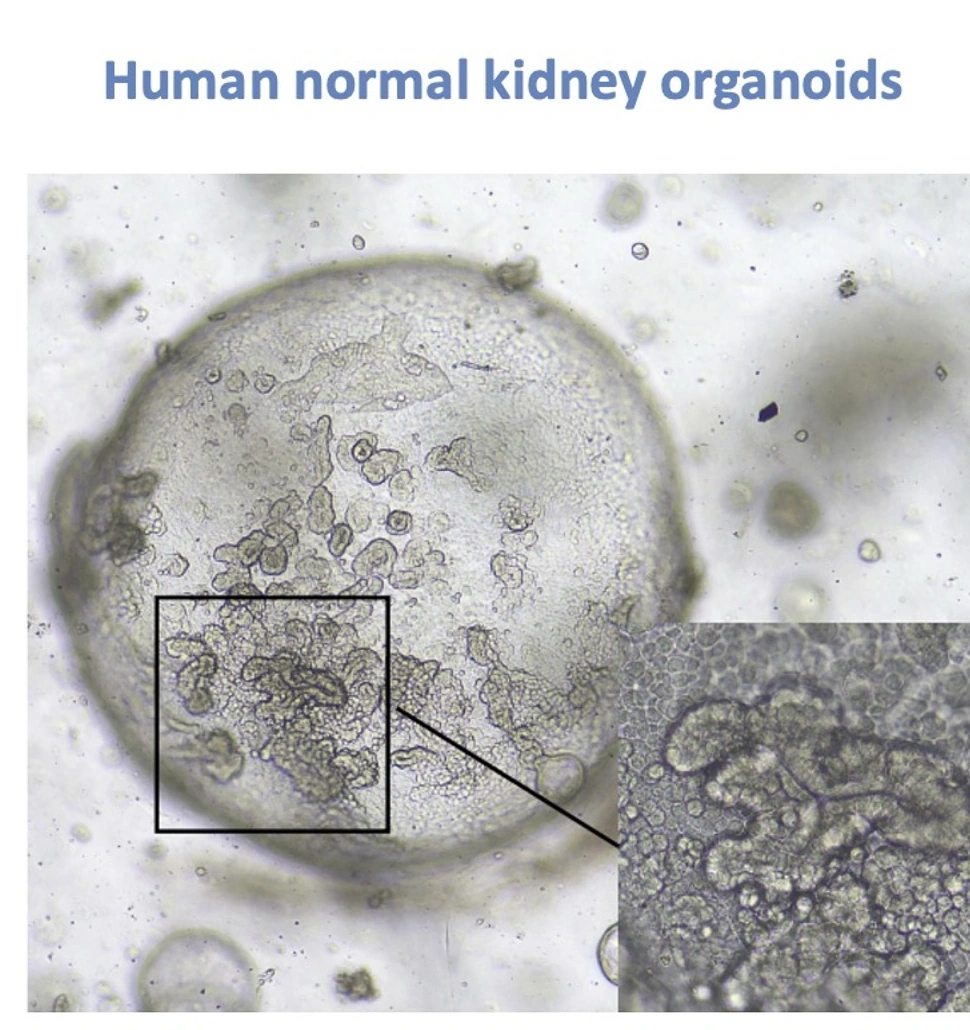
Whole-organoid and local kidney structures

Whole-organoid and local kidney structures

Bright-field and inset views provide structural context for subsequent identity and injury assays.

Supports selection of nephron identity assays
06Normal kidney | nephron identity
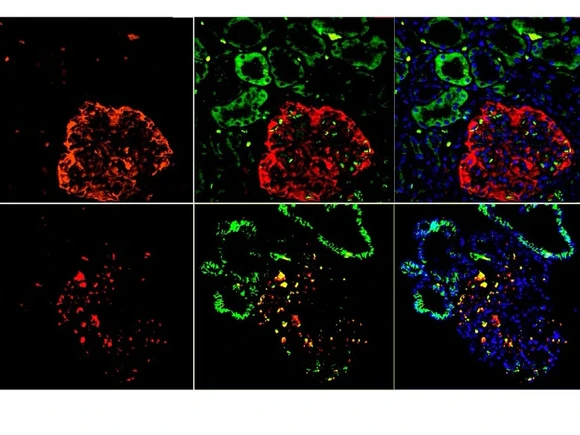
Nephrin- and LTL-associated immunofluorescence

Nephrin- and LTL-associated immunofluorescence

Nephrin- and LTL-associated signals provide podocyte- and tubule-related context for selecting cell-type-relevant endpoints.

Supports selection of organ- and cell-type-relevant safety endpoints
Human kidney study: doxorubicin acute-injury observation1 study figure
07Injury study | observation window
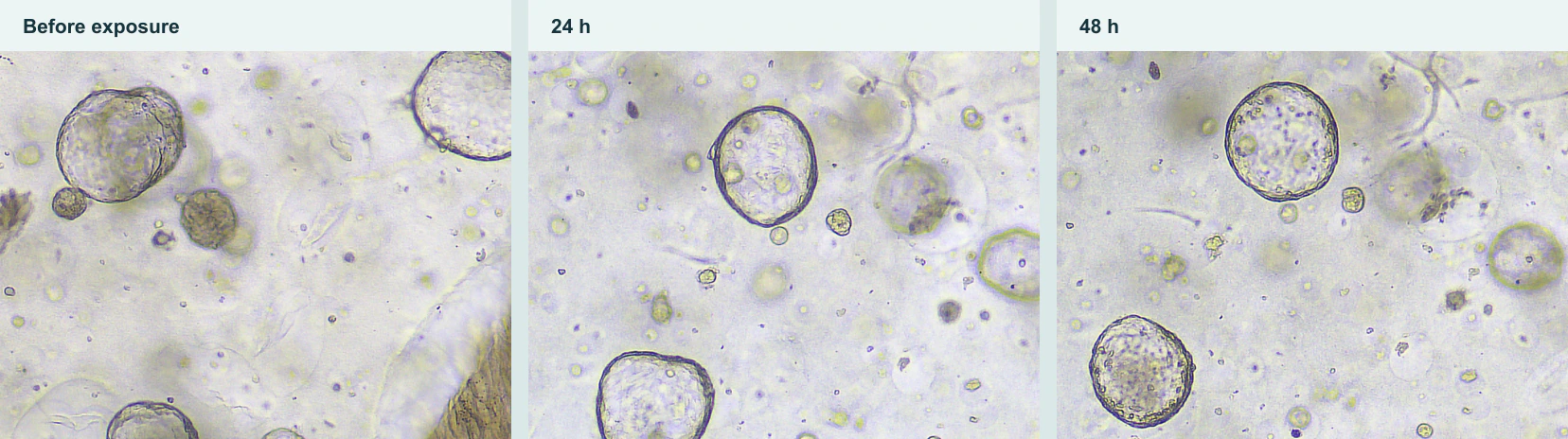
Morphology before and 24/48 hours after doxorubicin exposure

Morphology before and 24/48 hours after doxorubicin exposure

Bright-field imaging before exposure and at 24/48 hours shows the time course of morphological change and guides downstream sampling and assay timing, including alignment of the kidney observation window in a two-organ study.

Supports selection of kidney-injury observation and sampling times
View study figure set
Normal lung and kidney organoid safety-study figure set

View study endpoints across both organs, from alveolar and airway identity and LPS injury to kidney organoid identity and post-treatment morphology.

INTERPRETATION

Plan safety studies around target organs and endpoints

How the results are used

Select a lung, kidney or dual-organ strategy with safety endpoints matched to the candidate's risk profile.

Study application

The lung and kidney studies provide organ-specific model identity, injury endpoints and observation windows. For the same candidate, our scientists can design complementary studies with dose, timing and controls tailored to each organ, helping your team assess risk signals across organs.

Follow-on study

Set exposure gradients and recovery studies around the candidate mechanism, with organ-specific molecular endpoints and batch replication.

Related models and services

Choose the right models and services for the next study

PROJECT DISCUSSION

Discuss a study built around your program

Share your project goal and available materials. Our scientists will recommend models, controls, assays and a practical first study.