
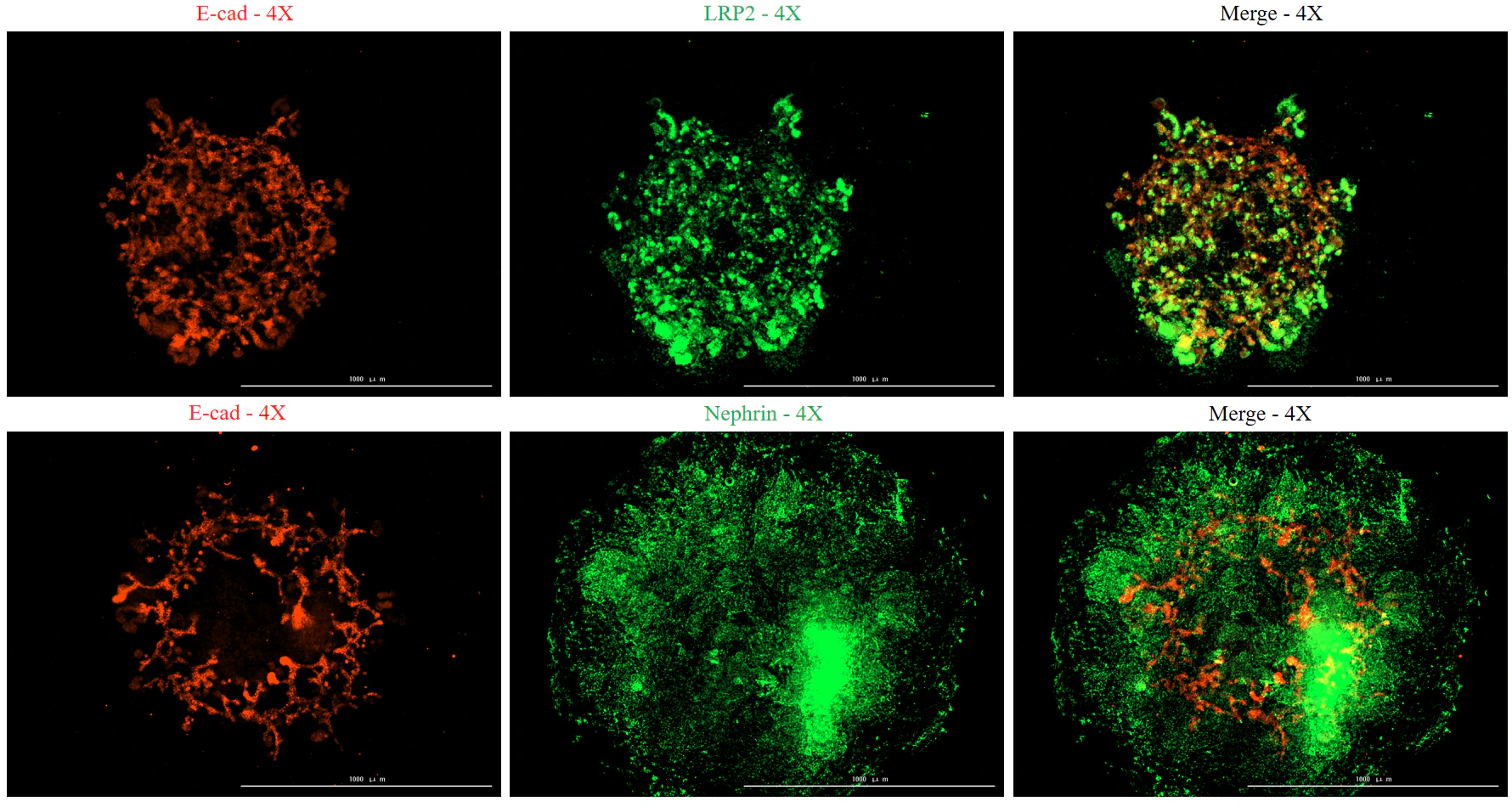
Human kidney organoids
Assess drug-related kidney injury using morphology, nephron markers and molecular readouts; the culture approach is selected by compound mechanism and priority endpoint.
E-cadherinLRP2Nephrin
Models & products
Compare tumor PDOs, normal-tissue organoids and disease models by project goal, available assays and collaboration format. Browse options for supplied models, TRiCBIO-run studies and custom development.
Start from a common study combination or select up to three models.
Choosing PDO 1.0 or PDO 2.06 models shown
0 of 3 models selected for comparison
Assess drug-related kidney injury using morphology, nephron markers and molecular readouts; the culture approach is selected by compound mechanism and priority endpoint.
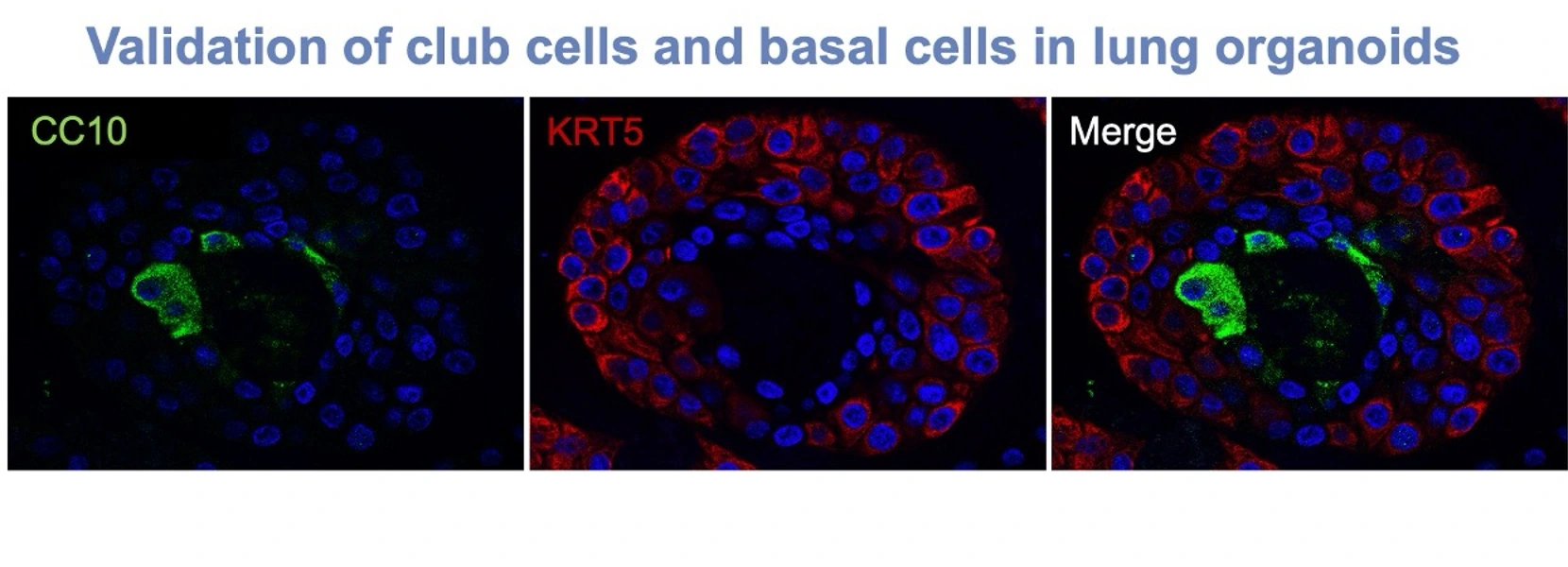
Human lung organoids for pulmonary-injury and candidate studies, combining airway and alveolar cell profiling with changes in tissue morphology.
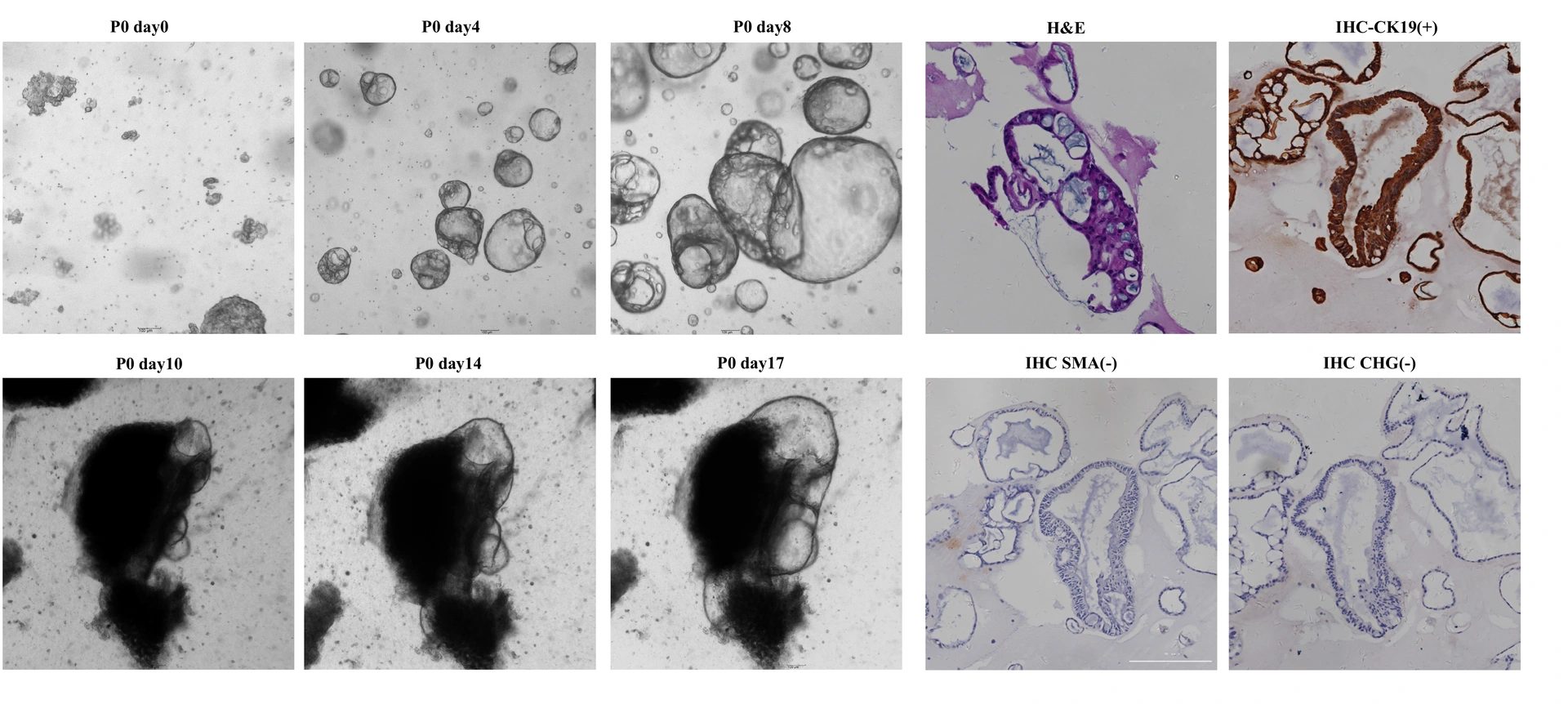
Organoids from adjacent non-tumor liver tissue for epithelial-biology, drug-exposure and tumor-versus-adjacent-tissue studies.
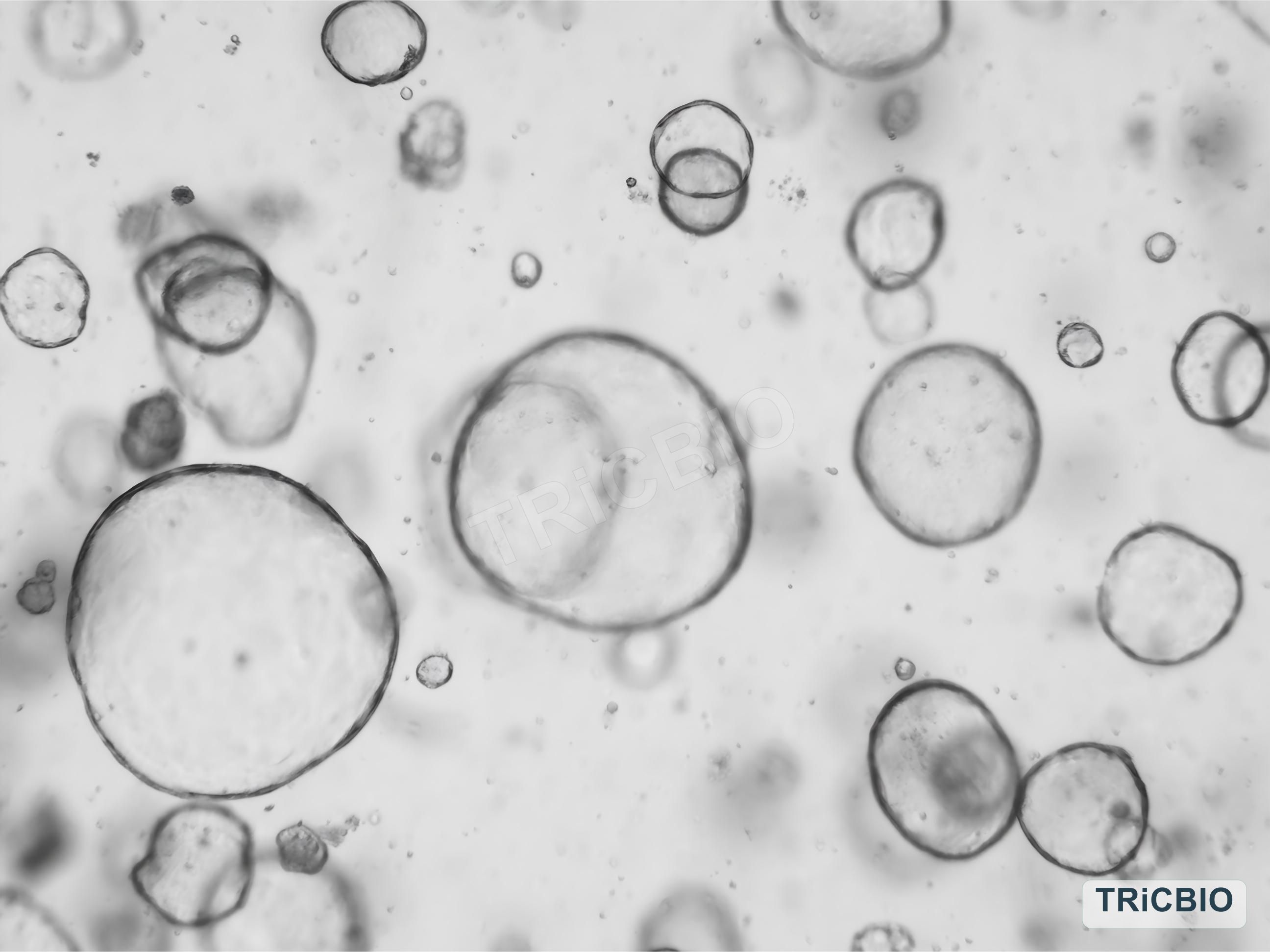
Study gastric epithelial biology and drug exposure in normal human organoids, with imaging of tissue structure, proliferation and mucin-related markers.
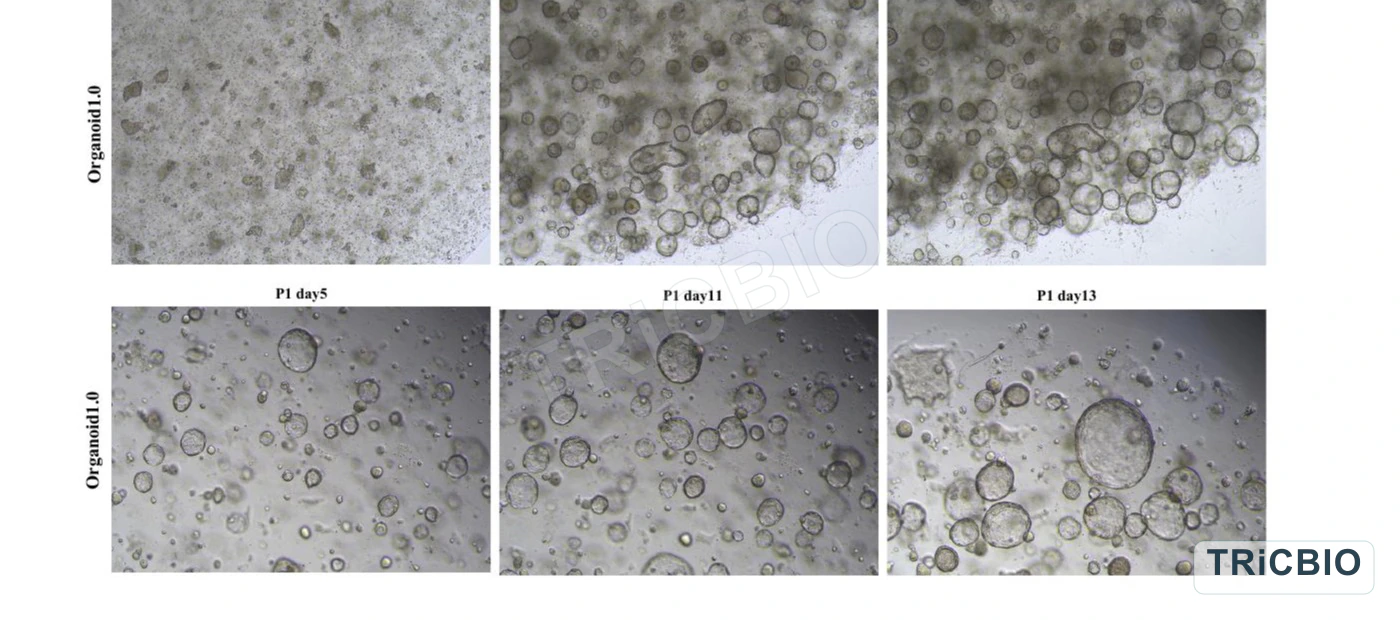
Track morphology and marker expression from primary establishment and passaging through proliferative, secretory and receptive stages, with epithelial-identity profiling throughout.
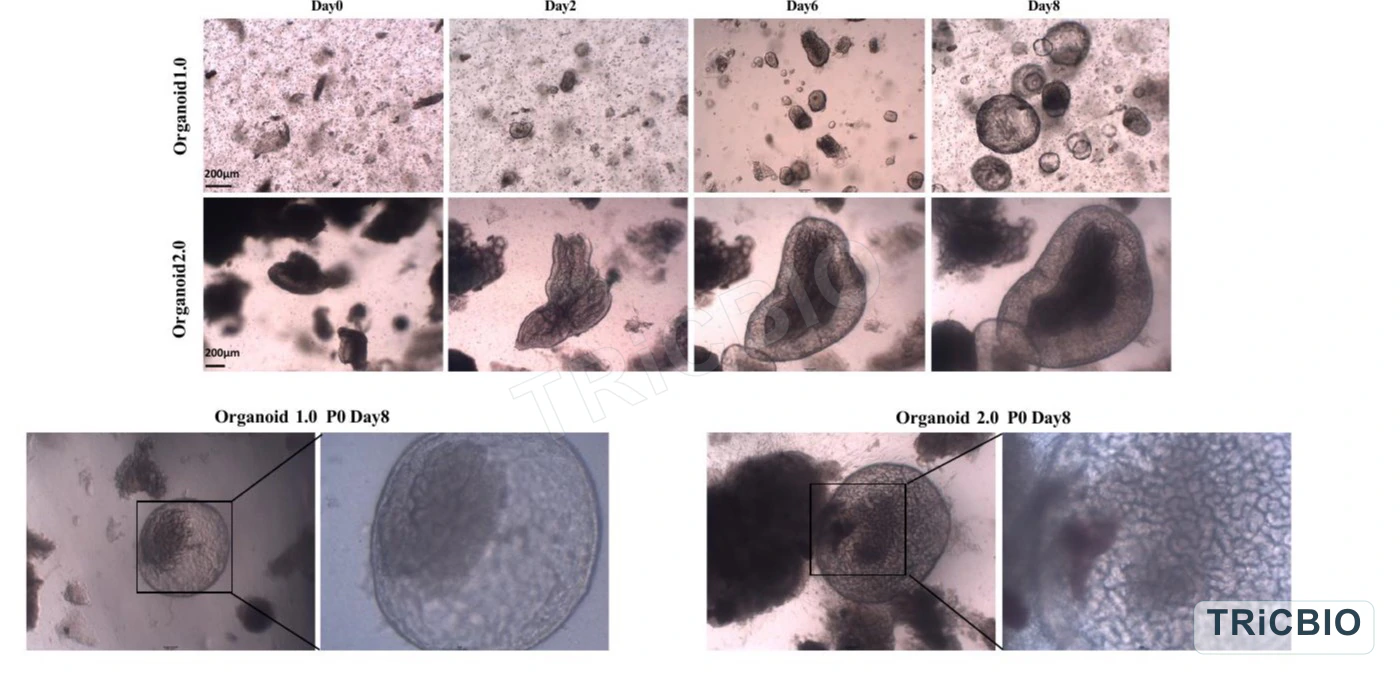
Human fallopian tube organoids with serial culture morphology and source-tissue/organoid H&E comparison, plus study-specific identity and functional assays.
PRODUCT CATALOG
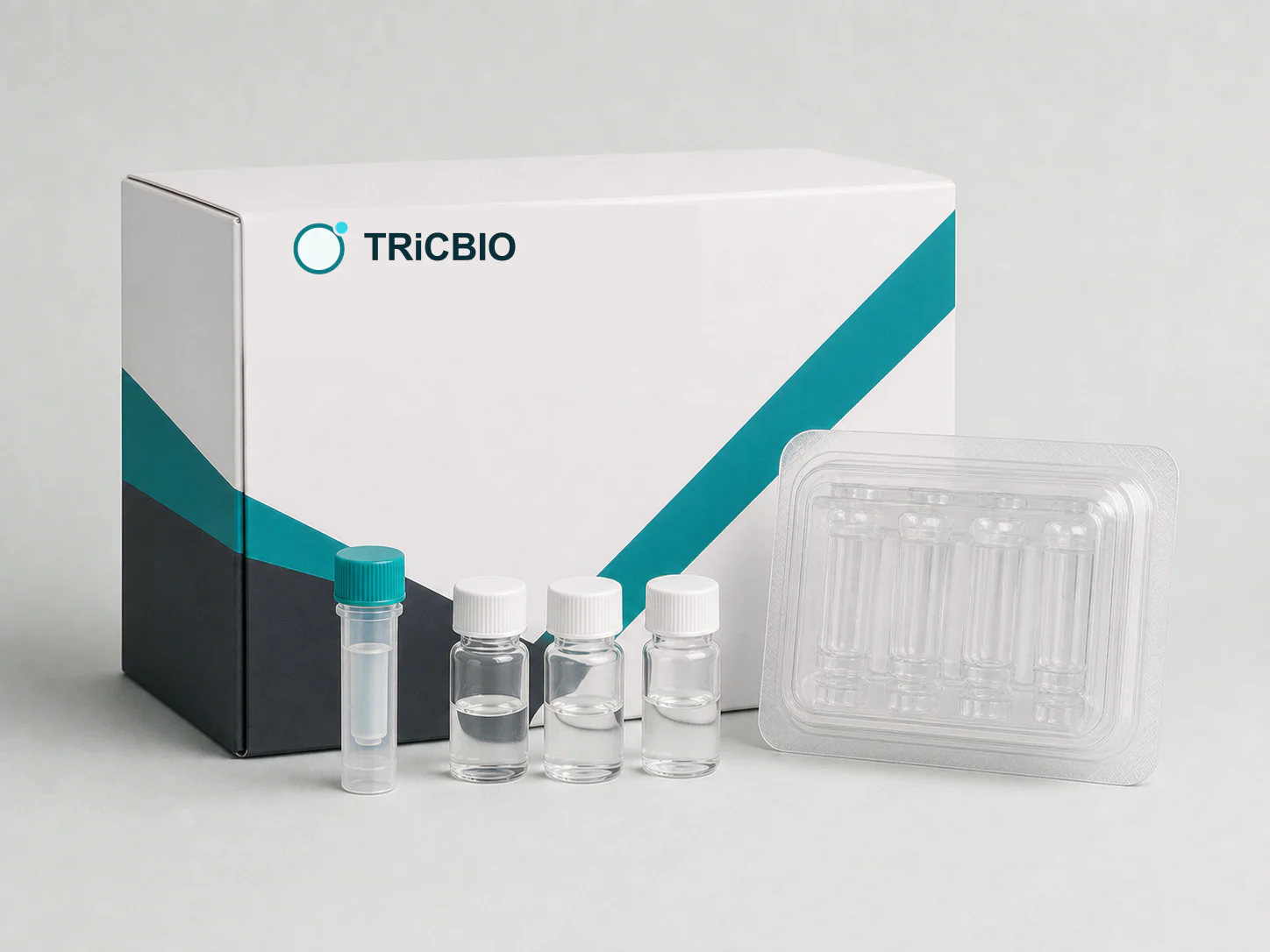
A starter kit for PDO 2.0 / ALI recovery and initial culture, with protocol guidance and technical support.
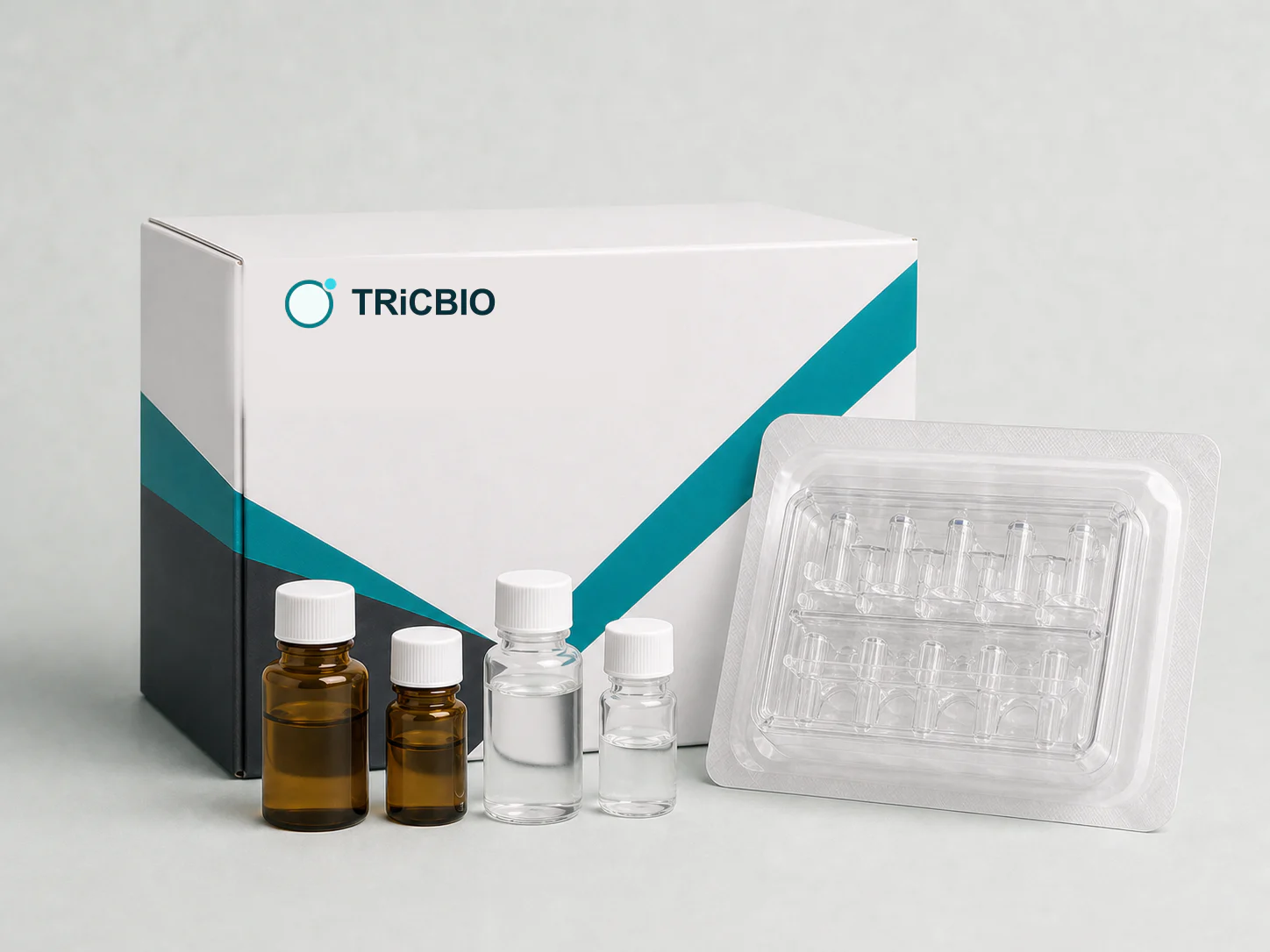
Core reagents for teams with ALI experience or preparing to establish a routine PDO 2.0 culture workflow.
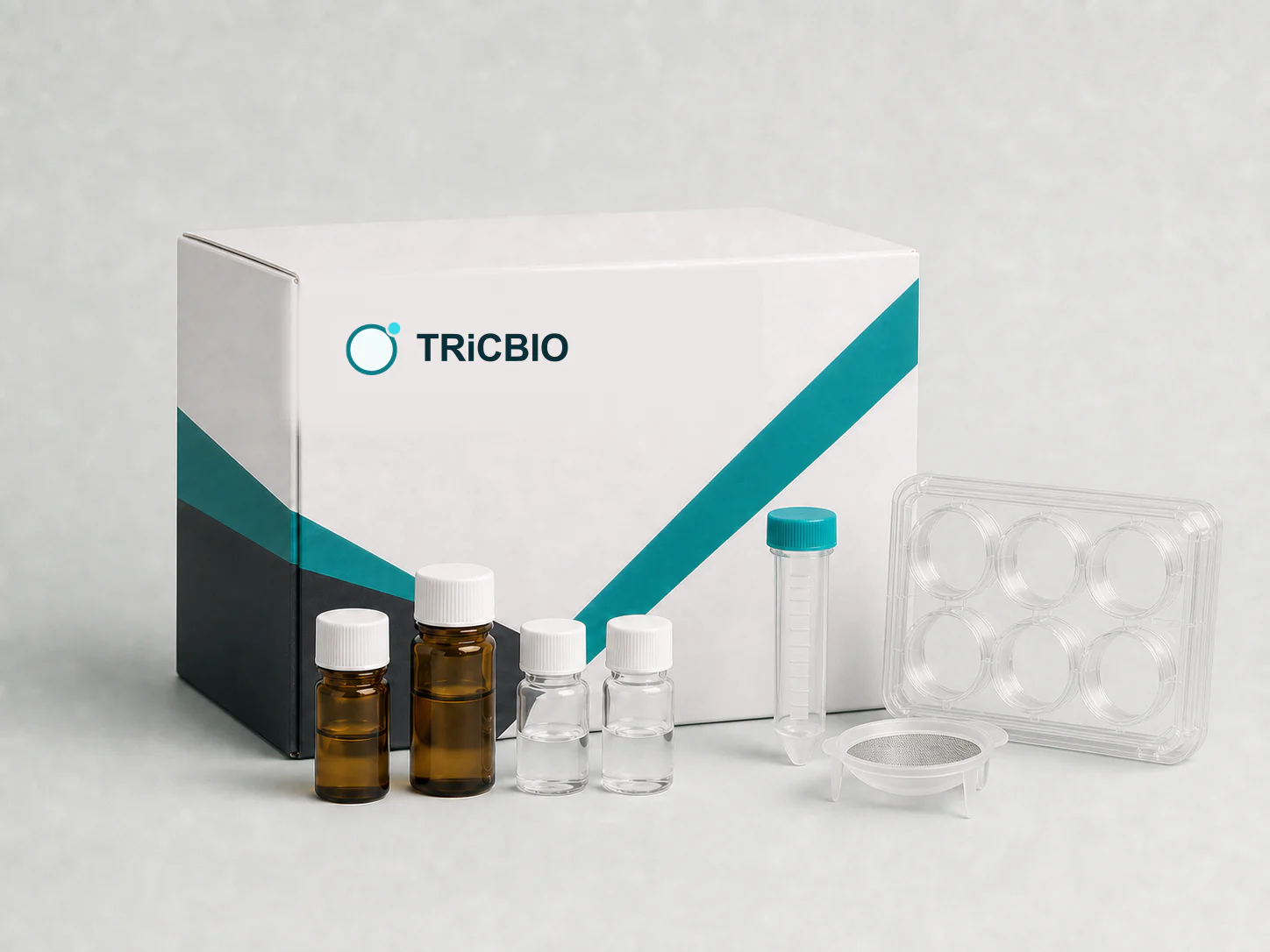
For primary sample processing, organoid establishment, expansion and passaging, with gentle dissociation and workflow guidance matched to the sample.
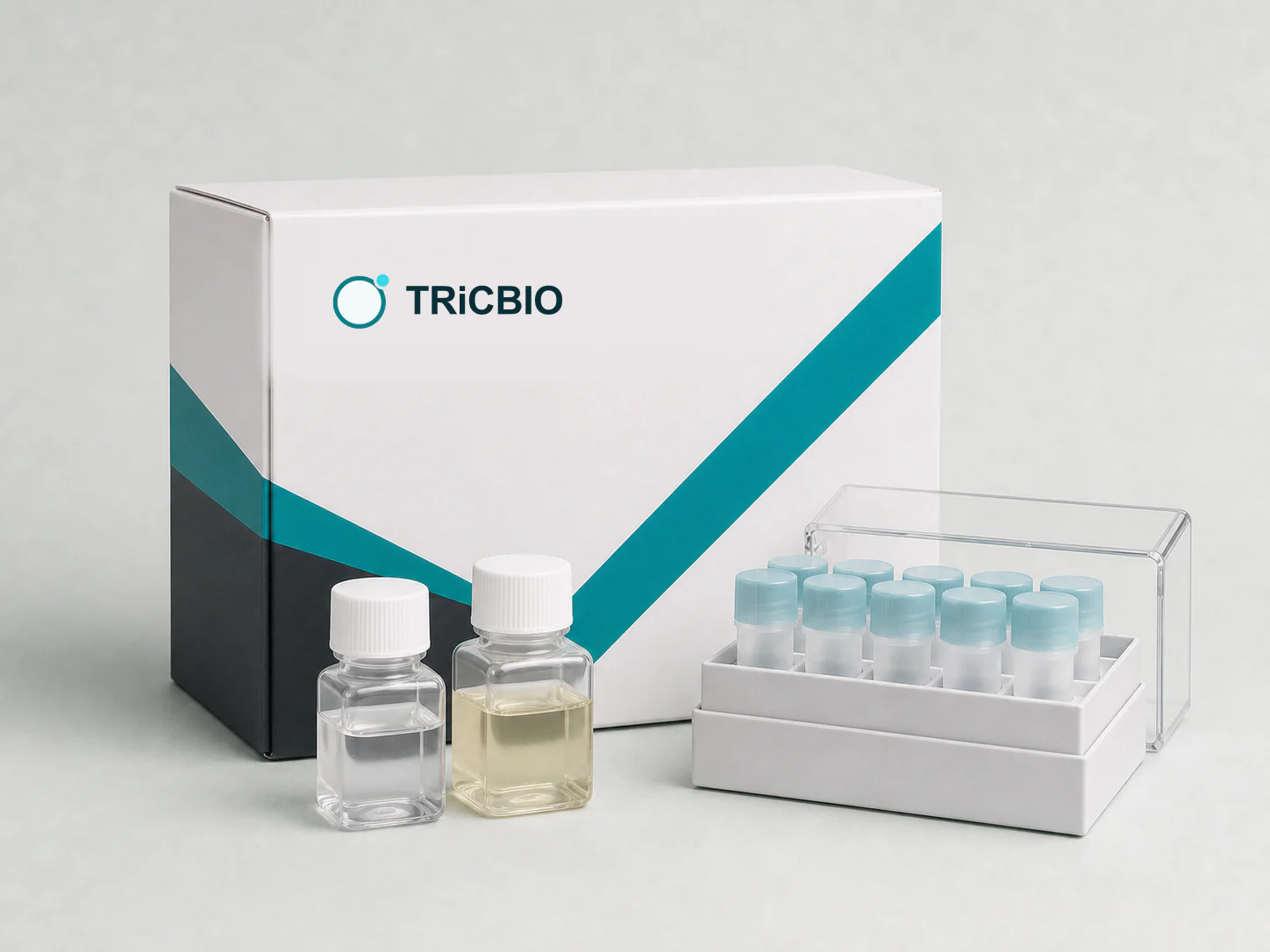
For organoid cryopreservation and post-thaw recovery, supporting model storage and biobanking.
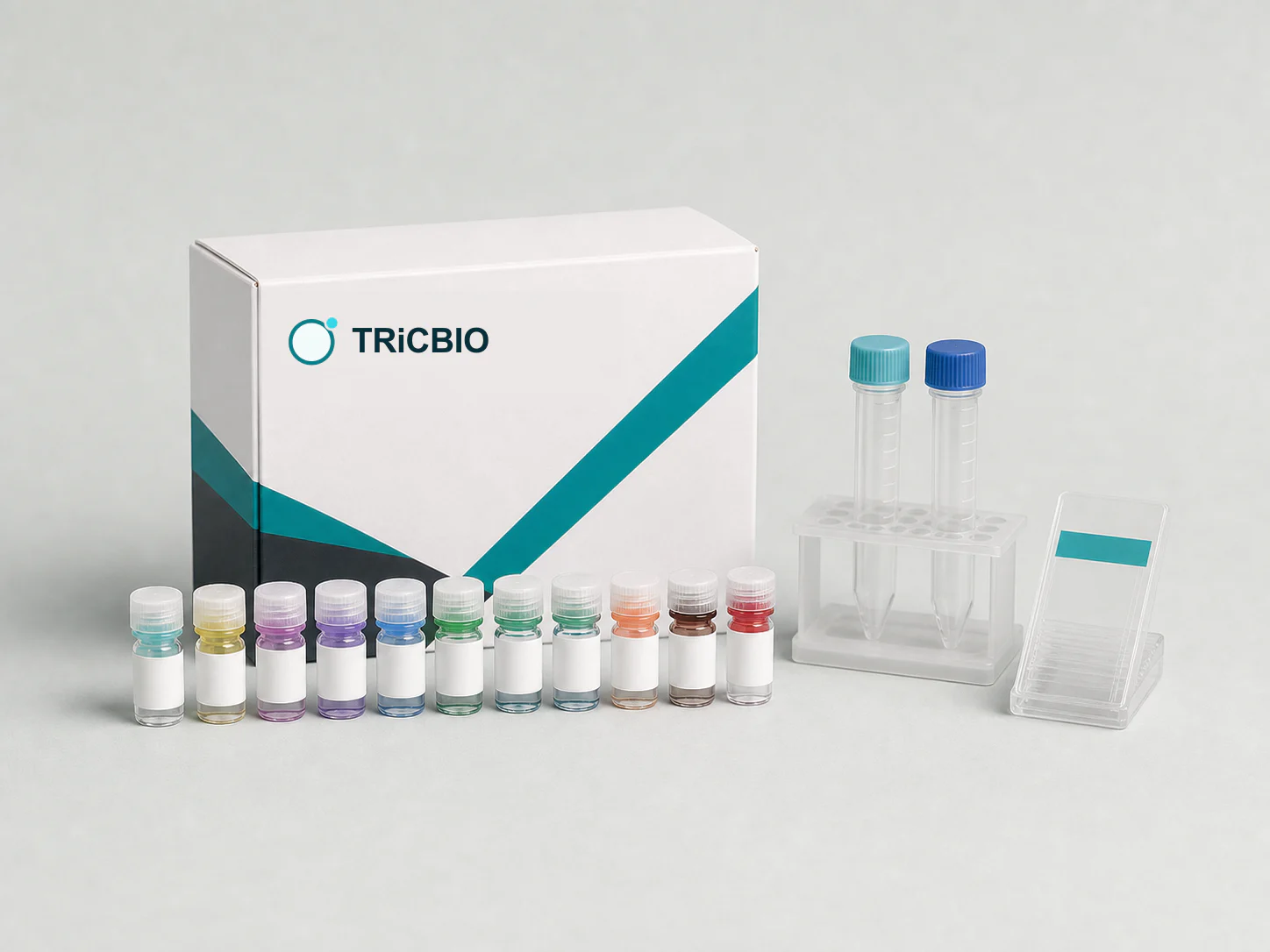
For TME-associated cell profiling by flow cytometry or immunofluorescence, with antibody panels matched to the model and assay platform.
Models & products
Compare tumor PDOs, normal-tissue organoids and disease models by project goal, available assays and collaboration format. Browse options for supplied models, TRiCBIO-run studies and custom development.
Start from a common study combination or select up to three models.
Choosing PDO 1.0 or PDO 2.06 models shown
0 of 3 models selected for comparison
Assess drug-related kidney injury using morphology, nephron markers and molecular readouts; the culture approach is selected by compound mechanism and priority endpoint.
Human lung organoids for pulmonary-injury and candidate studies, combining airway and alveolar cell profiling with changes in tissue morphology.
Organoids from adjacent non-tumor liver tissue for epithelial-biology, drug-exposure and tumor-versus-adjacent-tissue studies.
Study gastric epithelial biology and drug exposure in normal human organoids, with imaging of tissue structure, proliferation and mucin-related markers.
Track morphology and marker expression from primary establishment and passaging through proliferative, secretory and receptive stages, with epithelial-identity profiling throughout.
Human fallopian tube organoids with serial culture morphology and source-tissue/organoid H&E comparison, plus study-specific identity and functional assays.
PRODUCT CATALOG
A starter kit for PDO 2.0 / ALI recovery and initial culture, with protocol guidance and technical support.
Core reagents for teams with ALI experience or preparing to establish a routine PDO 2.0 culture workflow.
For primary sample processing, organoid establishment, expansion and passaging, with gentle dissociation and workflow guidance matched to the sample.
For organoid cryopreservation and post-thaw recovery, supporting model storage and biobanking.
For TME-associated cell profiling by flow cytometry or immunofluorescence, with antibody panels matched to the model and assay platform.