
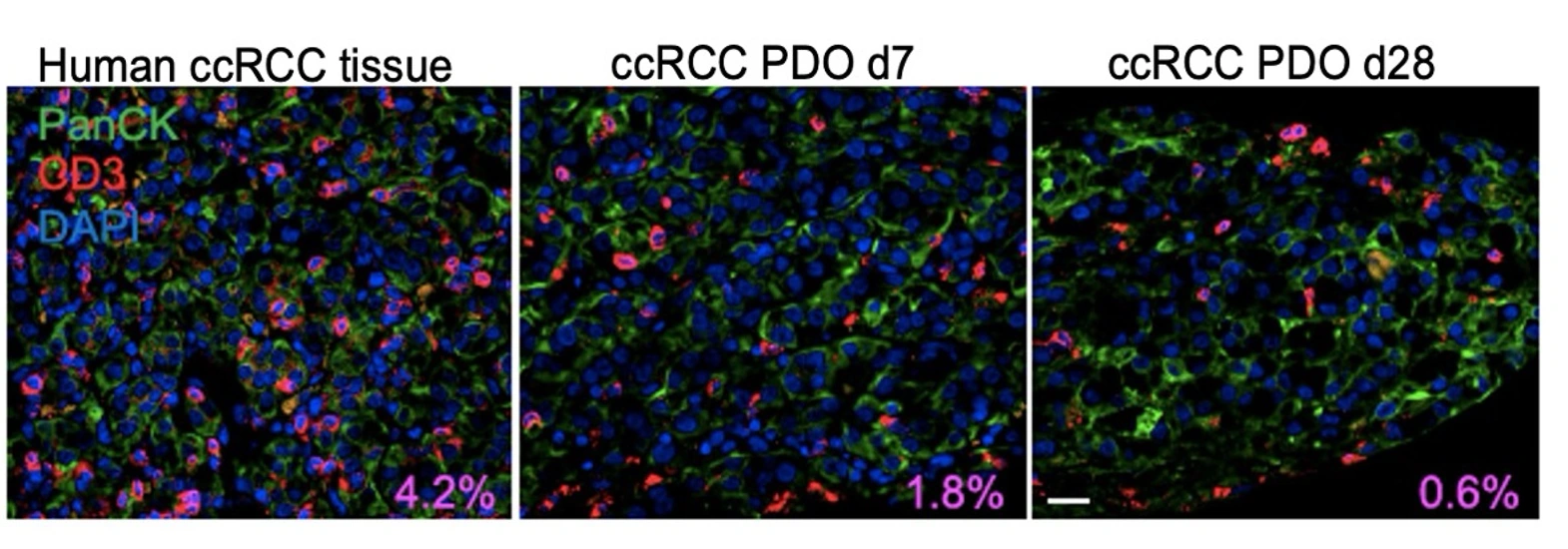
Tumor PDO 2.0
An ALI-based tumor model for studying treatment response alongside source-tissue architecture and immune cells retained from the sample.
CD3CD4CD8
Models & products
Compare tumor PDOs, normal-tissue organoids and disease models by project goal, available assays and collaboration format. Browse options for supplied models, TRiCBIO-run studies and custom development.
Start from a common study combination or select up to three models.
Choosing PDO 1.0 or PDO 2.07 models shown
0 of 3 models selected for comparison
An ALI-based tumor model for studying treatment response alongside source-tissue architecture and immune cells retained from the sample.
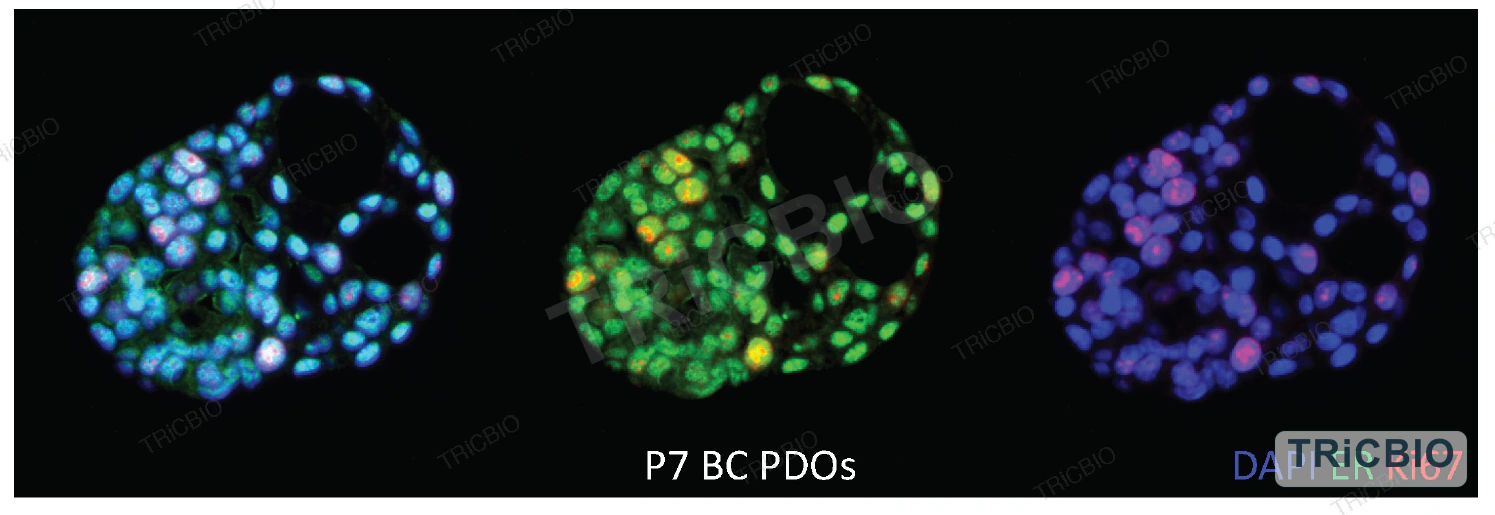
Patient-derived breast tumor organoids for single-agent and combination studies, with PDO 2.0 / ALI considered when immune context is relevant.
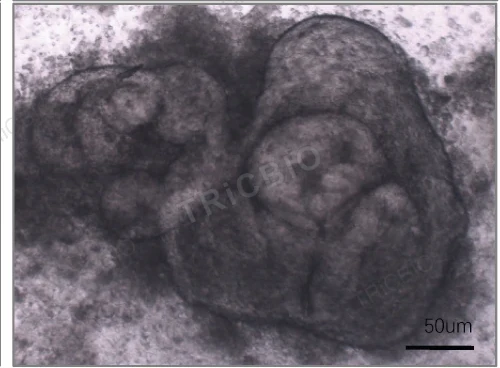
Established from primary or metastatic colorectal tumors to compare drug response, tissue features and inter-sample differences.
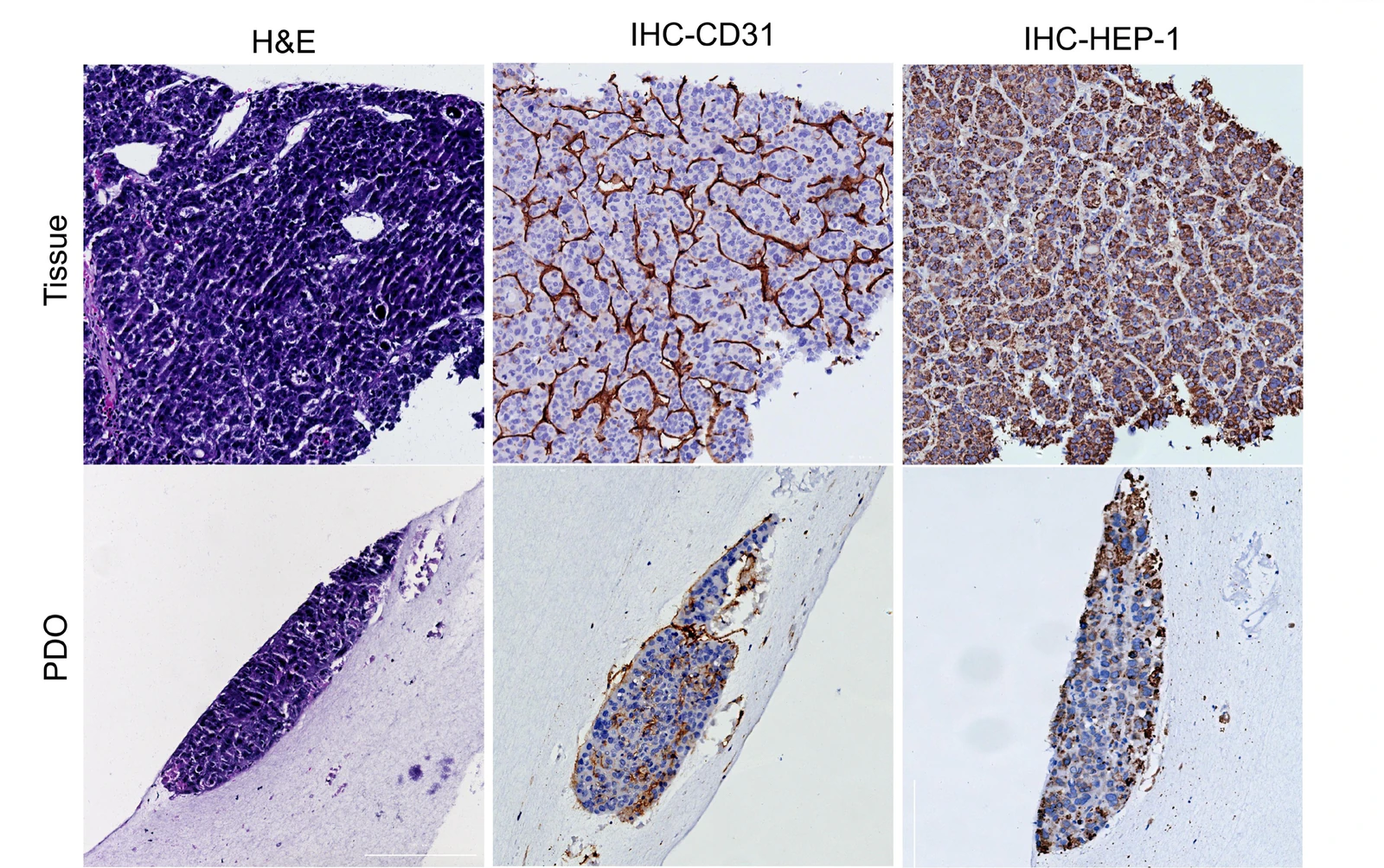
Use conventional PDOs for HCC efficacy studies. Immunotherapy or anti-angiogenic programs can add PDO 2.0, vascular-marker profiling or a purpose-built co-culture.
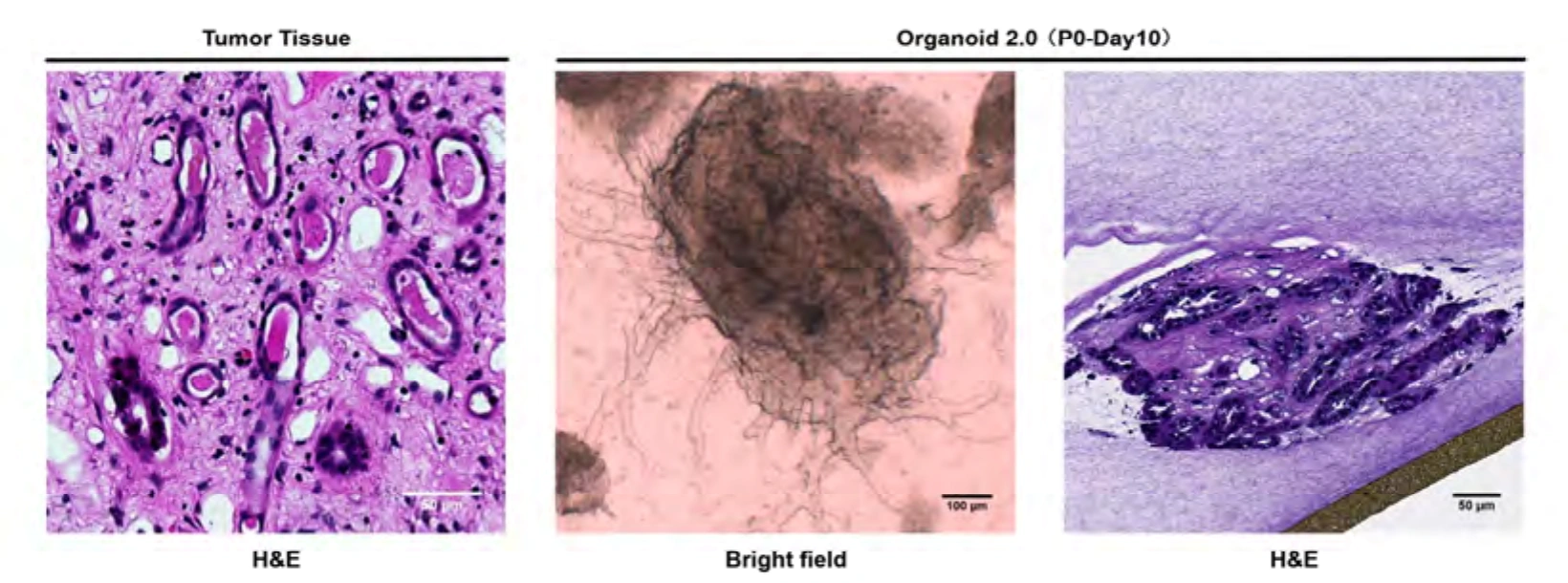
A renal cancer PDO system for evaluating responses to targeted and immune therapies using apoptosis and immune-cell activation readouts.
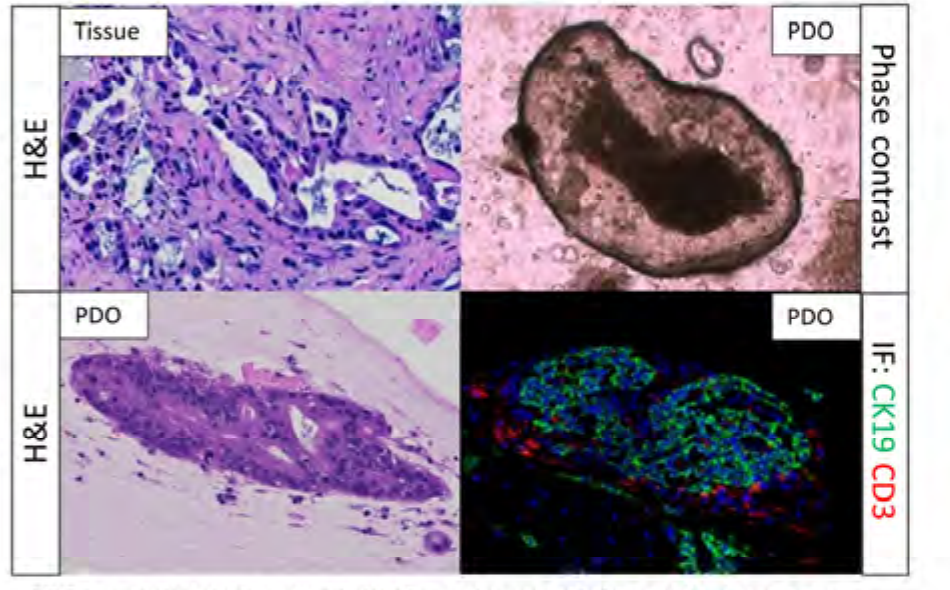
Use conventional PDOs for pancreatic epithelial and drug-response studies, with ALI or custom co-culture added when stromal or immune context is important.
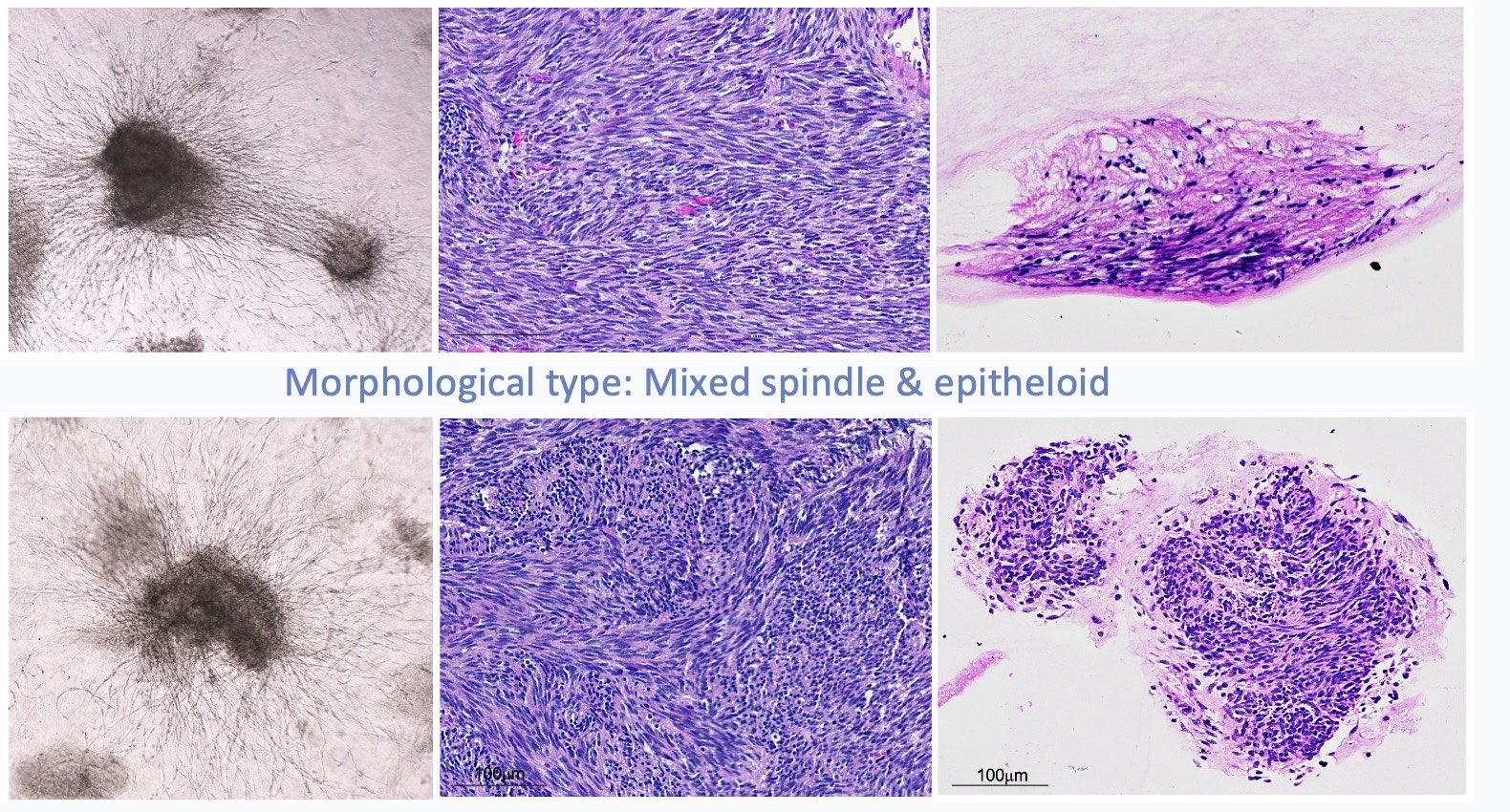
Case-specific model development, phenotype profiling and candidate-response studies for GIST, osteosarcoma and related tumors.
PRODUCT CATALOG
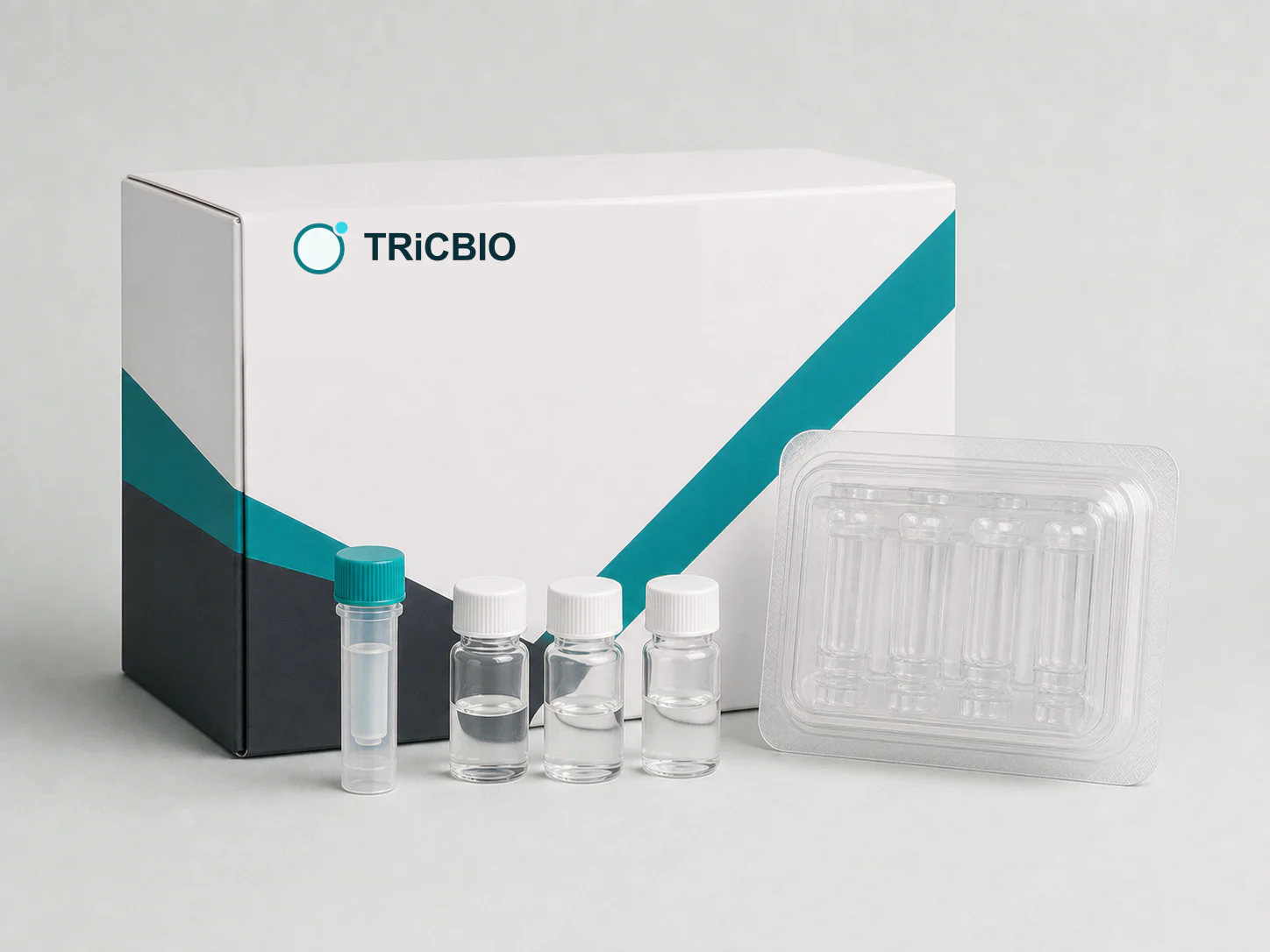
A starter kit for PDO 2.0 / ALI recovery and initial culture, with protocol guidance and technical support.
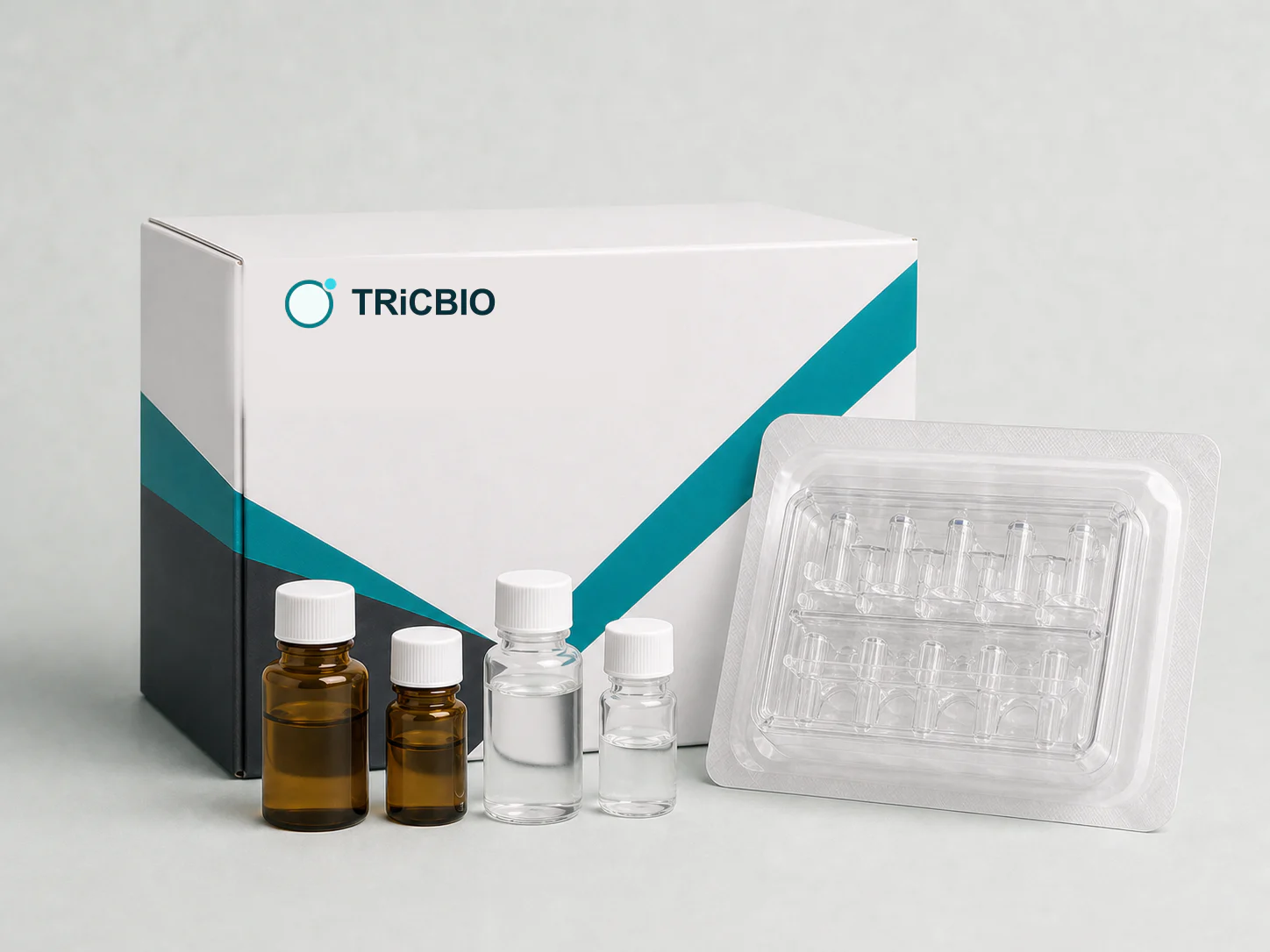
Core reagents for teams with ALI experience or preparing to establish a routine PDO 2.0 culture workflow.
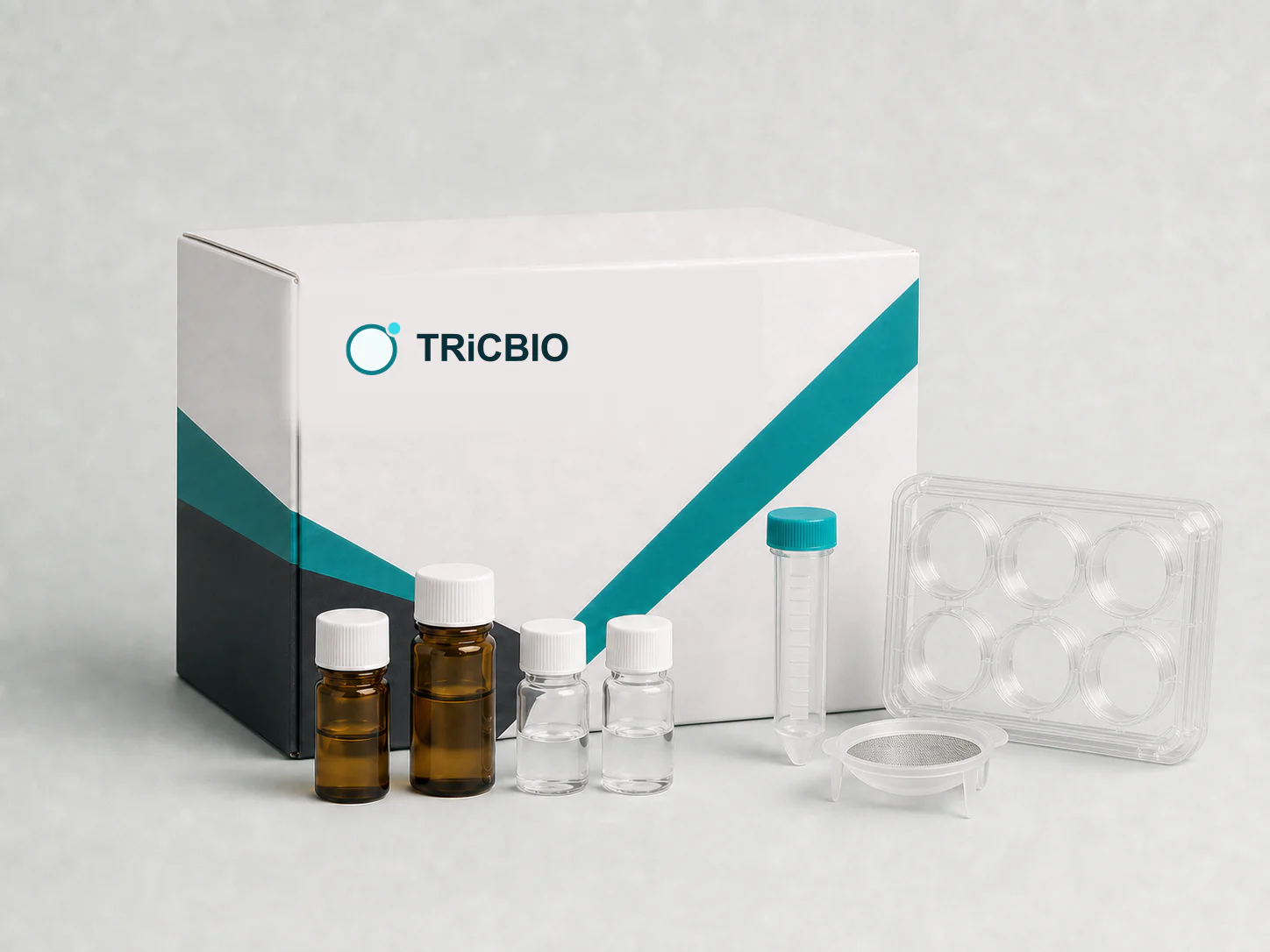
For primary sample processing, organoid establishment, expansion and passaging, with gentle dissociation and workflow guidance matched to the sample.
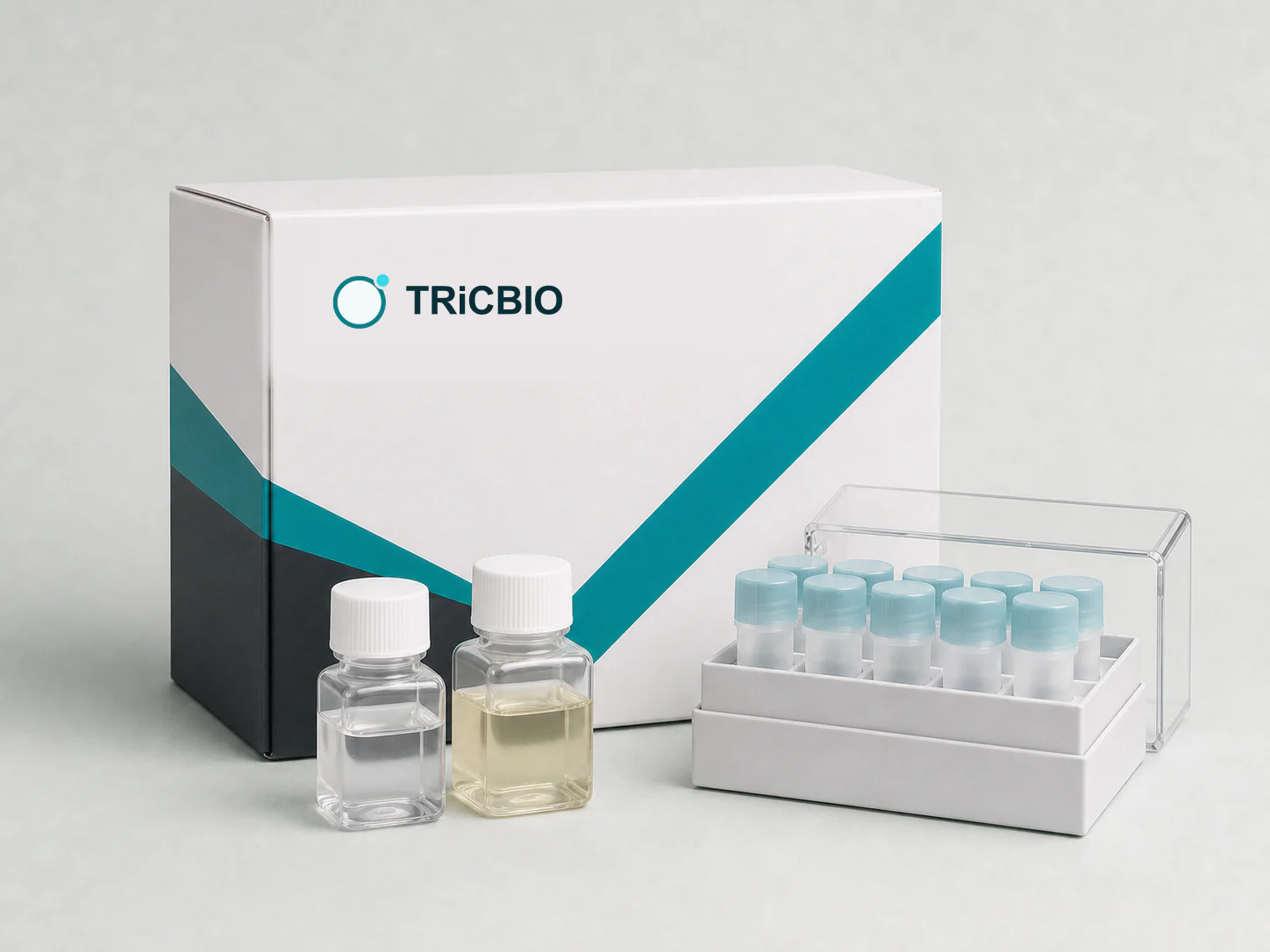
For organoid cryopreservation and post-thaw recovery, supporting model storage and biobanking.
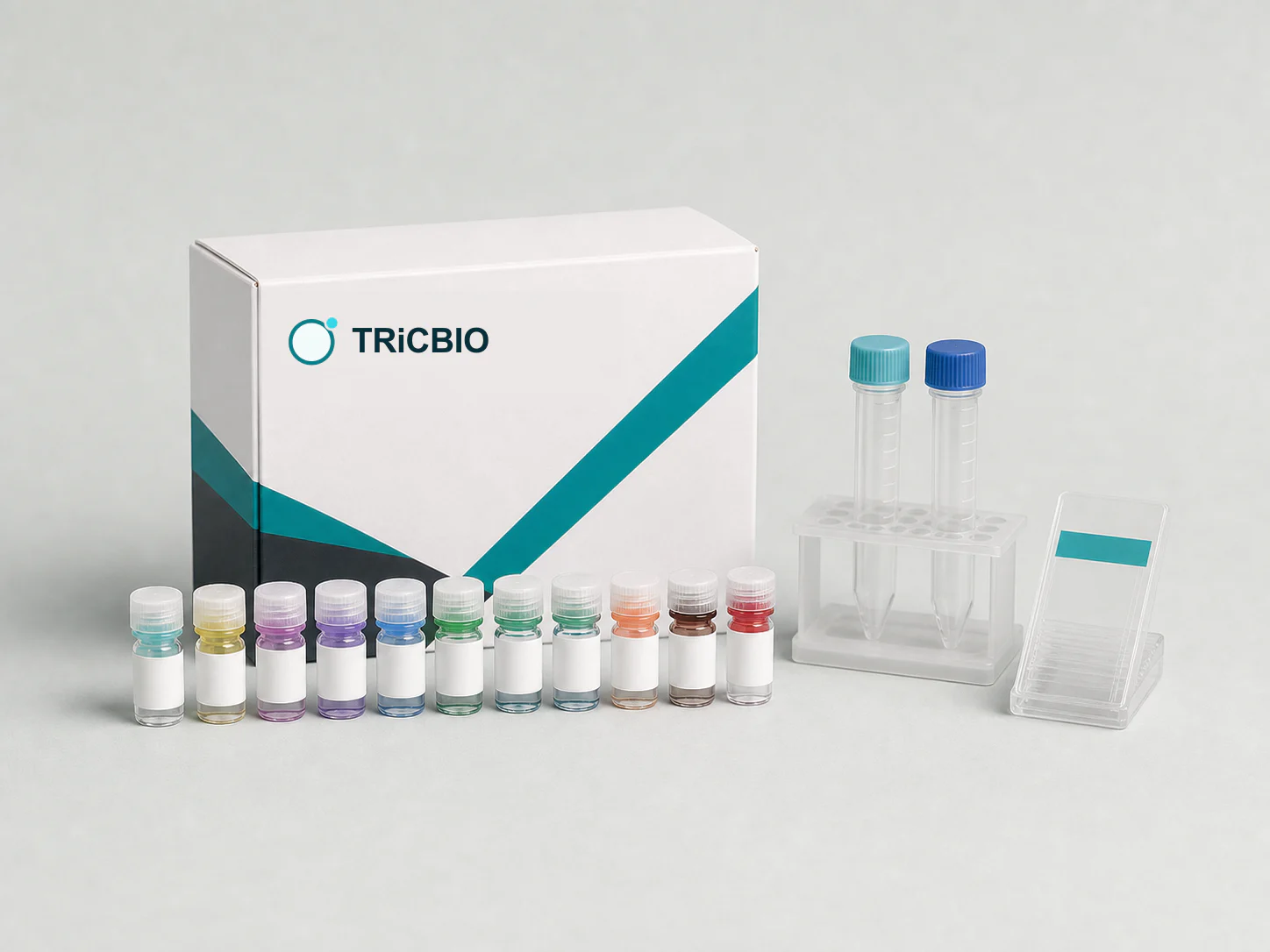
For TME-associated cell profiling by flow cytometry or immunofluorescence, with antibody panels matched to the model and assay platform.
Models & products
Compare tumor PDOs, normal-tissue organoids and disease models by project goal, available assays and collaboration format. Browse options for supplied models, TRiCBIO-run studies and custom development.
Start from a common study combination or select up to three models.
Choosing PDO 1.0 or PDO 2.07 models shown
0 of 3 models selected for comparison
An ALI-based tumor model for studying treatment response alongside source-tissue architecture and immune cells retained from the sample.
Patient-derived breast tumor organoids for single-agent and combination studies, with PDO 2.0 / ALI considered when immune context is relevant.
Established from primary or metastatic colorectal tumors to compare drug response, tissue features and inter-sample differences.
Use conventional PDOs for HCC efficacy studies. Immunotherapy or anti-angiogenic programs can add PDO 2.0, vascular-marker profiling or a purpose-built co-culture.
A renal cancer PDO system for evaluating responses to targeted and immune therapies using apoptosis and immune-cell activation readouts.
Use conventional PDOs for pancreatic epithelial and drug-response studies, with ALI or custom co-culture added when stromal or immune context is important.
Case-specific model development, phenotype profiling and candidate-response studies for GIST, osteosarcoma and related tumors.
PRODUCT CATALOG
A starter kit for PDO 2.0 / ALI recovery and initial culture, with protocol guidance and technical support.
Core reagents for teams with ALI experience or preparing to establish a routine PDO 2.0 culture workflow.
For primary sample processing, organoid establishment, expansion and passaging, with gentle dissociation and workflow guidance matched to the sample.
For organoid cryopreservation and post-thaw recovery, supporting model storage and biobanking.
For TME-associated cell profiling by flow cytometry or immunofluorescence, with antibody panels matched to the model and assay platform.