
Solutions & R&D services
Biopharma & CRO organoid studies
Build an organoid study around your candidate and program priorities across efficacy, immuno-oncology, ADC and safety.
Candidate studies
Candidate evaluation
Compare single agents, dose responses and combinations with modality-relevant efficacy, immune and mechanism readouts.
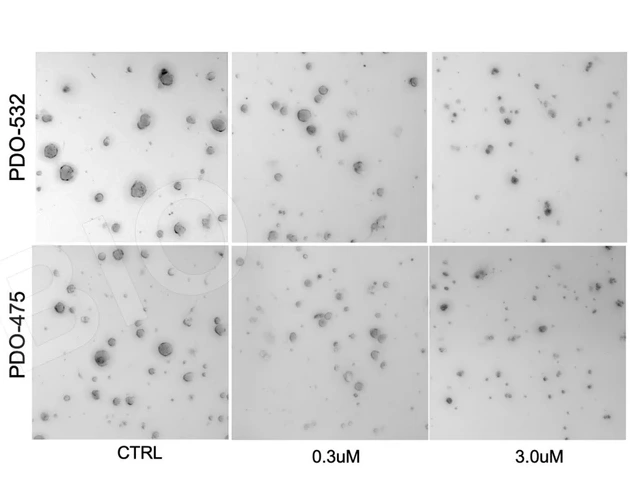 01
01Organoid efficacy screening
Compare single agents, dose responses and combinations in selected organoid models to identify dose-dependent and model-specific candidate responses.
↗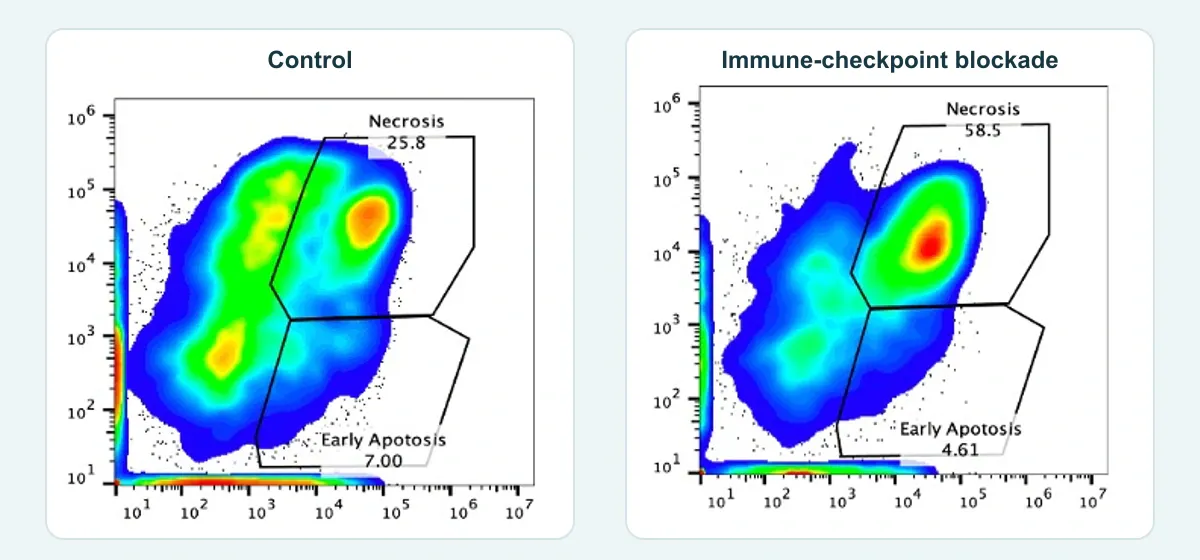 02
02Immuno-oncology
Evaluate immune activation and tumor-cell killing in PDO 2.0 / ALI models or immune co-cultures, with tissue imaging and functional assays tailored to your candidate.
↗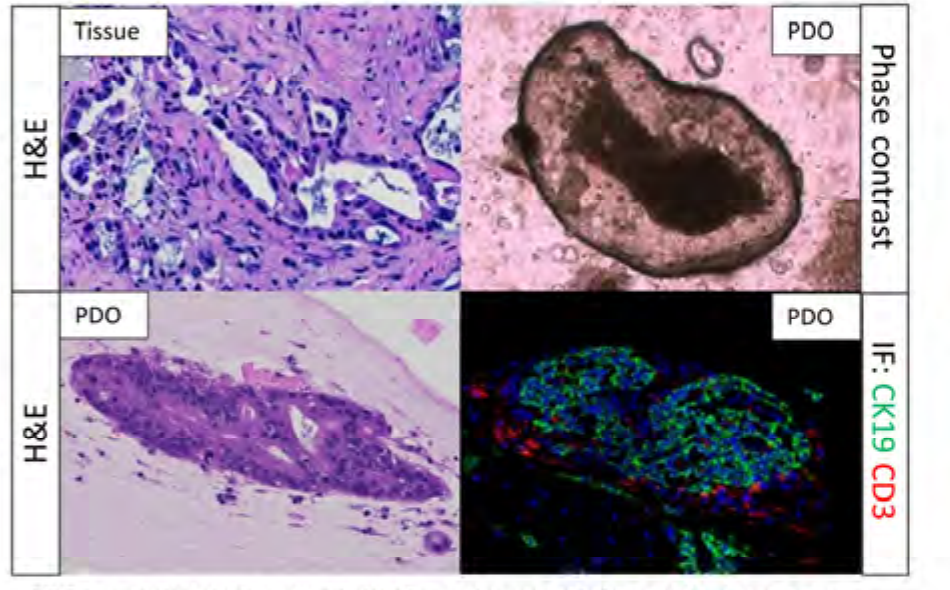 PDAC PDO 2.0 · CK19 and CD3 tissue profiling03
Antibody, multispecific & T-cell engager (TCE) studies
Evaluate antibody, multispecific and T-cell engager (TCE) candidates using target profiling, defined effector-to-target ratios, live-cell or endpoint cytotoxicity and cytokine readouts.
↗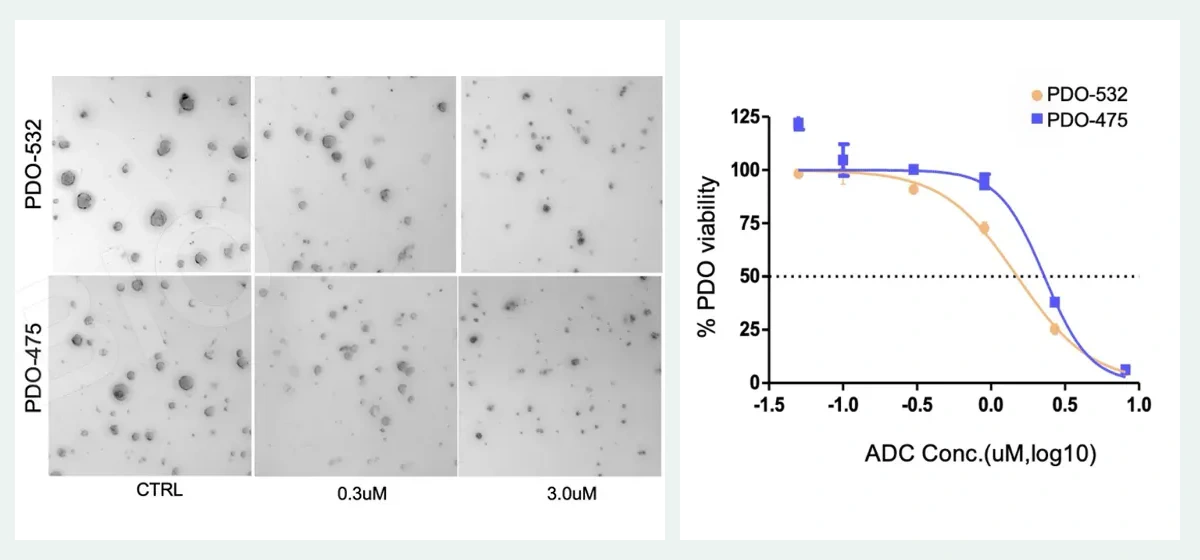 04
04ADC research
Combine target expression, spatial distribution, cytotoxicity and bystander-effect readouts in an organoid study matched to the candidate ADC.
↗Safety & drug delivery
Safety & drug delivery
Assess organ injury and exposure-dependent response windows, then develop barrier-permeability or candidate-transport assays for the relevant tissue system.
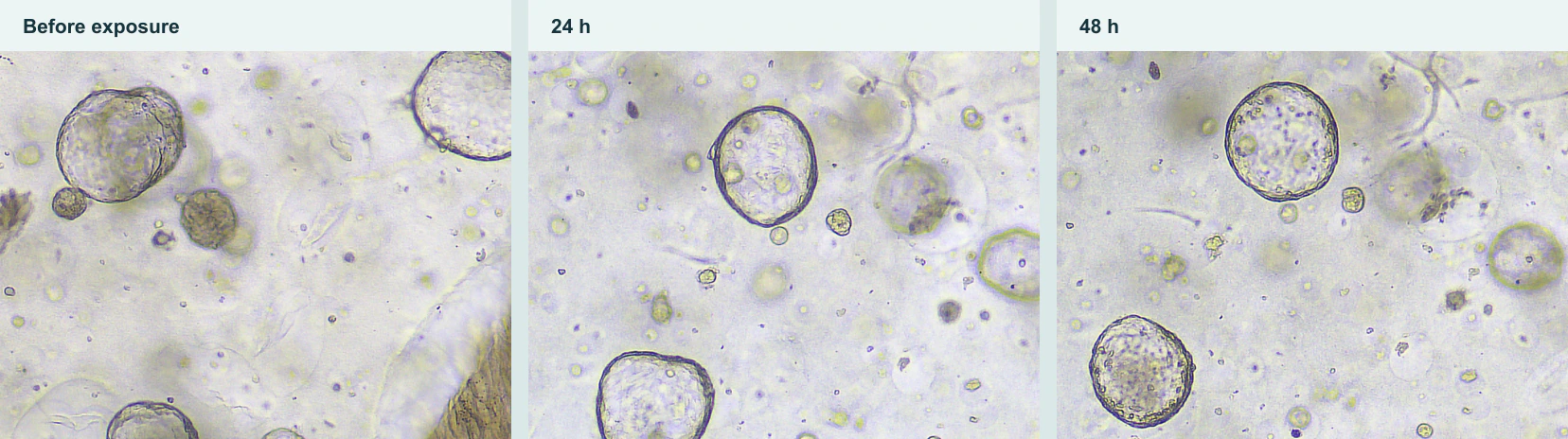 01
01Safety & toxicology
Focus on one priority organ with an injury assessment tailored to the model and candidate, then compare dose and exposure time and investigate the mechanism of tissue damage.
↗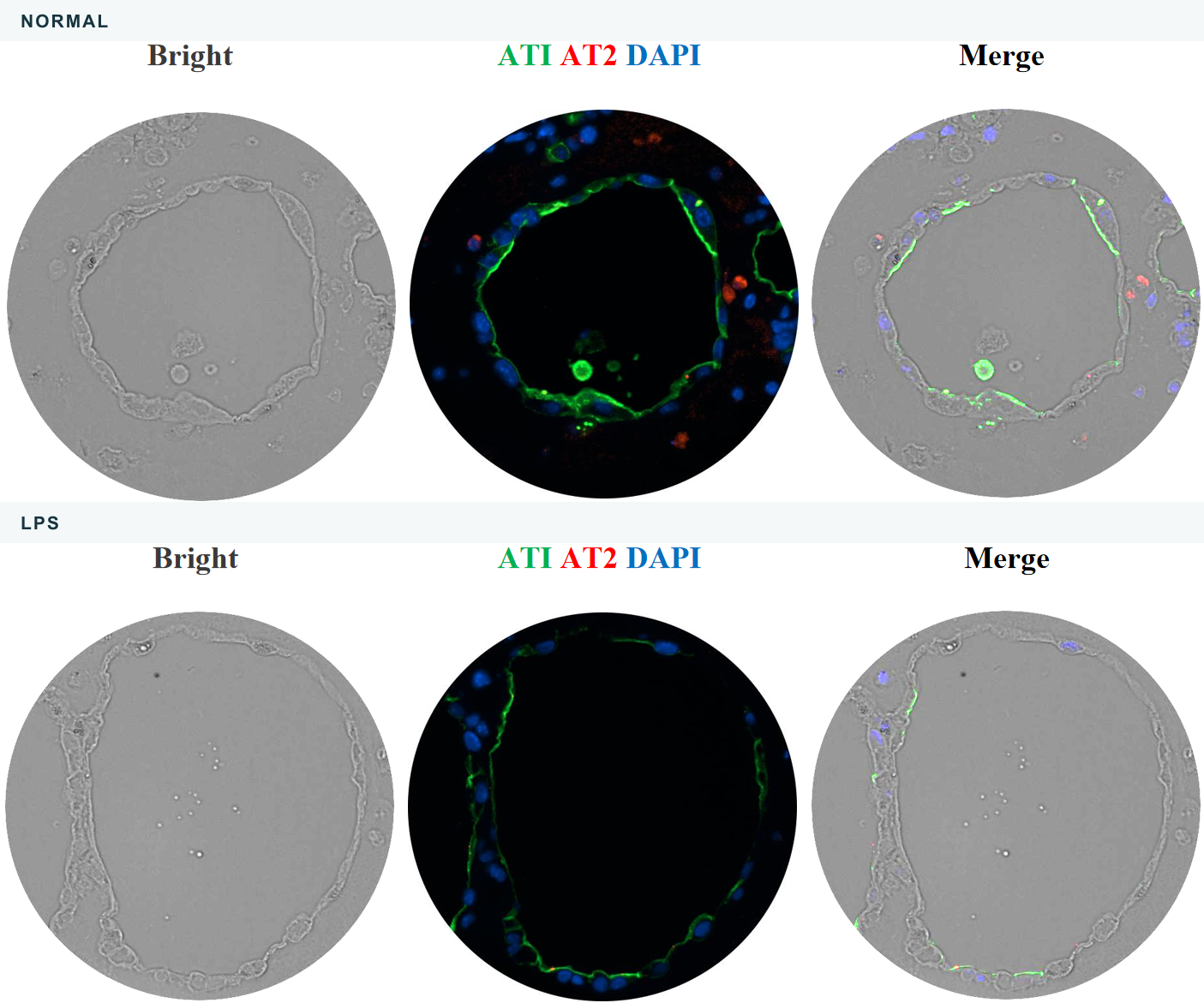 Normal lung · LPS injury
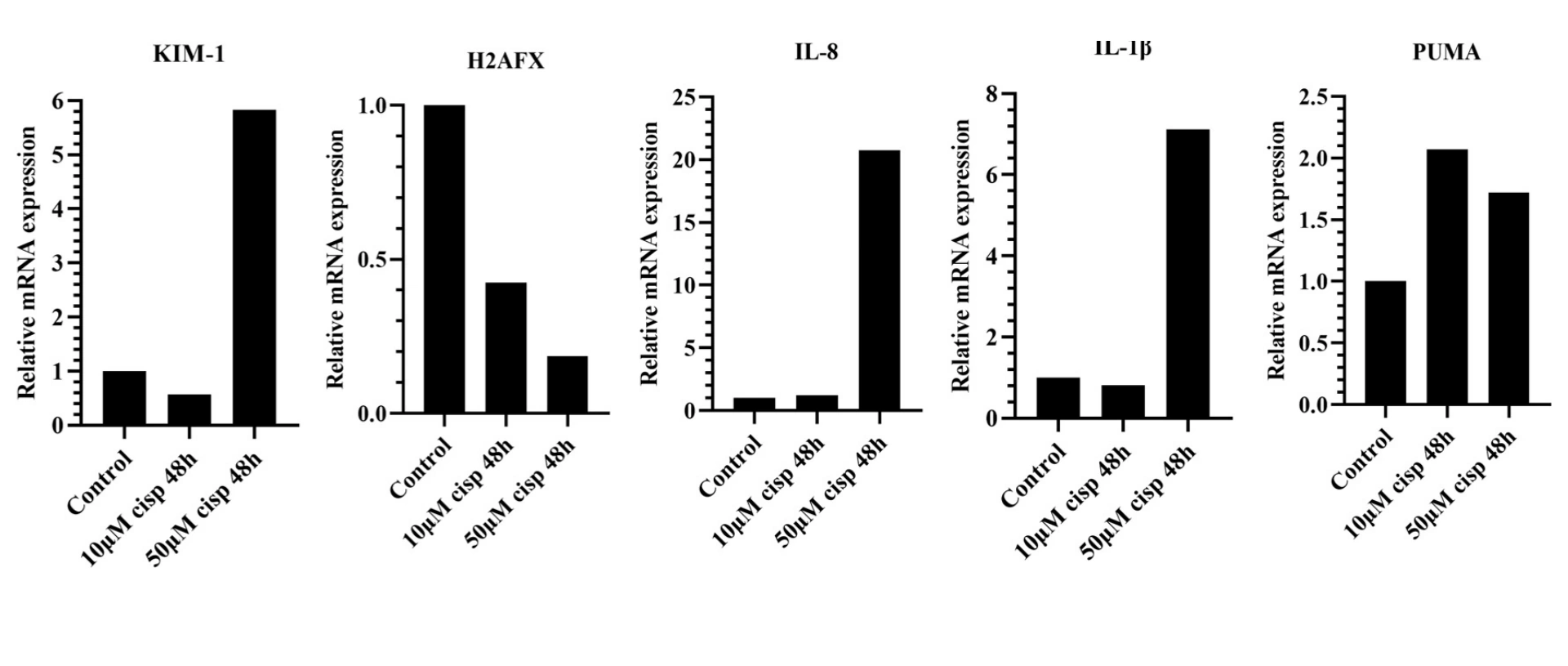 Human kidney organoid · cisplatin response02
Multi-organ safety in human organoids
Compare normal kidney, lung and GI organoids with adjacent non-tumor liver or other relevant models in a coordinated exposure design to rank organ risks and focus follow-up safety studies.
↗Tell us about your candidate, sample context and program priorities; our scientists will recommend the model, assay panel and study plan.