
Candidates requiring a comparable exposure design across several organs to rank risks and focus follow-up safety work.
R&D service
Multi-organ safety in human organoids
Compare normal kidney, lung and GI organoids with adjacent non-tumor liver or other relevant models in a coordinated exposure design to rank organ risks and focus follow-up safety studies.
 View image
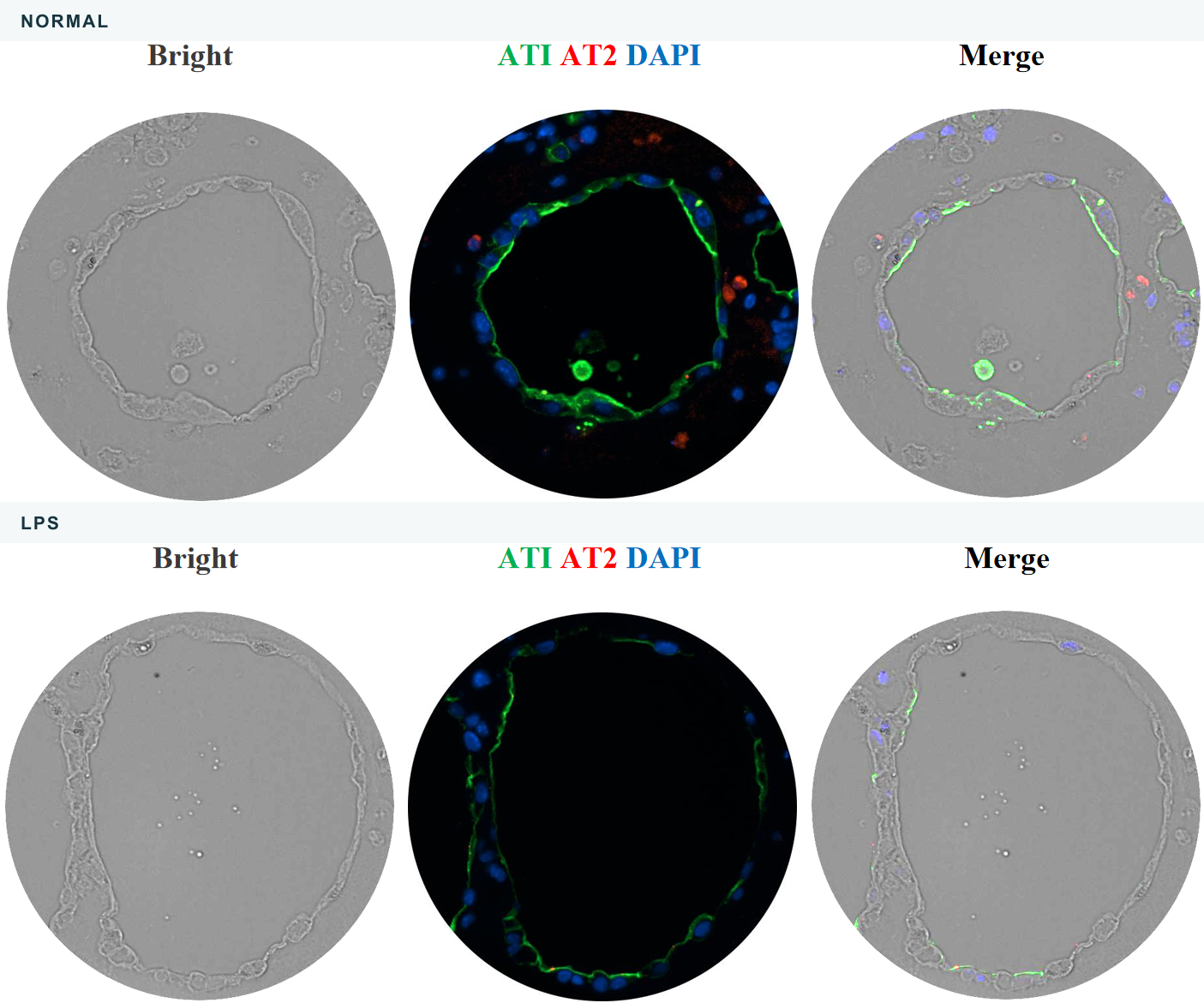
Normal lung organoidsLPS injury & alveolar phenotypes
 View image
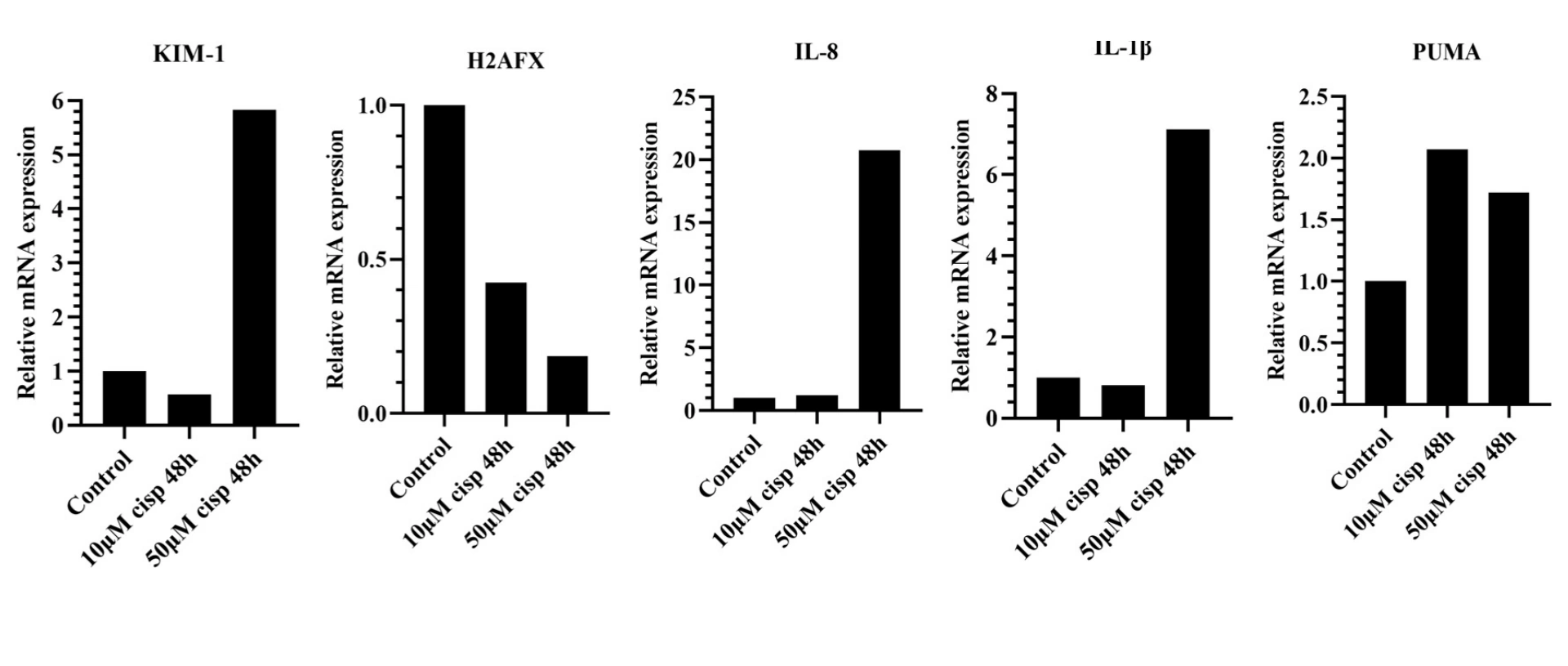
Normal kidney organoidsCisplatin injury & molecular readouts
Lung–kidney safety combination
Compare organ-specific injury in lung and kidney organoids
Lung LPS-injury and kidney cisplatin readouts demonstrate organ-specific safety assays that can be coordinated around candidate risk, exposure, controls and injury endpoints.
Study focus
What this study can help you decide
- 01Which organ risks should be compared first?
- 02How should organ-specific endpoints be aligned within a comparable exposure design?
- 03Which risk signals warrant the next stage of investigation?
STUDY APPROACH
Match the model and assays to your program
Build a panel of normal kidney, lung and GI models plus adjacent non-tumor liver or other relevant systems around mechanism, expected exposure and known risks, with organ-specific identity and functional QC.
Use a comparable exposure and control framework with organ-specific viability, morphology, histology, molecular injury and functional endpoints.
Plan dose and timing around the candidate, with exposure conditions, vehicle and positive-injury controls tailored to each organ and QC for each model batch.
Compare organ-specific signals in exposure context, rank priority risks and select the mechanism, recovery or in vivo studies to run next.
Study workflow
Build the study around priority organ risks
The organs that matter most depend on a candidate's mechanism, expected exposure and known risks of related drugs. TRiCBIO selects normal-tissue models and organ-specific injury and functional endpoints to identify early risk signals and guide the next studies.
Risk ranking and model panel
Use target distribution, modality, expected exposure and known risk to prioritize organs and build a model panel matched to each program.
Model selection and assay development
Build on kidney drug-injury data and normal-lung LPS studies. Develop additional endpoints in adjacent non-tumor liver, gastric or female-reproductive models from culture and identity profiling; assess IBD models for inflammation or barrier questions.
Exposure design and injury readouts
Set dose, timing, controls and sampling windows for each organ, then measure organ-specific responses through morphology, viability, histology, barrier, molecular-injury or functional readouts.
Integrated interpretation and study extension
Separate treatment-associated injury from culture and differentiation state, then prioritize added batches, mechanism work or confirmation in another model.
Study images and readouts
Use model identity to support organ-specific endpoint selection
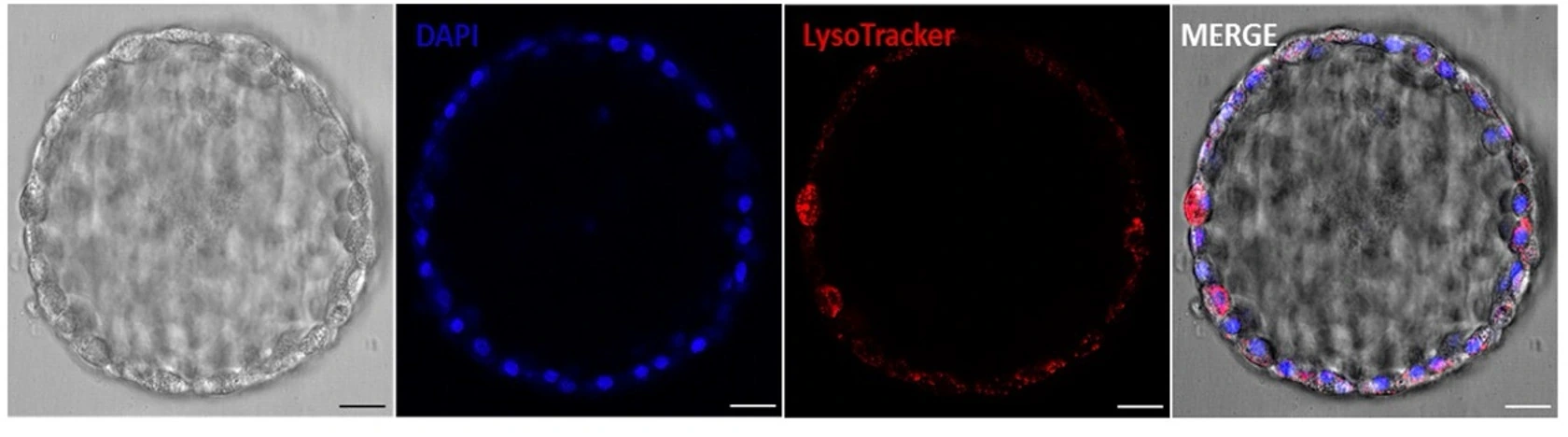
ATII-associated LysoTracker signal characterizes an alveolar-associated phenotype, while nephron immunofluorescence profiles kidney-model identity. Together with the LPS and cisplatin studies, these data guide organ-specific injury endpoints for lung and kidney models.
 View image
Alveolar model profiling: bright-field, DAPI, LysoTracker and merged views show organoid morphology and ATII-associated acidic-organelle signal.
Model & assay dataView the lung and kidney organoid studies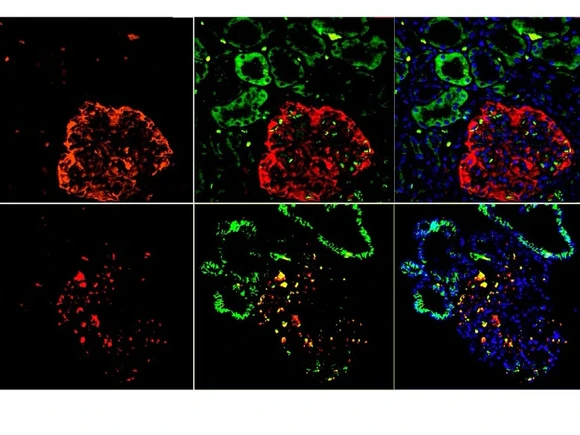 View image
Nephron profiling: two immunofluorescence rows show podocyte and tubule structures for organ- and cell-type-related injury assays.
Model & assay dataView the lung and kidney organoid studiesExpected study outputs
What you receive
Organ-specific model QC
For each organ model, receive model identity, functional QC results and the injury endpoints used in the study.
Results by organ
Receive viability, morphology, histology or molecular injury data alongside each organ's exposure conditions, controls and sampling times, so differences can be interpreted in context.
Integrated interpretation of risk signals
A summary of organ-specific risk signals, model performance and candidate-specific differences, with priority organs and follow-up study recommendations.
Relevant model systems
Build the model panel around organ risk
Start with normal kidney, lung, liver and gastric models, then select organs and endpoints around candidate mechanism, exposure and known risks.
Each organ model uses its own identity QC, injury endpoints and acceptance criteria, with endometrial and fallopian models available through tailored studies. Results support early organ-injury signal identification, candidate comparison and follow-on study design, complementing exposure, in vivo and GLP/regulatory toxicology evidence.
PROJECT DISCUSSION
Plan a risk-directed multi-organ study
Start with the candidate, exposure conditions and organ risks that need priority comparison. Our team will assemble the organ panel and complementary injury endpoints.