
Candidate and exposure
Modality, concentration range, exposure time and control conditions.
Study gastric epithelial biology and drug exposure in normal human organoids, with imaging of tissue structure, proliferation and mucin-related markers.
Normal human gastric tissue, with sample origin and context integrated into study design
3D culture · Serial passaging
TRiCBIO normal gastric organoid culture and characterization data
Model characterization
Culture morphology, histology and tissue-lineage markers establish the model profile and guide selection of subsequent efficacy, safety or functional endpoints.
 View image
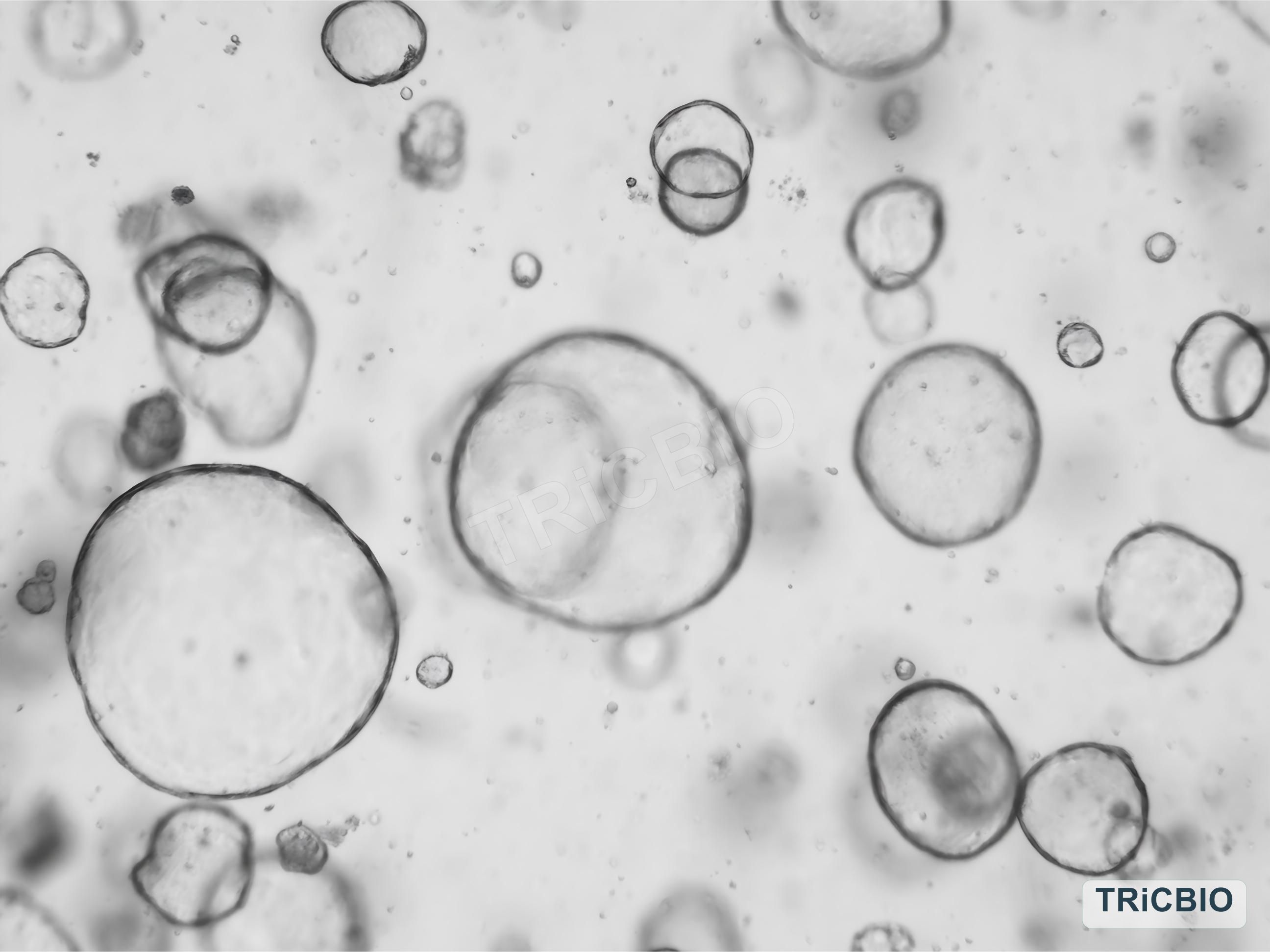
Culture morphology: a bright-field image shows normal gastric organoid growth in 3D culture.
Model & assay data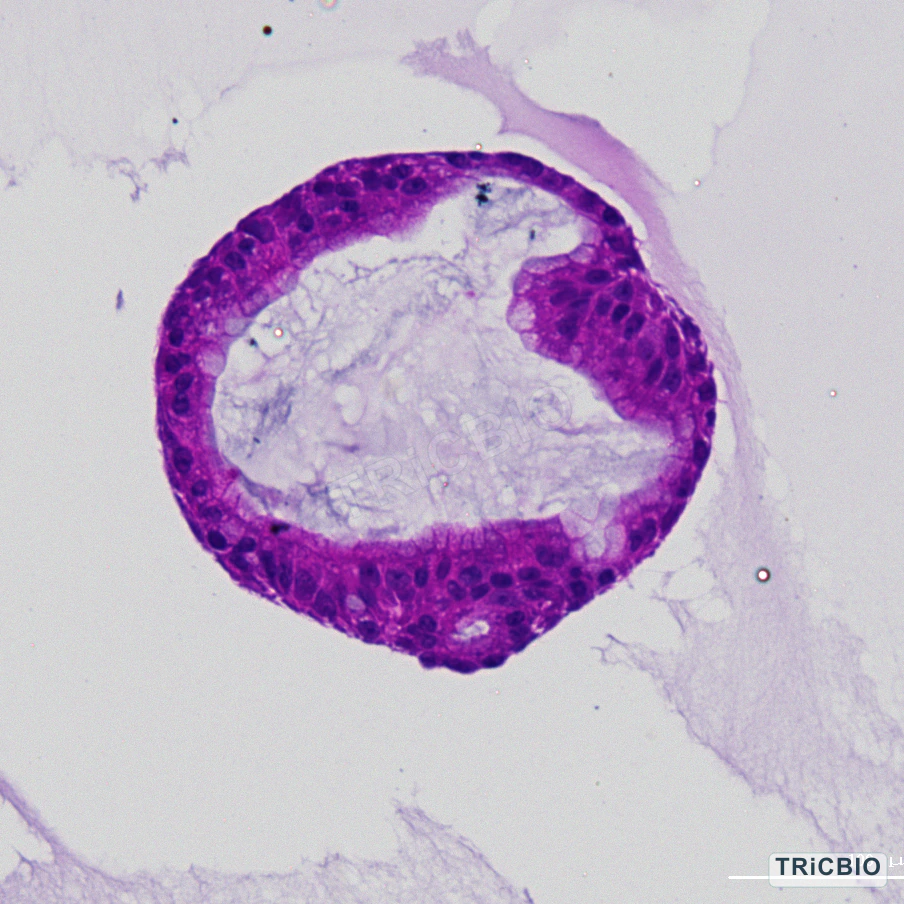 View image
Histology: H&E is used to evaluate epithelial organization and lumen-like structure.
Model & assay data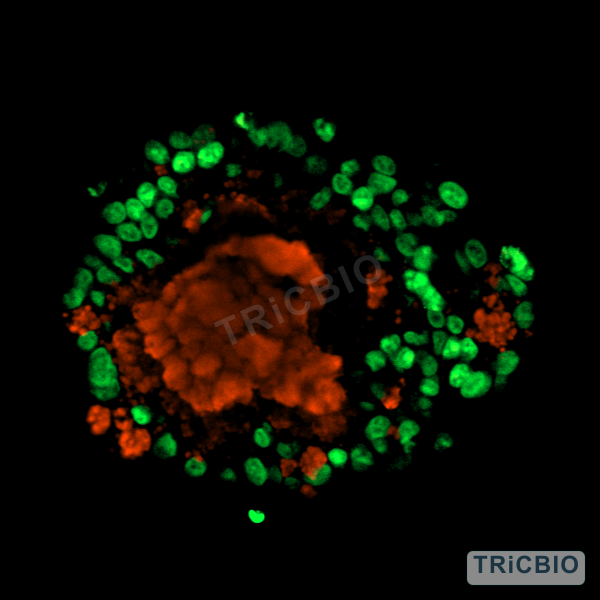 View image
Immunofluorescence: Ki67 and mucin-associated signals add proliferation and secretory context.
Model & assay data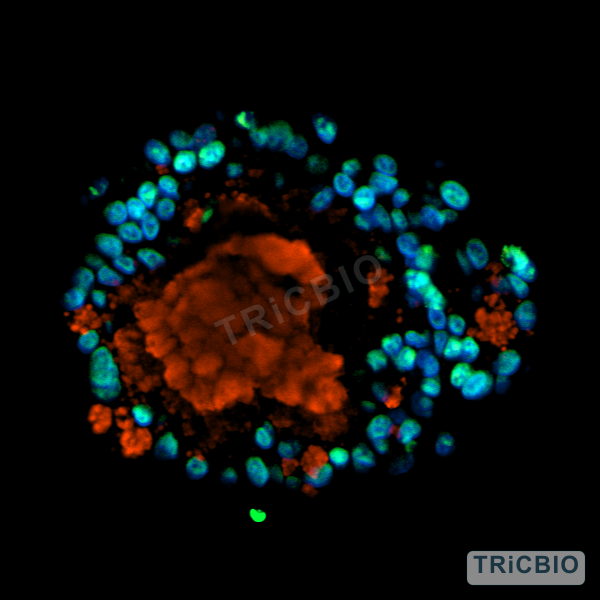 View image
Additional field: proliferation and mucin signals across organoid structures are interpreted with culture, passaging and histology results to assess model status.
Model & assay dataStudy planning
Candidate exposure and the priority organ-safety or functional endpoints shape the model conditions, dosing and readouts.
Modality, concentration range, exposure time and control conditions.
Priority organ-injury, efficacy or functional endpoints, together with the readouts needed to interpret them.
Required culture format, study batches, raw data, images and reporting needs.
Research applications
Assays & QC
QC combines P0–P2 morphology, H&E, Ki67 and mucin-associated immunofluorescence.
Study & delivery
Choose model establishment, passaging or dosing studies. Typical deliverables include imaging, histology and a study report.
Related solutions
PROJECT DISCUSSION
Candidate profile, expected exposure and priority organ risk determine dose conditions, controls and injury or functional endpoints for the normal gastric organoid.
Study gastric epithelial biology and drug exposure in normal human organoids, with imaging of tissue structure, proliferation and mucin-related markers.
Normal human gastric tissue, with sample origin and context integrated into study design
3D culture · Serial passaging
TRiCBIO normal gastric organoid culture and characterization data
Model characterization
Culture morphology, histology and tissue-lineage markers establish the model profile and guide selection of subsequent efficacy, safety or functional endpoints.
View imageCulture morphology: a bright-field image shows normal gastric organoid growth in 3D culture.
Model & assay dataView imageHistology: H&E is used to evaluate epithelial organization and lumen-like structure.
Model & assay dataView imageImmunofluorescence: Ki67 and mucin-associated signals add proliferation and secretory context.
Model & assay dataView imageAdditional field: proliferation and mucin signals across organoid structures are interpreted with culture, passaging and histology results to assess model status.
Model & assay dataStudy planning
Candidate exposure and the priority organ-safety or functional endpoints shape the model conditions, dosing and readouts.
Modality, concentration range, exposure time and control conditions.
Priority organ-injury, efficacy or functional endpoints, together with the readouts needed to interpret them.
Required culture format, study batches, raw data, images and reporting needs.
Research applications
Assays & QC
QC combines P0–P2 morphology, H&E, Ki67 and mucin-associated immunofluorescence.
Study & delivery
Choose model establishment, passaging or dosing studies. Typical deliverables include imaging, histology and a study report.
Related solutions
PROJECT DISCUSSION
Candidate profile, expected exposure and priority organ risk determine dose conditions, controls and injury or functional endpoints for the normal gastric organoid.