
Application
Cell & gene therapy studies
Use human organoids for gene delivery, genetic perturbation and co-culture studies with therapeutic cells, with functional, mechanistic and safety readouts matched to the program.
Two study approaches
Match gene delivery or therapeutic-cell function to the target model
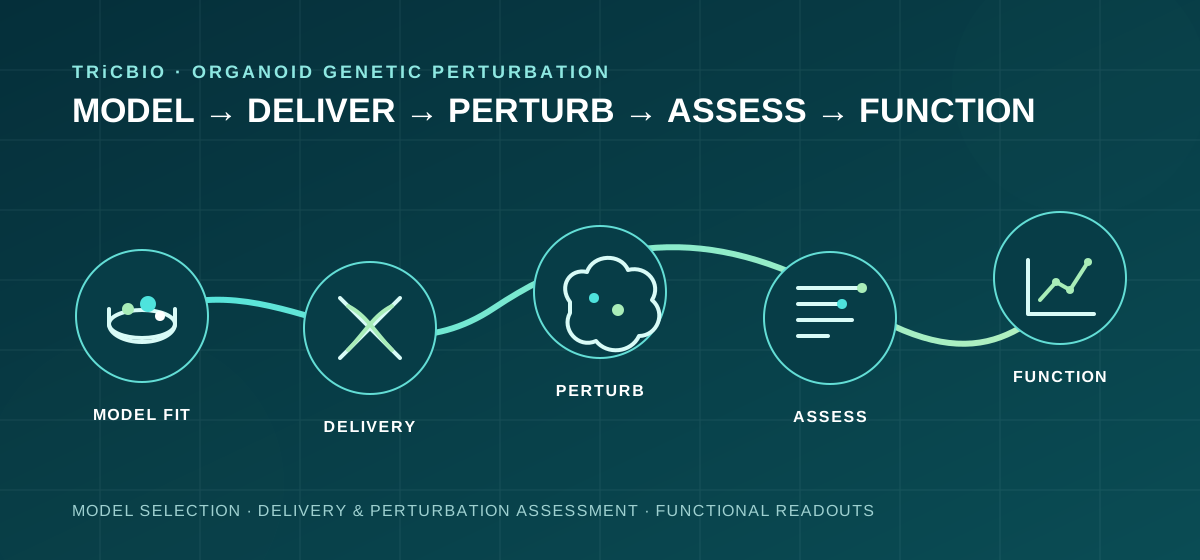
The map shows the gene-delivery and perturbation workflow. Therapeutic-cell studies use a tailored co-culture based on cell type, effector–target context and tissue response; both approaches can extend into functional, mechanistic and safety assays.
STUDY IMAGES
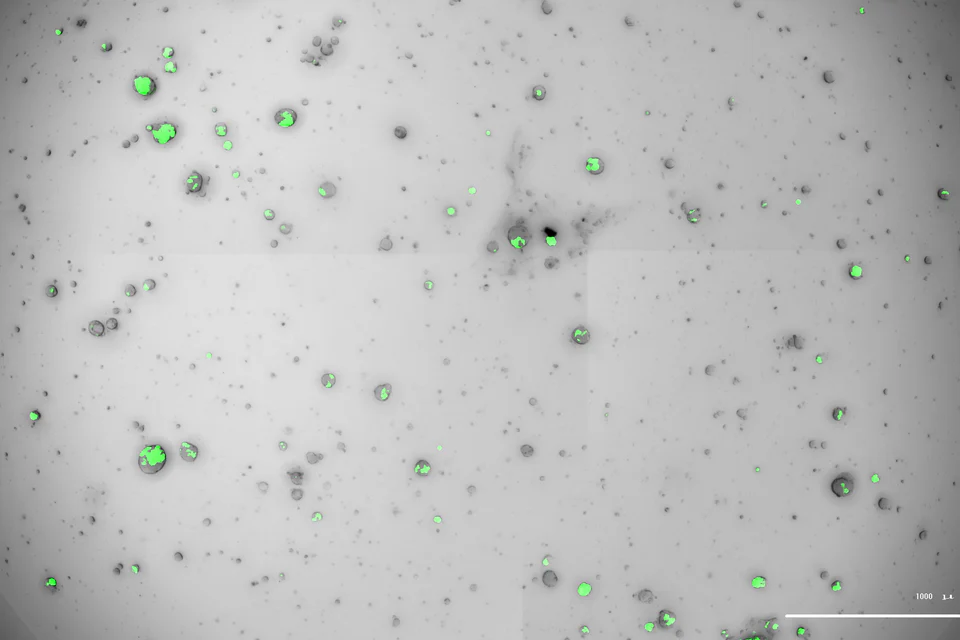
Lentiviral delivery and expression in HCC organoids
Day-3 bright-field and fluorescence images show lentiviral expression under control and lncRNA shRNA conditions, with molecular, phenotypic and treatment-response assays available for follow-on studies.
 View image
Bright-field and green-fluorescence overlay showing organoid morphology and expression in the control condition.
Study results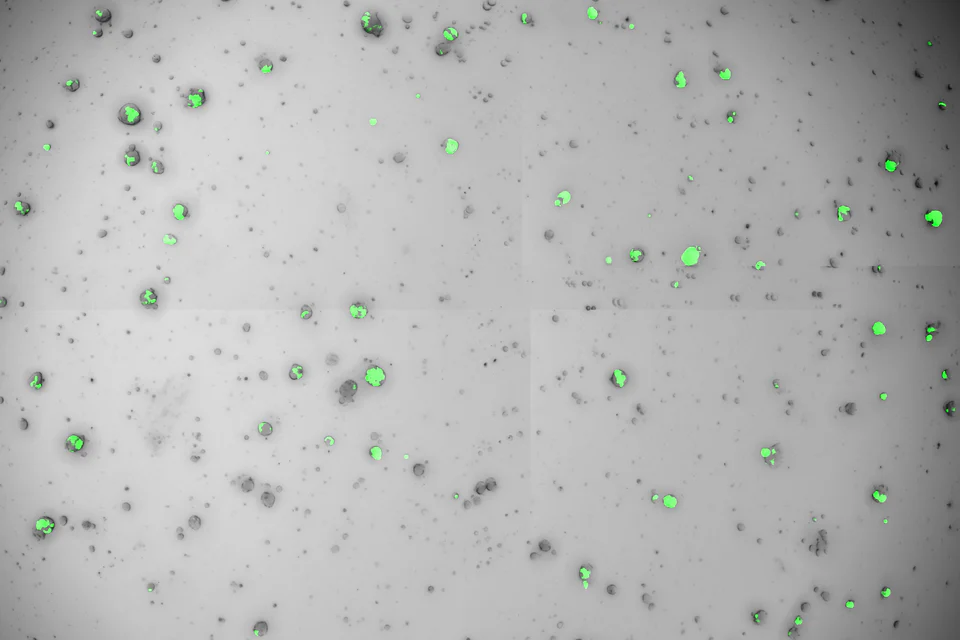 View image
Organoid morphology and expression at the same time point, shown alongside the control condition.
Study resultsStudy focus
What this study can help you decide
- 01Is the target model suitable for the proposed delivery or genetic perturbation?
- 02What functional phenotype does the intervention produce?
- 03When should organ-safety readouts be added?
Study workflow
How the study moves from question to results
Vector, cell and model setup
Define vector or cell format, target cell, model integrity and key assay endpoints.
Delivery and expression assessment
Assess entry, expression, perturbation performance and model tolerance under defined conditions.
Function and mechanism
After establishing delivery and perturbation performance, assess the intended phenotype, pathway and durability.
Safety and sample expansion
Add normal-tissue, inflammatory or off-target readouts around the mechanism, then plan work in additional samples.
Model options
Match the model to indication, mechanism and sample
Co-development aligns delivery, perturbation performance, model QC and functional endpoints, then extends the results into mechanism or safety studies.
PROJECT DISCUSSION
Plan a cell or gene therapy study
Vector or cell format, target tissue and intended functional phenotype guide model selection, perturbation assessment and safety readouts.