
Solutions & R&D services
Disease models for collaborative research
Use established IBD assay methods or tailor ADPKD, blood–brain barrier and other disease models for mechanistic research and scientific collaboration.
Discovery research
Discovery & validation
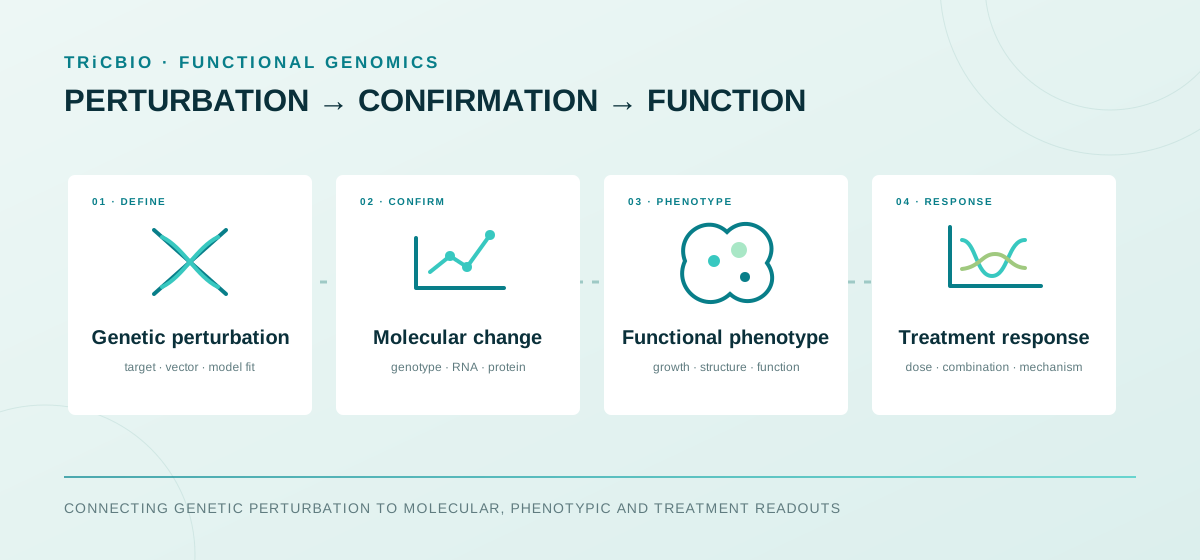
Test whether genetic or pharmacologic target perturbation produces the expected phenotype and pathway changes in a relevant human organoid model.
 01
01Target validation & mechanism studies
Determine how target modulation changes disease-relevant phenotypes, molecular pathways and treatment response in human organoid models.
↗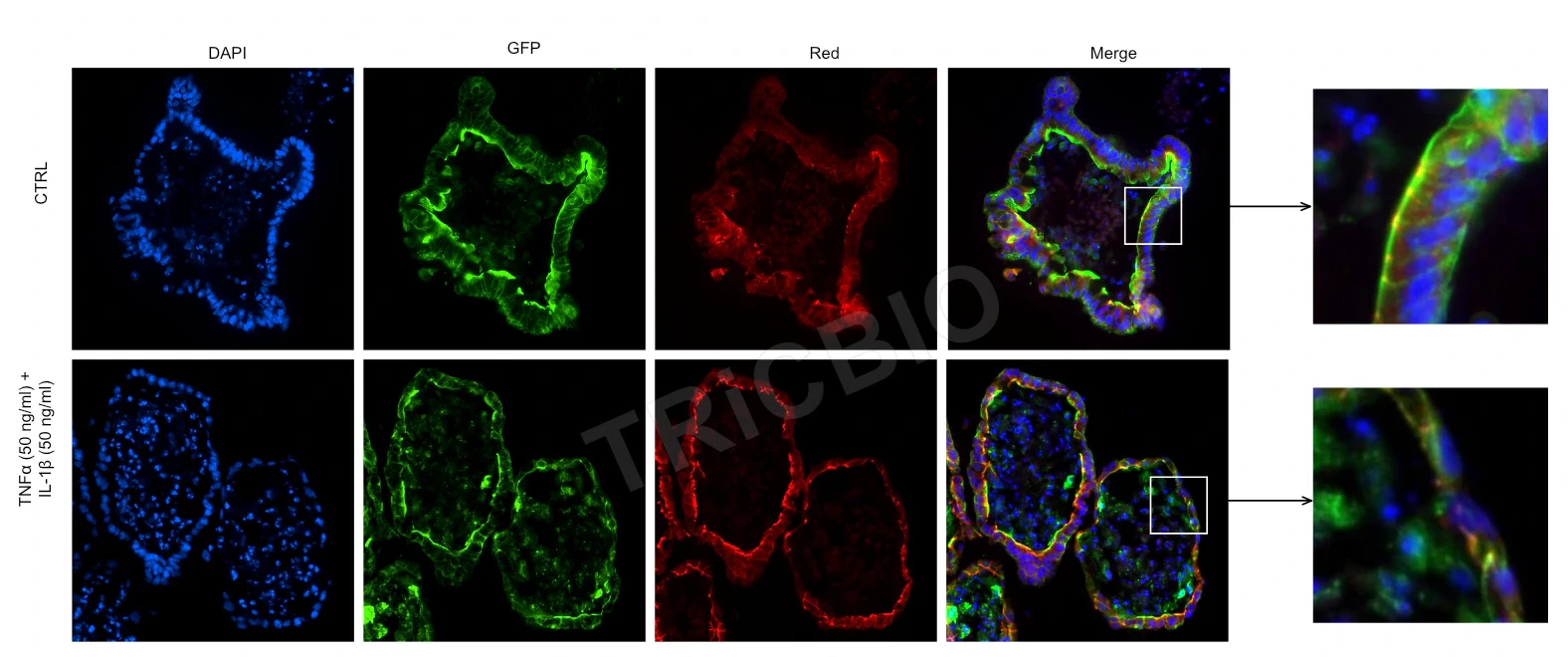 Mouse intestinal organoid · barrier methods02
Mechanism & biomarkers
Relate tissue, functional and molecular changes to the observed phenotype and identify response-associated biomarker candidates for further validation.
↗ 03
03Custom model development
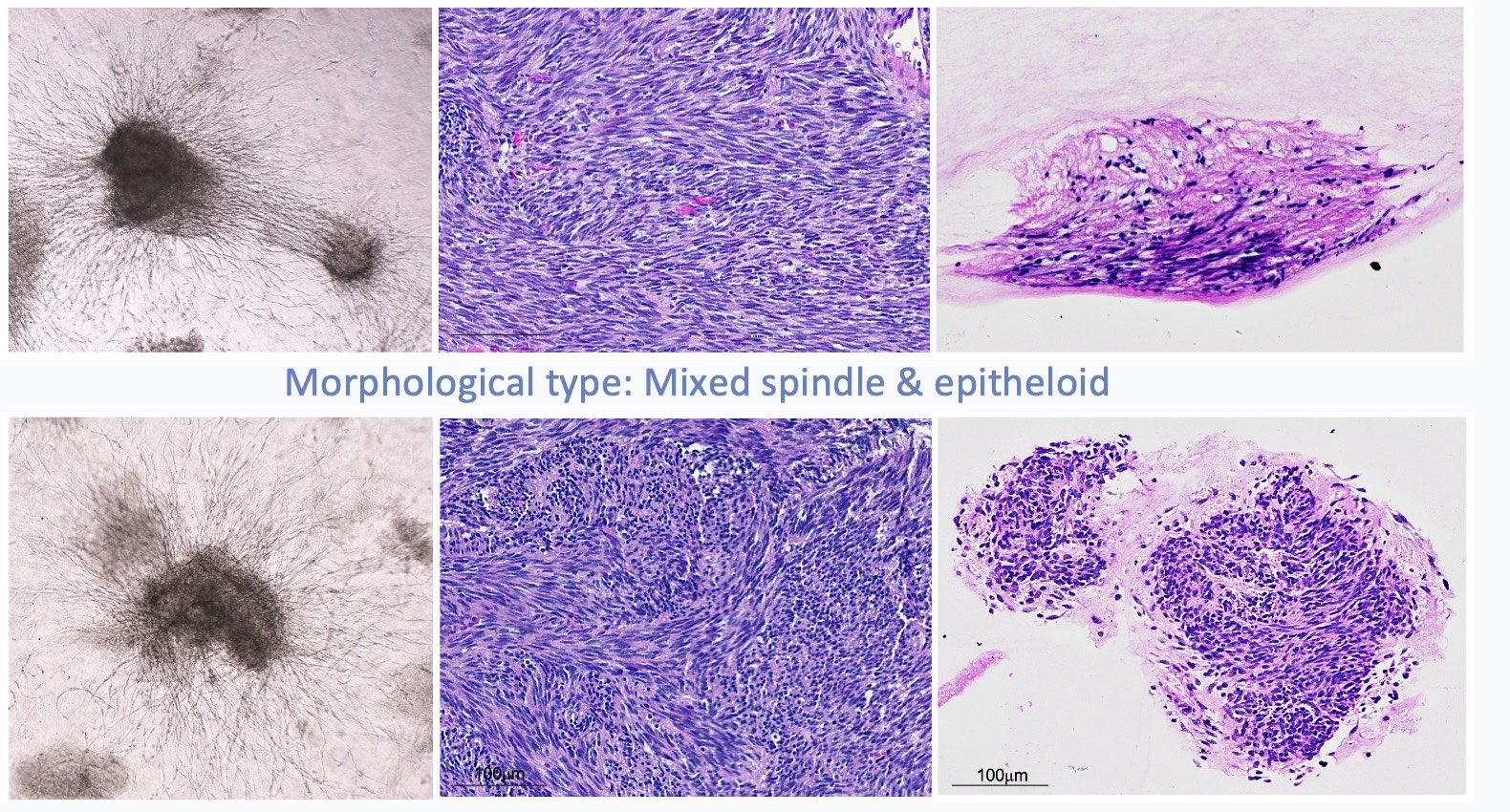
Develop a model and assay plan for specialized tissues, rare diseases or complex co-cultures, starting from the samples and endpoints available to your program.
↗Safety & drug delivery
Safety & drug delivery
Assess organ injury and exposure-dependent response windows, then develop barrier-permeability or candidate-transport assays for the relevant tissue system.
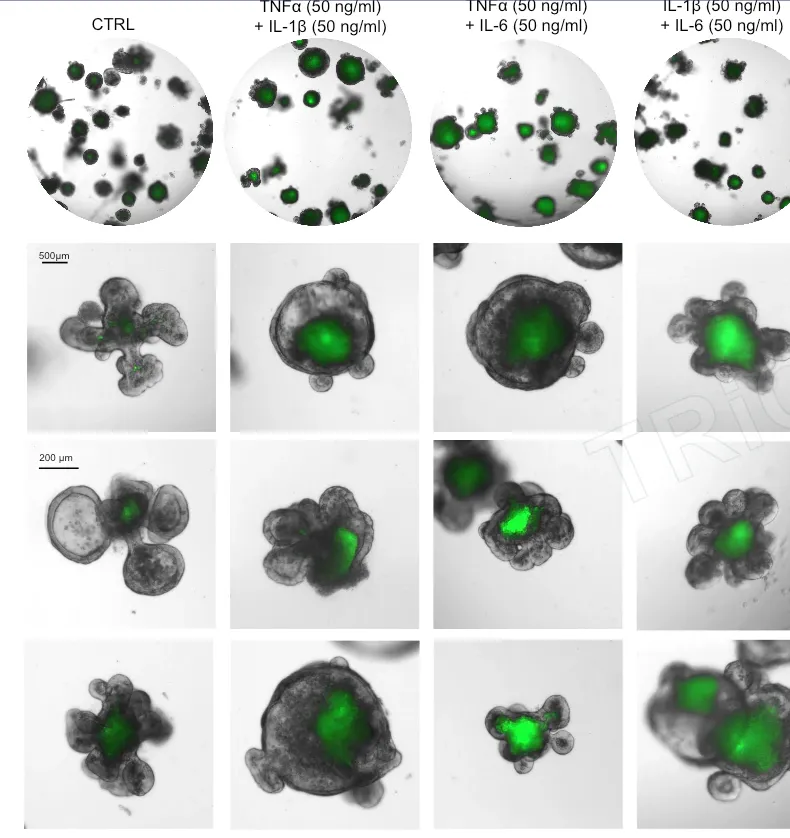 Mouse intestinal organoid · barrier methods
DISEASE MODELS
Disease models for collaborative research
Start with inflammatory barrier biology, inherited kidney disease or neurovascular-barrier questions, then use model characterization to guide mechanism studies, method development or custom conditions.
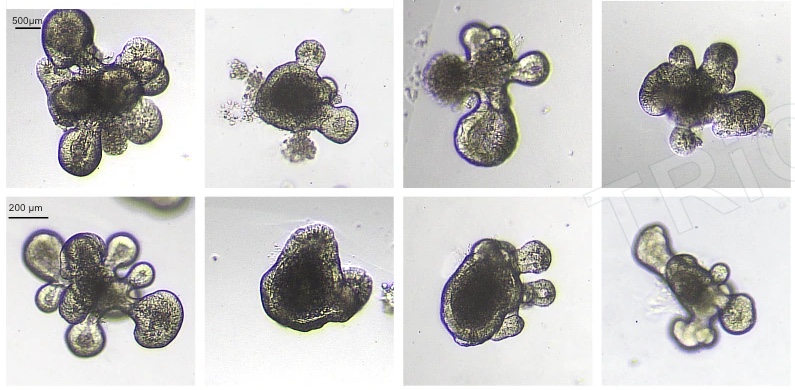
IBD inflammation and barrier organoid model
For inflammatory bowel disease (IBD), established inflammation and barrier assays in mouse intestinal organoids support candidate comparison across morphology, permeability, viability and F-actin/ZO-1; we tailor a human study to the sample and program goal.
↗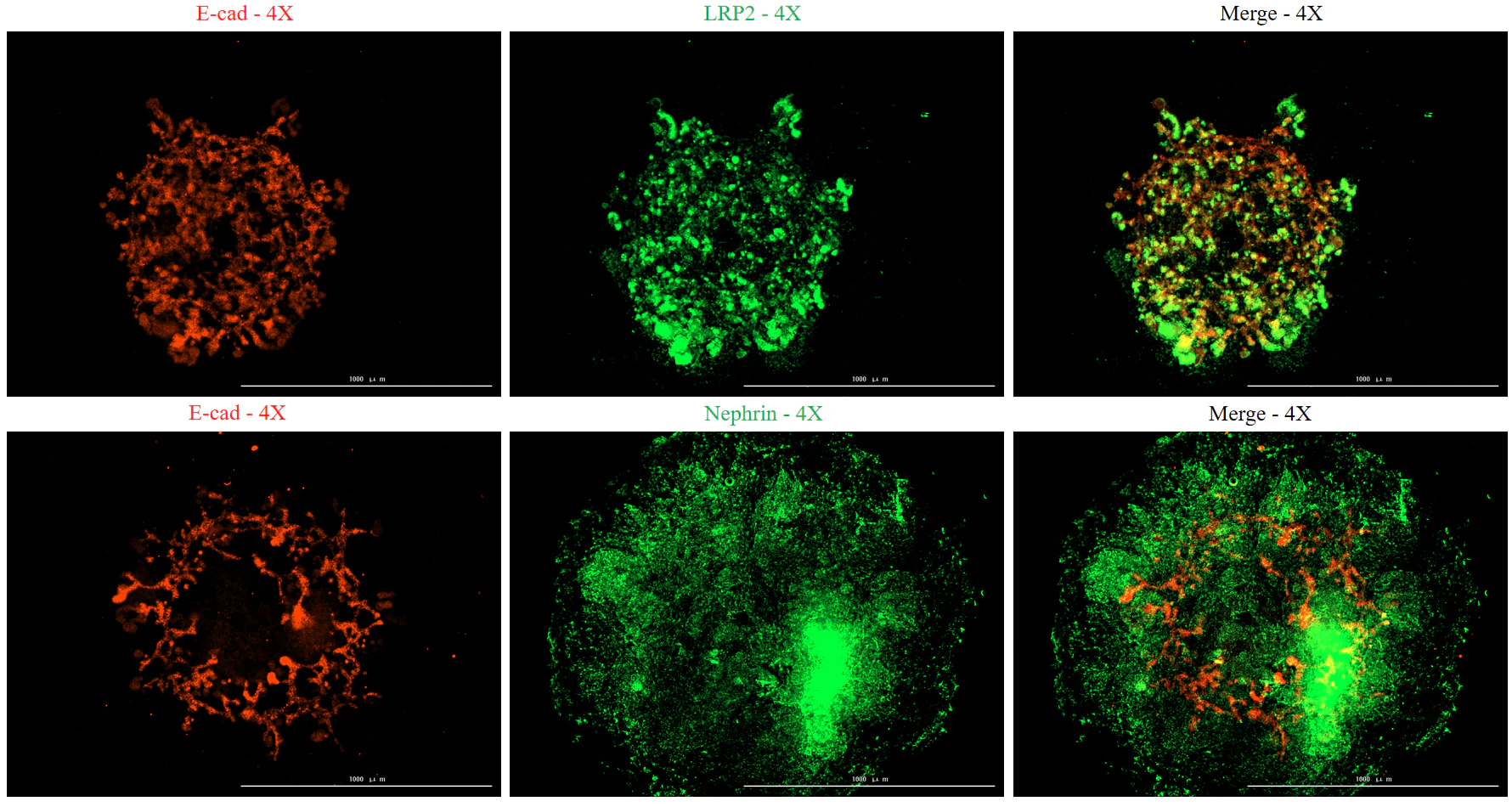
Tailored ADPKD organoid cyst-phenotype studies
For autosomal dominant polycystic kidney disease (ADPKD), characterized hPSC-derived kidney organoids provide the starting point for cyst phenotypes, PKD-related assays, candidate-intervention conditions, QC and deliverables.
↗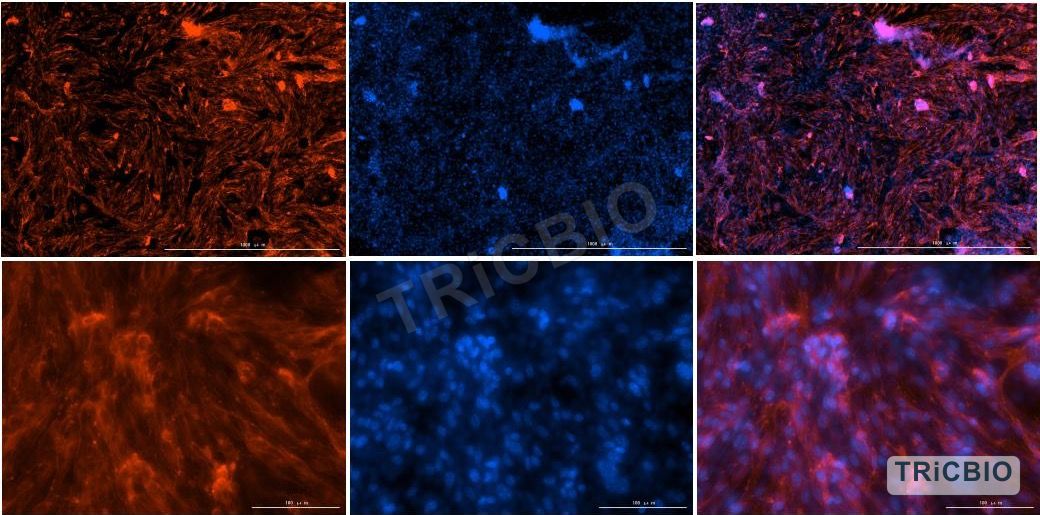
BBB co-culture & permeability methods
Build on HUVEC–astrocyte co-culture and ZO-1 junction imaging, with permeability, candidate-response and transport assays configured for the program.
↗Share your study hypothesis, available samples and priority endpoints; our scientists will recommend a suitable model and collaboration approach.
Tell us about your candidate, sample context and program priorities; our scientists will recommend the model, assay panel and study plan.